Market Overview
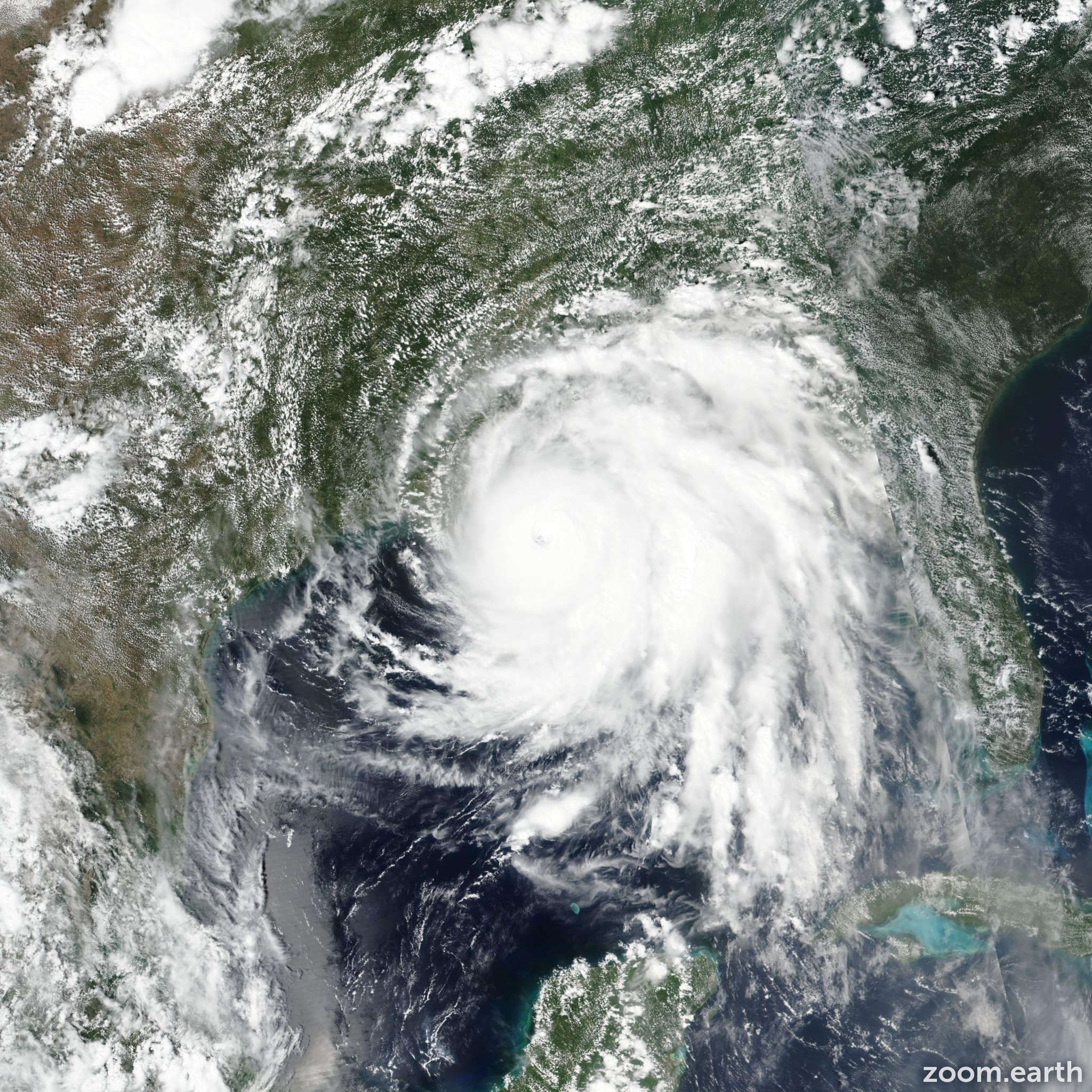
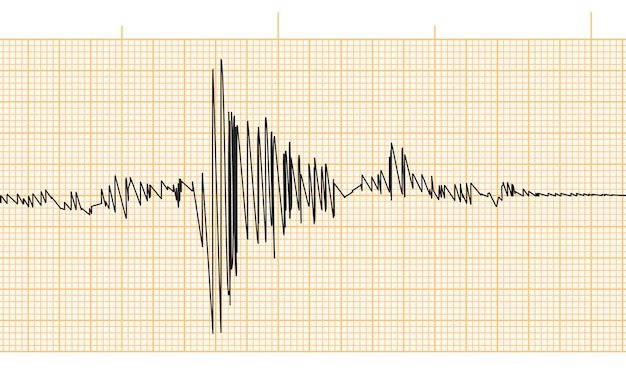
Prediction market participants are currently valuing the likelihood of a major natural disaster occurring during 2026 at 27%, suggesting odds of approximately 1 in 3.7 that at least one qualifying event will occur. The market, which has shown price stability over the past day with $215,647 in trading volume, encompasses four distinct catastrophic scenarios: a Category 5 hurricane making US landfall, a meteor strike of 10 kilotons or larger, a volcanic eruption rated VEI 6 or higher on the Volcanic Explosivity Index, and an earthquake measuring 8.5 or greater on the moment magnitude scale. The relatively modest trading volume suggests this remains a niche market, reflecting the specialized nature of extreme natural disaster prediction.
Why It Matters
Natural disasters of the magnitude specified carry profound implications for insurance markets, disaster preparedness policy, and scientific understanding of extreme events. The 27% valuation effectively represents the market's assessment that such events are sufficiently probable to warrant serious consideration, yet sufficiently rare that the median outcome remains \"no major disaster.\" This probability level is calibrated against historical frequency data and scientific consensus on event recurrence intervals. For policymakers and risk managers, the market price provides a quantified baseline for how professional forecasters weight existential and near-catastrophic natural hazards.
Key Factors Driving the Probability
The 27% figure reflects several competing considerations. Historical records indicate that Category 5 hurricane landfalls in the US occur roughly once per decade on average, suggesting an annual probability around 10%. Major earthquakes exceeding 8.5 magnitude occur globally approximately every 5-10 years, translating to roughly 10-20% annual probability. Supervolcanic eruptions (VEI 6+) are far rarer, with roughly one per century on average, implying less than 1% annual probability. Significant meteor impacts in the specified size range occur even less frequently in recorded history. The aggregate 27% probability thus reflects a weighted combination of these independent risks, though the exact methodology underlying the market's calculation remains implicit in price discovery.
Outlook
Price movement in this market will likely remain subdued absent new scientific information about imminent natural hazards. Developments that could shift the probability upward include increased seismic activity in major fault zones, rising atmospheric dust consistent with meteor impacts, or volcanic precursors at known supervolcanic sites. Conversely, market reassessment downward could occur if 2026 approaches without triggering events, or if scientific understanding of historical recurrence rates is revised downward. The market's stability at 27% through February 2027 will ultimately depend on whether any qualifying event materializes—a binary outcome that underscores the inherent difficulty in forecasting rare but consequential phenomena.