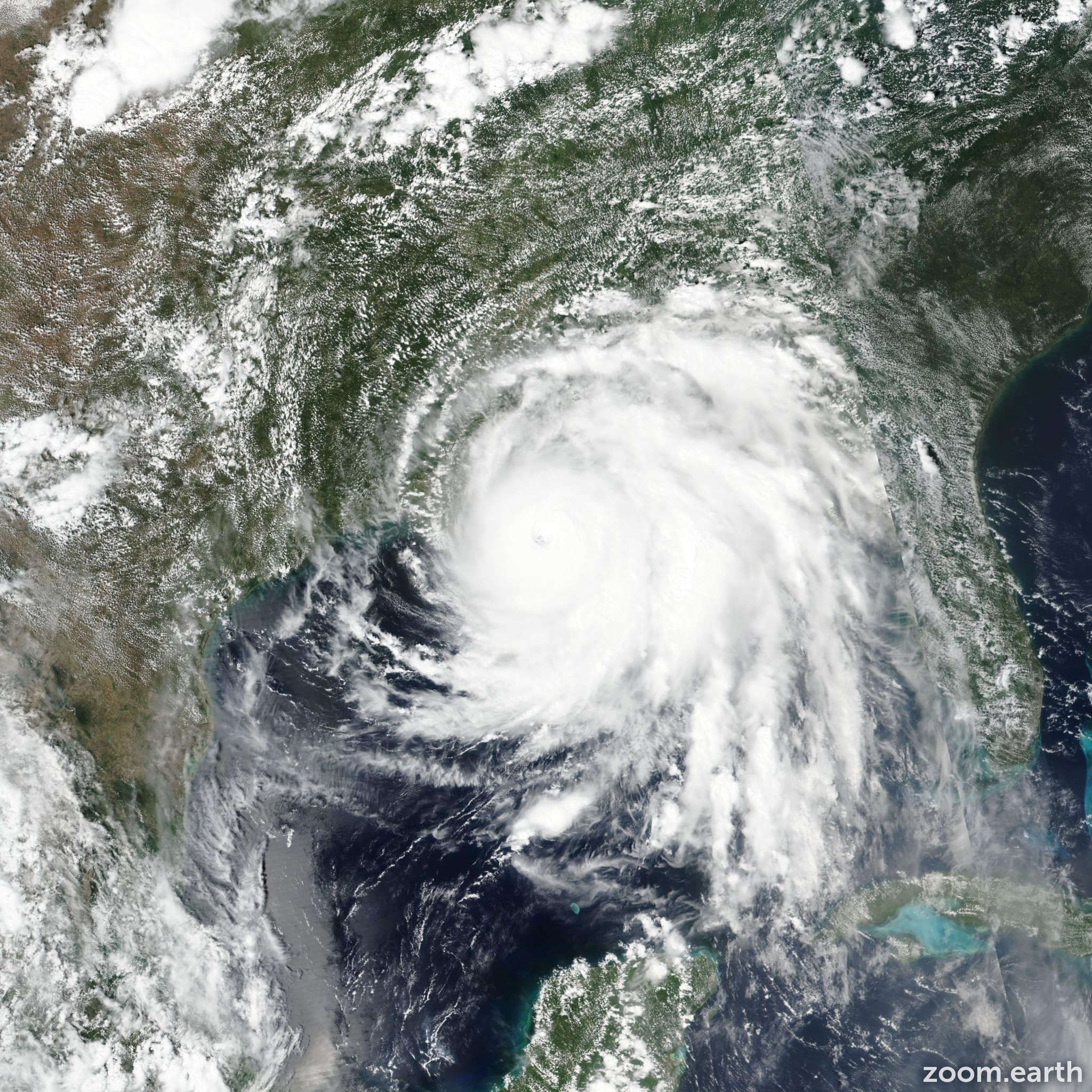
Market Overview
Prediction market participants have priced the likelihood of a Category 4 hurricane striking the continental United States through December 2026 at 35%, with stable positioning over the past 24 hours and substantial trading volume of $326,300. The market focuses specifically on storms with maximum sustained winds between 130 and 156 mph, excluding Category 5 hurricanes, and applies the National Hurricane Center's official landfall designation as the resolution criterion.
Why It Matters
Category 4 hurricanes represent a critical threshold in storm severity, capable of causing catastrophic damage to infrastructure, economies, and communities. Understanding the probabilistic likelihood of such events informs insurance pricing, disaster preparedness planning, and coastal real estate valuations. A 35% probability over a roughly two-year window reflects meaningful but not overwhelming risk, suggesting traders view such landfalls as notable but comparatively rare occurrences relative to overall hurricane activity.
Key Factors Driving the Probability
Historical data provides the foundation for market pricing. The United States averages roughly one to two Category 4 or stronger hurricanes per decade, though landfalls specifically are less frequent. The Atlantic hurricane season spans June through November annually, with peak activity in August and September. Current market assessment of 35% implies traders expect approximately a one-in-three chance across two full hurricane seasons (2024 and 2025) plus the shortened 2026 season. Sea surface temperatures, atmospheric conditions, and the Atlantic Multidecadal Oscillation influence hurricane intensity and frequency, though seasonal predictability remains limited beyond broad climatological patterns.
Outlook
Market movements will likely respond to real-time developments, particularly as the 2024 and 2025 Atlantic hurricane seasons unfold. Any significant hurricane activity, especially storms that intensify rapidly or threaten the Gulf Coast or southeastern seaboard, could shift pricing if they approach Category 4 strength. Conversely, relatively quiet seasons would gradually increase the probability of resolution to \"No\" through simple statistical attrition. The market's current stability suggests traders view 35% as a reasonable equilibrium reflecting neither unusual confidence nor pessimism about near-term hurricane risk.