Market Overview
The prediction market on a potential military strike against Isfahan Nuclear Technology Center—Iran's key nuclear research facility—is priced at 100% probability, indicating near-complete market certainty that kinetic military action will occur before March 31, 2026. The market has maintained this level over the past 24 hours and has accumulated substantial trading volume of approximately $1.37 million, reflecting active participation despite the unanimously bearish pricing.
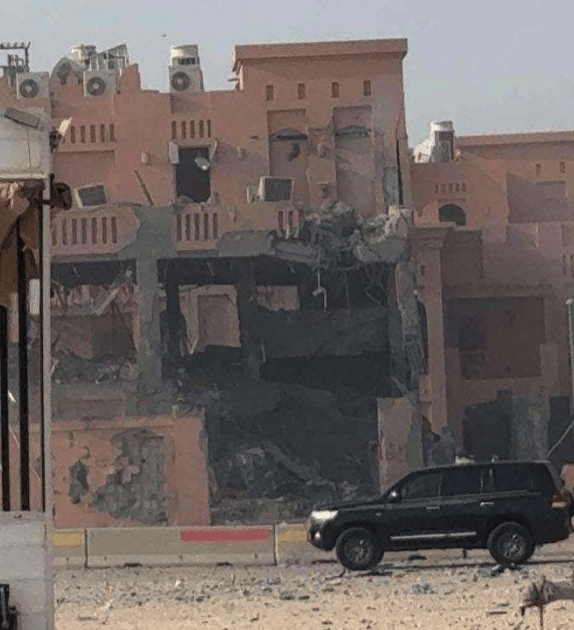
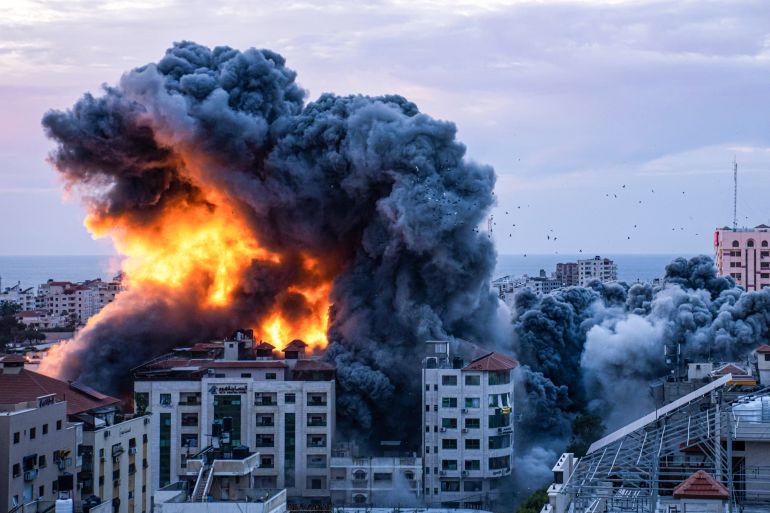
The market specifically covers drone strikes, missile attacks, aerial bombardment, and kinetic ground operations by either U.S. or Israeli forces, while excluding cyber operations, sanctions, and diplomatic measures. Notably, the resolution criteria require successful strikes—intercepted or missed attacks do not qualify, setting a higher bar for market confirmation.
Why It Matters
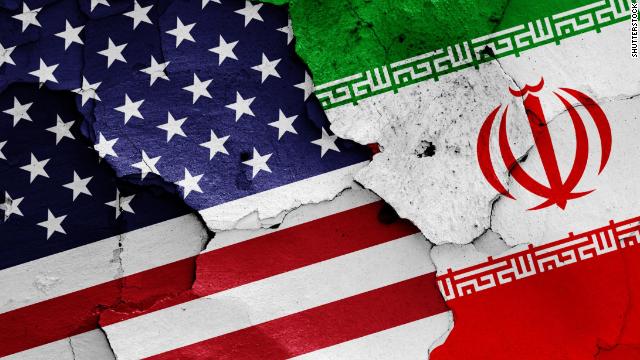
The Isfahan Nuclear Technology Center represents a critical node in Iran's nuclear infrastructure, making it a focal point in ongoing disputes between Iran and Western powers over nuclear proliferation concerns. A strike on this facility would constitute a major geopolitical escalation with potential implications for regional stability, energy markets, and broader U.S.-Iran relations. The market's assessment reflects elevated threat perceptions among traders regarding near-term military action in the Middle East.
Key Factors
Several elements appear to be driving the 100% probability reading. First, the timeframe is relatively short—approximately 15 months from typical market creation dates—which compresses the window for potential action and may amplify perceived likelihood. Second, historical precedent exists for both Israeli strikes on nuclear facilities (notably the 1981 Osirak reactor bombing in Iraq) and recent escalations in U.S.-Iran tensions, including targeted strikes and assassination operations. Third, ongoing discussions around Iran's nuclear program advancement and international inspections create persistent underlying tension.
However, the absolute certainty priced into the market warrants scrutiny. A 100% probability suggests traders believe military action is not merely likely but essentially guaranteed within the period—an unusually high confidence level that leaves no room for alternative outcomes such as diplomatic breakthroughs, de-escalation, continued status quo, or shift in U.S. policy priorities.
Outlook
The market pricing reflects heightened geopolitical risk assessment, though the unanimity of the 100% reading suggests it may not fully incorporate base rates of non-escalation or the substantial uncertainty inherent in predicting specific military operations. Future developments that could shift probabilities include major diplomatic initiatives, changes in U.S. administration priorities, Iranian actions that reduce perceived nuclear threat, or international pressure favoring diplomatic channels over military options. Conversely, evidence of Iranian nuclear weapons advancement or regional provocations could reinforce current market positioning. Traders should monitor official statements from U.S. and Israeli leadership, IAEA nuclear inspections reports, and broader Middle East security developments as potential market movers.