What Happened
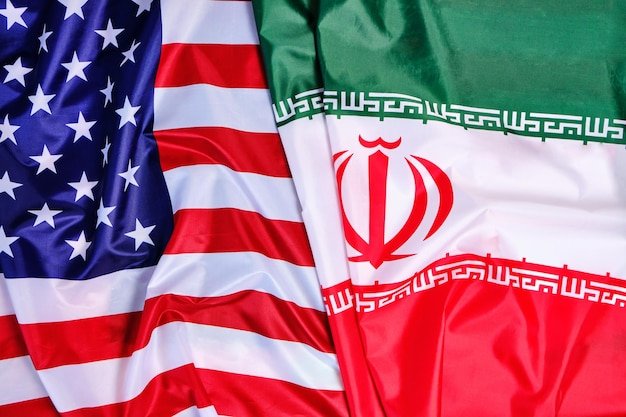
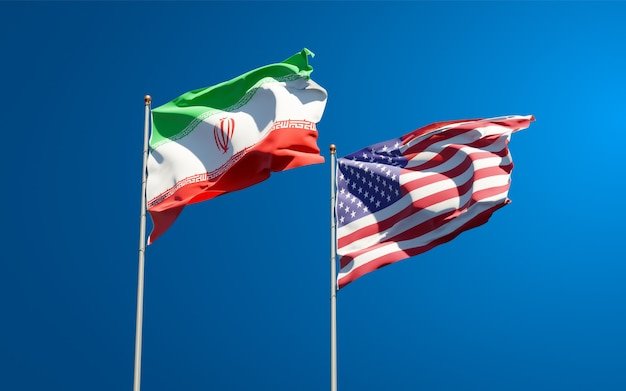
A prediction market assessing the probability of a deliberate in-person diplomatic meeting between US and Iranian representatives by May 15, 2026, saw its price surge from 17.5% to 34.5% in recent trading. The nearly 97% increase in implied probability occurred on substantial volume of $1.2 million, indicating significant trader conviction behind the move. The market defines qualifying engagement as official negotiations conducted either directly or through authorized intermediaries, requiring public acknowledgment from either government or corroboration by multiple credible news sources.
Why It Matters
The sharp repricing reflects trader assessment that the probability of diplomatic engagement has roughly doubled, suggesting material shifts in perceived geopolitical conditions or policy directions. This metric serves as a barometer of market participants' expectations regarding US-Iran relations, a relationship that has oscillated between direct engagement and hostile posturing over the past two decades. The timing and magnitude of the move point to recent developments that have altered the calculus around diplomatic viability, whether through statements from Trump administration officials, signals from Iranian leadership, or other geopolitical developments.
Market Context
Prediction markets have historically demonstrated forecasting accuracy on geopolitical outcomes when sufficient volume and information aggregation occur. The $1.2 million in trading volume indicates meaningful participation and liquidity in this specific contract. Related market tags reference Trump administration policy, recent Iran ceasefire discussions, and notable figures such as JD Vance, suggesting recent news developments in these areas have informed trader positioning. The extended timeline to May 2026 allows for substantial policy evolution and changed circumstances.
Outlook
The revised pricing now suggests traders estimate better-than-one-in-three odds of diplomatic contact occurring within the specified window. Whether this price movement proves prescient depends on subsequent policy signals, public statements from both governments, and evolving regional security dynamics. The market will likely remain sensitive to Trump administration statements regarding Iran policy, any Iranian diplomatic overtures, and developments in broader Middle East tensions that could either facilitate or obstruct direct engagement.