Market Overview
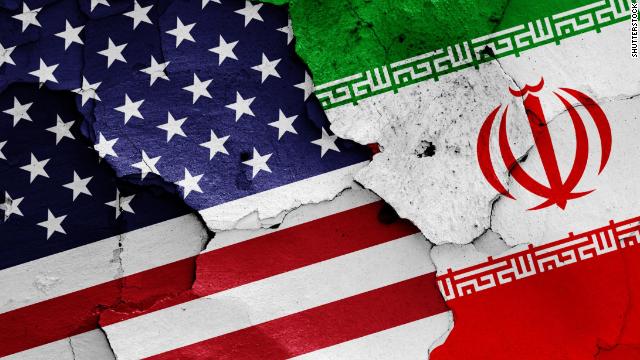
A prediction market focused on potential kinetic military strikes against Iran's Isfahan Nuclear Technology Center is trading at 100% probability, indicating traders believe such an attack is virtually certain to occur by March 31, 2026. The market has generated $1.37 million in volume, yet maintains its extreme probability despite significant geopolitical volatility in the Middle East over recent months. This perfect certainty in a market with genuine binary outcomes warrants scrutiny of both the underlying mechanics and the assumptions driving trader behavior.
Why It Matters
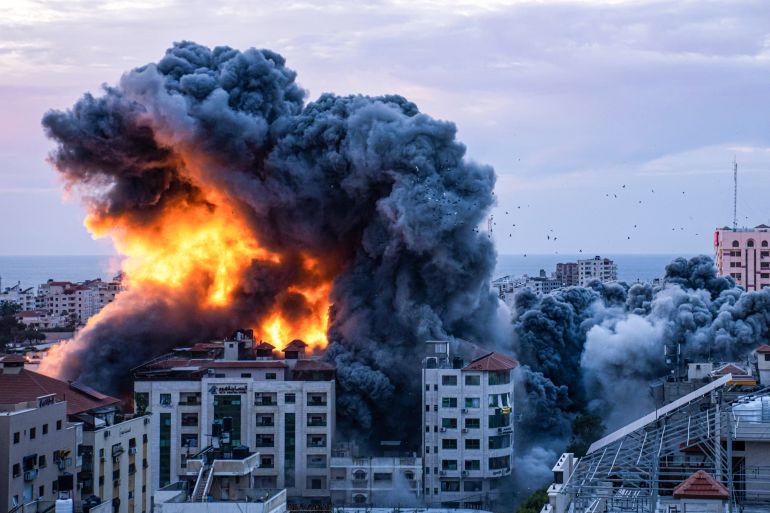
The Isfahan facility, part of Iran's nuclear research infrastructure, has been a recurring focal point in discussions of Israeli and US military options regarding Iran's nuclear program. Any kinetic strike against Iranian nuclear facilities would represent a major escalation with substantial regional and global implications. The market's pricing thus functions as a real-money gauge of expert and informed-trader expectations regarding military action—though the 100% probability suggests either a data anomaly, an issue with market structure, or an interpretation challenge rather than genuine trader consensus.
Key Factors
The extreme probability likely reflects several considerations. First, historical precedent matters: Israel conducted the 1981 Osirak strike in Iraq and has repeatedly discussed options for Iran. Second, recent geopolitical tensions in the Middle East, including intermittent Israeli-Iranian exchanges, keep military scenarios in play. Third, the market's resolution criteria specifically exclude cyber attacks, sanctions, and diplomatic actions, meaning only successful kinetic strikes count—a narrow definition that could create technical trading dynamics. Fourth, prediction markets sometimes experience liquidity or definition issues that push odds toward extremes, particularly on lower-volume contracts or when trader bases are concentrated.
Outlook
For the 100% probability to persist, traders must believe military action is not merely likely but essentially inevitable within 16 months. This appears inconsistent with prevailing diplomatic channels and the absence of formal declarations of intent. More probable is that the market reflects either incomplete information dissemination among traders, a structural issue with how odds are calculated or displayed, or a concentration of bullish positions that has pushed prices beyond fundamental levels. Developments including diplomatic breakthroughs, changes in US administration policy, or demonstrated Iranian compliance on nuclear matters could potentially shift this market significantly—though such shifts would require the resolution criteria to be clarified and trader positions to rebalance. Observers should treat the 100% reading with caution and monitor actual trading activity, bid-ask spreads, and resolution discussions for more reliable signals of true market expectations.