Market Overview
Prediction markets are assessing the likelihood of a leadership transition in Iran within the next several months at roughly 1 in 30 odds. The current probability of 3.5% represents a modest decline from 4.7% the previous day, suggesting slightly reduced near-term transition expectations. With over $4.2 million in volume, the market reflects substantial trader interest in this high-stakes geopolitical question, though the low probability indicates broad confidence in regime continuity through the April 30 deadline.
Why It Matters
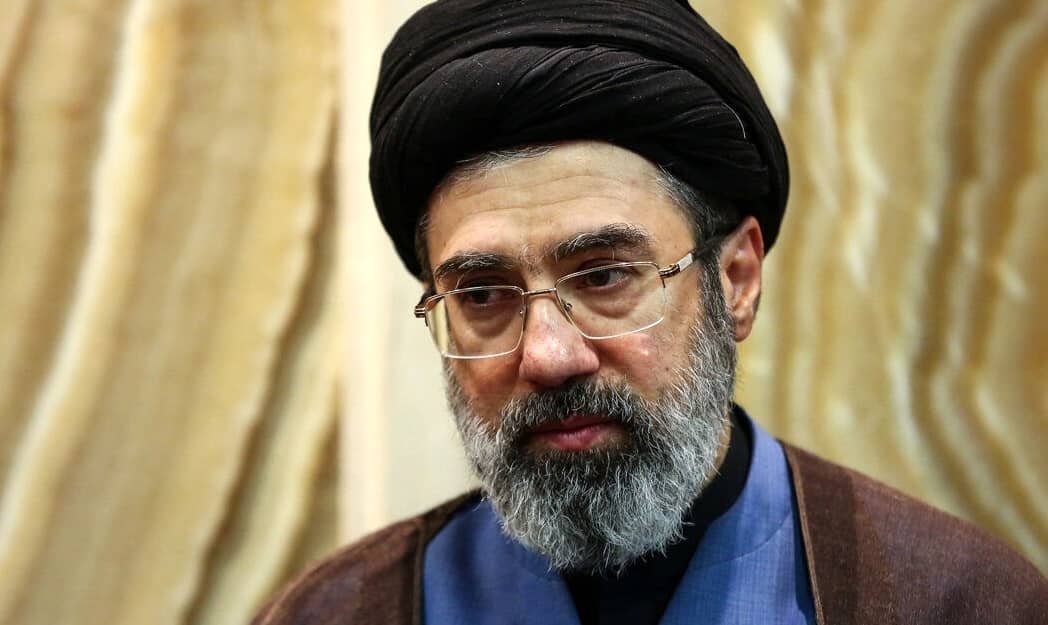
Mojtaba Khamenei, the son of longtime Supreme Leader Ayatollah Ali Khamenei, has emerged as the presumed heir apparent to Iran's top leadership position. Any change in his status as de facto leader would signal a significant rupture in Iran's political structure and succession planning. The market's resolution criteria cast a wide net—capturing removal from power, detention, loss of position, or any condition preventing him from exercising leadership—meaning even partial disruptions could trigger a \"Yes\" resolution. For investors and observers, this market serves as a barometer of perceived regime stability and succession security.
Key Factors
The low probability reflects several structural realities: Iran's Supreme Leader position has demonstrated remarkable continuity, with only two individuals holding it since the 1979 revolution. The current Supreme Leader, Ayatollah Ali Khamenei, has consolidated significant control over security forces and state institutions, creating substantial barriers to sudden leadership change. Additionally, the short timeframe of less than five months from typical market creation dates limits the window for major political upheaval. While Iran faces ongoing internal pressures including economic challenges, regional military tensions, and periodic civil unrest, these have not historically translated into swift top-level succession. However, the 3.5% probability does embed meaningful uncertainty—acknowledging that sudden political crises, health emergencies, or security ruptures remain possible, even if improbable in this compressed timeframe.
Outlook
Market probability could shift meaningfully in response to several developments: a significant health crisis affecting Mojtaba Khamenei, major institutional conflict within Iran's power structure, or escalating international military confrontation that destabilizes the regime. Conversely, evidence of consolidated succession planning or strengthened institutional positions would likely push odds even lower. Traders will likely monitor reporting from credible sources on Iranian power dynamics closely, as the market's resolution depends on consensus assessment rather than official announcement alone. The relatively modest trading activity compared to some geopolitical markets suggests this question may appeal primarily to specialized investors with deep Iran expertise.