Market Overview
The 2026 pandemic question is trading at 9% implied probability, with modest volume of $244,034 across the contract. The flat price action over the past 24 hours indicates stable sentiment with no recent catalyst driving significant repricing. This low single-digit probability reflects trader consensus that another major pandemic declaration is improbable in the near term, though the non-zero odds acknowledge baseline epidemiological risk.
Why It Matters
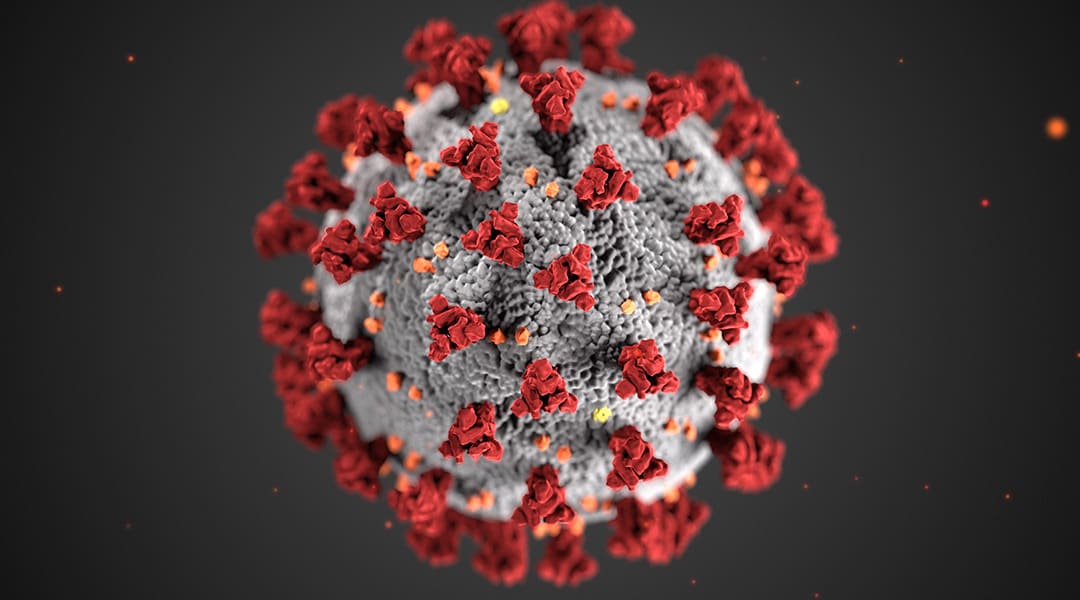
Pandemic risk carries outsized importance for public health planning, pharmaceutical investment, and macroeconomic forecasting. The WHO's pandemic declarations trigger coordinated international responses, emergency protocols, and potential economic disruption. A 9% probability implies traders view the threat as manageable but material—roughly equivalent to rolling a 12-sided die and needing a specific outcome. For investors and policymakers, this probability can inform hedging strategies, vaccine development priorities, and public health preparedness budgets.
Key Factors
Several dynamics underpin the modest probability. First, the baseline rate of pandemic declarations is historically low; the WHO has declared five pandemics since 2009 (H1N1, MERS, Ebola, Zika, and COVID-19), suggesting roughly one every 2-3 years when accounting for non-declarations of circulating diseases. Second, post-COVID surveillance systems and pathogen monitoring have improved globally, potentially allowing earlier containment of emerging threats. Third, the question's 12-month window is narrower than longer-term risk assessments, reducing cumulative probability. However, seasonal flu, mpox variants, bird influenza (H5N1) persistence, and other respiratory pathogens represent concrete transmission risks that could escalate to pandemic status.
Outlook
The 9% probability could shift materially with concrete developments: detection of novel pathogens with human-to-human transmission, significant outbreaks in multiple continents, or formal WHO pandemic declarations. Conversely, continued containment of circulating threats and absence of novel spillover events could sustain or lower the probability through 2026. Market participants appear to be pricing a \"back to normal\" epidemiological environment relative to the 2020-2023 period, while maintaining reasonable caution about emergence risks.