Market Overview
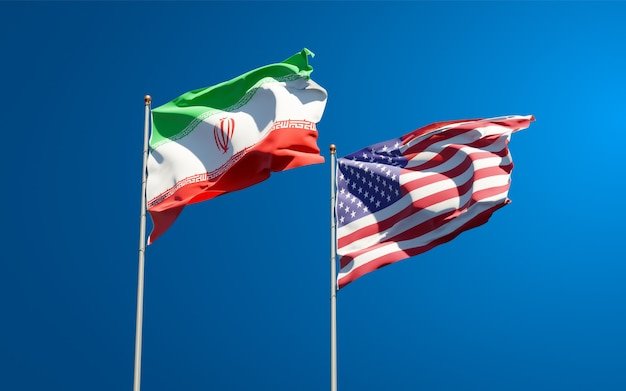
A prediction market tracking the location of the next diplomatic meeting between US and Iranian government representatives has settled at 100% probability for Pakistan, with $519,340 in trading volume. The market, which will resolve by June 30, 2026, asks where the next deliberate, in-person (or authorized indirect) diplomatic session will occur, with multiple outcome options spanning Europe, the Middle East, and other regions. Pakistan's dominance at perfect odds suggests market participants view it as overwhelmingly likely to host the next engagement.
Why It Matters
US-Iran diplomatic meetings remain infrequent and geopolitically significant events. The venue selection carries symbolic weight, as it often reflects which nation is willing to engage and which intermediaries both parties trust. Pakistan has long served as an informal diplomatic channel between Washington and Tehran, given its geographic proximity to Iran, strategic importance to the US, and historical experience managing sensitive bilateral communications. A meeting in Pakistan would signal both parties' preference for a trusted neutral ground, potentially indicating willingness to pursue dialogue despite broader tensions. Understanding where such meetings occur can offer insights into the trajectory of US-Iran relations.
Key Factors
Pakistan's positioning as a reliable diplomatic broker underpins the market's confidence. Islamabad has hosted sensitive US-Iran talks in the past and maintains relationships with both capitals, making it a natural venue for renewed engagement. The market's 100% reading also reflects the specificity of the question: Pakistan is explicitly listed as an option, whereas many other plausible venues (such as Oman, Qatar, or European capitals) would resolve to broader \"Other\" categories, fragmenting alternative outcomes. Additionally, the timeframe—18 months from the current date—is substantial enough for at least one diplomatic meeting to occur, though not so distant as to introduce extreme uncertainty. Current geopolitical conditions, including ongoing nuclear negotiations rhetoric and regional tensions, provide context for why such meetings might be scheduled, though they do not necessarily predict them.
Outlook
The 100% probability assigned to Pakistan should be interpreted cautiously. While it reflects market consensus that Pakistan is the most probable single location, it may overstate certainty given the unpredictable nature of diplomatic scheduling and the potential for US-Iran talks to occur in alternative venues or not at all within the timeframe. If no qualifying meeting takes place by June 30, 2026, the market resolves to \"No Meeting by June 30,\" a scenario the current odds do not price in. Developments that could alter the market's assessment include a significant shift in US-Iran relations (either toward or away from engagement), involvement of alternative mediators, or unexpected geopolitical events. Market watchers should monitor official announcements from both governments and credible media reporting, as the resolution criteria require public acknowledgment by either government or consensus credible reporting.