Market Overview
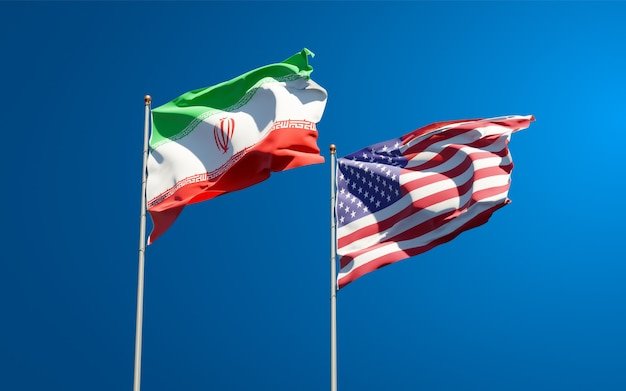
A prediction market asking where the next diplomatic meeting between US and Iranian government representatives will occur has settled on Pakistan as the sole venue with any measurable probability, currently trading at 100%. This represents near-total market certainty that Pakistan will host any qualifying talks that occur by the June 30, 2026 deadline. The market has maintained this price for at least the past day despite $519,340 in trading volume, indicating strong consensus rather than recent conviction shifts.
The resolution criteria are deliberately broad, encompassing in-person meetings conducted directly or through authorized intermediaries, provided they are publicly acknowledged or reported by credible media. Remote communications, chance encounters, and undisclosed talks do not qualify. This framework allows for the type of indirect diplomatic channels historically favored in US-Iran relations.
Why It Matters
The probability assigned to Pakistan reflects market participants' assessment of geopolitical realities: Pakistan has long served as an informal diplomatic bridge between Washington and Tehran, hosting backchannel communications and hosting meetings when direct bilateral talks were not possible. The 100% probability suggests traders believe that if substantive diplomacy resumes, Pakistan remains the most plausible neutral venue given its historical role, geographic proximity to Iran, and established infrastructure for sensitive negotiations.
The current absence of active US-Iran diplomatic engagement makes this market primarily a reflection of contingent expectations rather than response to imminent talks. However, the stakes are significant: any breakthrough in US-Iran relations would carry profound implications for regional stability, sanctions architecture, and Middle Eastern geopolitics.
Key Factors
The dominance of Pakistan in market pricing reflects several structural factors. First, Pakistan has demonstrated willingness to host such meetings and possesses experience managing sensitive US-Iran communications without publicity until resolution-qualifying disclosure occurs. Second, no other single venue has emerged as an obvious alternative; other traditional intermediaries such as Switzerland or Oman face different geopolitical constraints. Third, the market rules' inclusion of indirect meetings conducted through authorized intermediaries specifically accommodates Pakistan's historical role in facilitating backchannel diplomacy.
The categorical dominance of Pakistan at 100% implies traders have assigned effectively zero probability to alternative scenarios: a European venue, another Middle Eastern location, or no meeting occurring by the deadline. This concentration of probability is striking and suggests either high conviction in Pakistan's unique position or uncertainty about whether substantive talks will resume at all—with Pakistan positioned as a default assumption if they do.
Outlook
The market's current state reflects an equilibrium around Pakistan's established diplomatic role absent catalytic developments. Significant shifts would require either concrete indicators of imminent talks at an alternative venue or a substantial reassessment of Pakistan's suitability as a diplomatic host. Geopolitical developments—such as a major shift in US-Iran policy following electoral changes, breakthroughs in nuclear negotiations, or new crises demanding high-level talks—could trigger movement. Conversely, the persistence of current tensions and diplomatic gridlock would likely leave this market unchanged, with Pakistan remaining the default venue should any qualifying meeting occur.