Market Overview
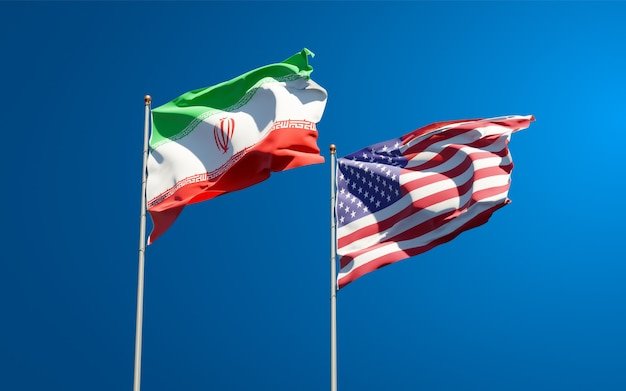
Pakistan is priced at an overwhelming 100% probability as the venue for the next diplomatic meeting between US and Iranian government representatives by June 30, 2026. With $519,340 in volume and consistent odds over the past 24 hours, the market suggests traders view Pakistan as the near-certain location for such talks. This confidence reflects Pakistan's established position as a trusted back-channel facilitator between Washington and Tehran, a role it has maintained across multiple US administrations and Iranian political regimes.
Why It Matters
US-Iran diplomatic engagement carries significant geopolitical implications for regional stability, nuclear negotiations, sanctions policy, and broader Middle Eastern relations. The location of such talks can signal important diplomatic dynamics—whether negotiations occur through back-channels or formal mechanisms, and whether either party is willing to engage in the other's preferred territory. Pakistan's overwhelming probability suggests traders believe it remains the most viable neutral ground for such discussions, given its geographic position, historical precedent in facilitating secret talks, and diplomatic relationships with both powers.
Key Factors
Several factors appear to drive the Pakistan consensus. First, historical precedent: Pakistan has repeatedly served as a discreet diplomatic intermediary, including during the secret talks that preceded the 2015 nuclear deal. Second, geography and neutrality: Pakistan offers a location neither government sees as politically contentious, unlike venues in the Middle East or Europe that might carry symbolic baggage. Third, operational security: Pakistani intelligence services have experience managing sensitive back-channel communications. The market's certainty suggests traders discount the possibility of talks occurring in other listed options (UAE, Oman, Iraq, Turkey, Switzerland, or other regions) or unplanned locations. The high probability also implies confidence that at least one diplomatic meeting will occur within the timeframe, as opposed to the \"No Meeting by June 30\" option.
Outlook
For this market to shift materially, significant developments would be required: a major breakthrough in US-Iran relations prompting high-level formal talks in an alternative venue, a dramatic deterioration foreclosing near-term diplomacy, or an unexpected diplomatic overture from an alternative neutral party. Changes in US or Iranian administrations, escalation in the Middle East, or new nuclear negotiations could alter calculations. However, absent such developments, the market's confidence in Pakistan reflects a structural assessment that it remains the default diplomatic venue for US-Iran engagement given both practical constraints and historical patterns.