Market Overview
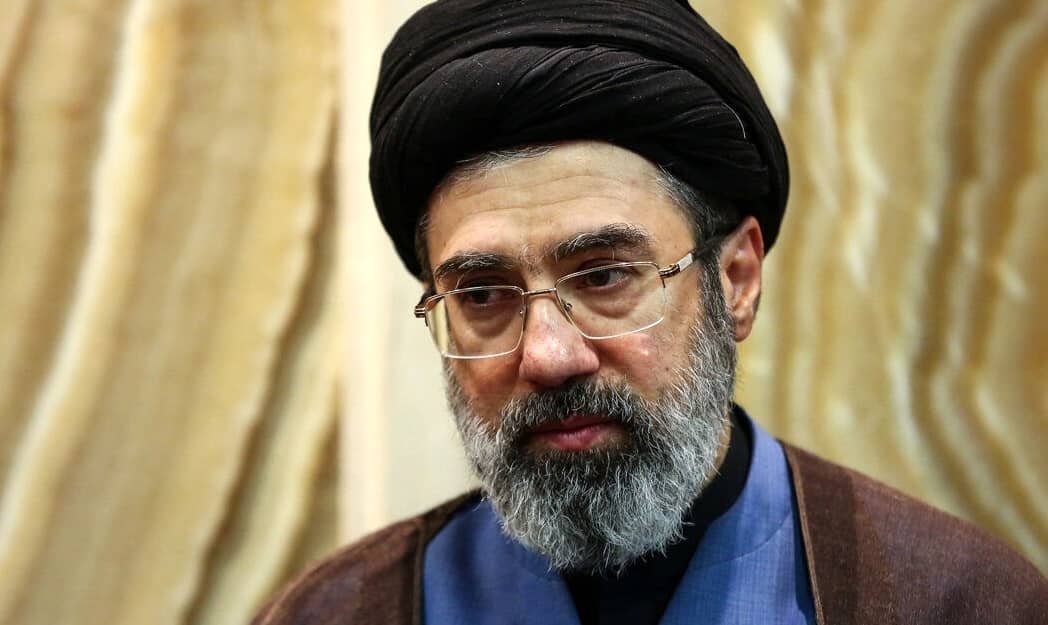
Prediction markets are assigning a 33.5% probability that Mojtaba Khamenei will no longer serve as Iran's de facto leader before the end of 2024, with trading volume exceeding $2 million indicating substantial interest in the outcome. The market treats any cessation of de facto control—whether through removal, detention, resignation, or incapacity—as qualifying for resolution to \"Yes,\" providing a broad definition of leadership change. The stable probability over the past 24 hours suggests the market has already priced in available information about Iran's current political situation.
Why It Matters
Succession in Iran's theocratic system carries geopolitical significance given the country's role in Middle Eastern affairs, nuclear negotiations, and regional proxy activities. Mojtaba Khamenei has been groomed as the presumptive successor to his father, Supreme Leader Ayatollah Ali Khamenei, who is 85 years old. A leadership transition—whether planned or forced—could reshape Iran's domestic and foreign policy, making traders' assessment of transition probability relevant to investors, policymakers, and regional analysts. The 33.5% odds imply meaningful doubt about whether succession will occur within this compressed timeframe of roughly nine months.
Key Factors
The market's assessment appears anchored to several observable conditions: the current Supreme Leader's advanced age and periodically reported health issues, the institutional framework governing succession in Iran's velayat-e faqih system, and the degree of political consolidation Mojtaba Khamenei has achieved within the Revolutionary Guards and other power centers. The two-thirds probability assigned to continuity suggests traders view a full transition by year-end as unlikely, even if plausible. Factors that could accelerate change include sudden health crises, internal power struggles, external pressure, or unforeseen political upheaval, though none of these have materialized at sufficient scale to shift market pricing materially in recent days.
Outlook
The market will likely remain sensitive to health updates regarding the current Supreme Leader, signals about factional support for or against Mojtaba Khamenei's succession, and any unusual political developments in Tehran. Absent dramatic news, the probability may persist near current levels through the remainder of the year, as markets tend to discount abrupt leadership changes in stable authoritarian systems unless specific triggering events emerge. Traders monitoring this market should watch Iranian state media, statements from senior clerics and military figures, and international reporting on succession dynamics for indicators that might shift the currently balanced assessment toward either higher or lower transition odds.