Market Overview
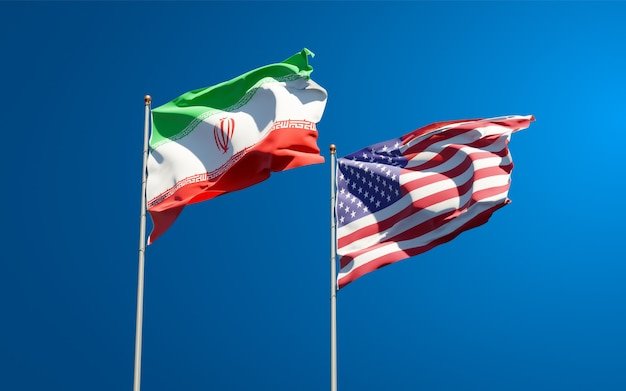
Prediction markets are assigning slightly better-than-even odds—53.5%—to the prospect of a publicly announced nuclear agreement between the United States and Iran by December 31, 2026. The market has maintained this probability over the past 24 hours, suggesting a period of relative stability in expectations. With nearly $862,000 in trading volume, the market reflects meaningful participation and suggests genuine disagreement among traders about the likelihood of a breakthrough.
Why It Matters
A renewed US-Iran nuclear agreement would represent one of the most significant diplomatic developments in Middle Eastern geopolitics in recent years. The original Joint Comprehensive Plan of Action (JCPOA), signed in 2015, collapsed after the United States withdrew in 2018. Any new accord—bilateral or multilateral—would reshape nuclear proliferation risks in the region, influence oil markets, and signal broader shifts in US-Iran relations. The question's 24-month timeframe encompasses the remainder of the current US presidential term and initial months of potential transition, making it a critical benchmark for diplomatic feasibility.
Key Factors
The 53.5% probability reflects competing dynamics. On one hand, diplomatic channels have periodically reopened, including indirect negotiations mediated by third parties. Both sides retain theoretical incentives for a deal: Iran seeks sanctions relief, while the US seeks to constrain nuclear development. The market's positioning above 50% suggests traders view a deal as plausible within the timeframe.
Conversely, substantial obstacles persist. Deep mistrust between the parties, competing regional interests, domestic political constraints on both sides, and disagreements over verification and scope have repeatedly derailed negotiations. Iran's advancing nuclear program since 2018 has narrowed the window for agreement, potentially raising the bar for any new deal. Additionally, the political salience of Iran policy in the United States, where opposition to agreements has traditionally been strong, constrains negotiating flexibility.
Outlook
The market's stability near the 50-50 threshold suggests traders see the outcome as genuinely uncertain rather than favoring either outcome significantly. The two-year window provides time for diplomatic initiatives but remains constrained relative to the historical pace of nuclear negotiations. Developments that could shift odds upward include explicit statements from either government about willingness to negotiate, breakthroughs in indirect talks, or changes in regional tensions that create incentives for de-escalation. Conversely, acceleration of Iran's nuclear program, domestic political shifts that harden positions, or escalatory military incidents could reduce the perceived probability of agreement. The market is likely to remain volatile as diplomatic signals emerge.