Market Overview
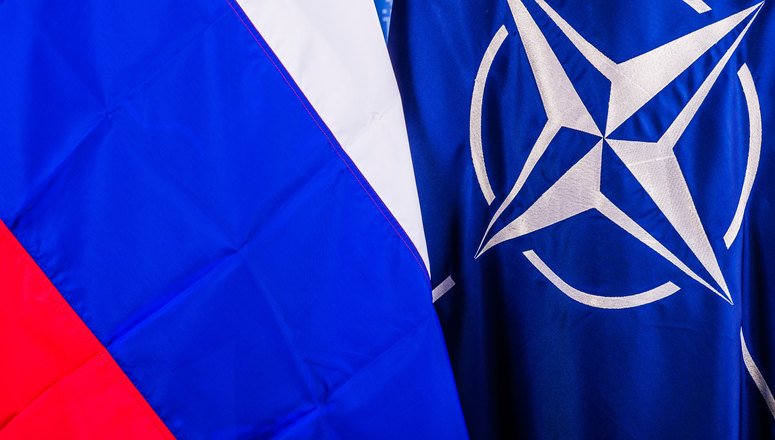
Prediction markets are pricing a 23.5% probability that NATO and Russian military forces will engage in direct combat by December 31, 2026. With over $1.18 million in volume, the market reflects substantive trader interest in assessing the risk of wider military escalation between Russia and the Western alliance. The probability has remained stable over the past 24 hours, indicating a settled consensus rather than reaction to breaking news.
The market's definition of a qualifying event is notably narrow: it requires actual use of force such as missile strikes, artillery fire, or gunfire between NATO and Russian military assets. Passive encounters like airspace violations, warning shots, cyberattacks, and even intentional collisions without weaponry discharge—as occurred with the 2023 Black Sea incident—would not trigger a \"Yes\" resolution. This strict threshold means traders are assessing the probability of substantive, kinetic military conflict rather than provocative but non-lethal incidents.
Why It Matters
The current 23.5% probability sits at a meaningful but not extreme level of risk—traders view direct NATO-Russia warfare as unlikely but material enough to warrant serious consideration. This assessment carries implications for defense spending, NATO force posture decisions, and geopolitical risk calculations by investors and policymakers. A probability in this range suggests markets expect current conflict dynamics to remain largely contained within Ukraine's borders, yet acknowledge realistic pathways to escalation over a two-year window.
Key Factors
Several structural factors appear to be anchoring the probability at this level. The Ukraine war has already generated numerous incidents at NATO's borders—aerial intrusions, drone incursions, and provocative military operations—yet has not crossed into direct NATO-Russia combat for over two years. This established pattern of escalation management appears to be informing trader expectations. Additionally, the extraordinarily high costs and risks of nuclear-armed adversaries engaging in kinetic warfare create powerful mutual incentives for de-escalation even during severe tensions.
Conversely, factors elevating the probability above near-zero include the fluid and unpredictable nature of proxy and hybrid warfare, the risk of miscalculation or accident during high-tempo military operations in contested airspace and waters, and the potential for political decisions to override cost-benefit calculations. NATO's eastward military expansion and deepening involvement in Ukrainian defense (including provision of advanced weaponry and training) create additional friction points. The timeframe through 2026 is substantial enough to encompass potential geopolitical shocks, changes in leadership, or shifts in conflict intensity that could alter escalation dynamics.
Outlook
The stability of this probability over recent periods suggests the market has absorbed currently available information and reached a relatively durable pricing. Developments that could shift the odds upward would include major NATO military deployments closer to Russian territory, significant NATO weapons system losses attributed directly to Russian forces, or escalatory rhetoric from senior leadership. Conversely, progress toward ceasefire agreements, NATO force reductions, or demonstrated success in crisis de-escalation mechanisms could lower the probability. Traders will likely continue monitoring force movements, military incidents in the Black Sea and Eastern Europe, and diplomatic developments as the most consequential signals over the coming months.