Market Overview
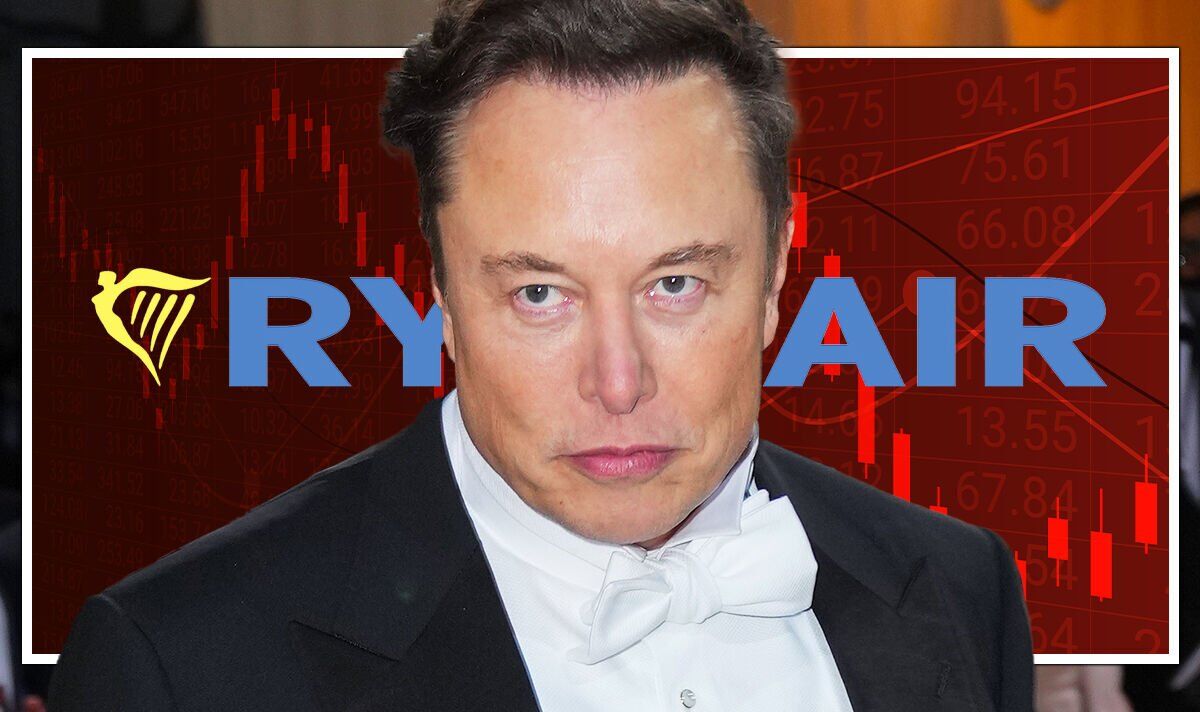
A prediction market tracking whether Elon Musk will purchase Ryanair has attracted $3.3 million in trading volume while maintaining a steady 1.2% probability through early January. The contract resolves to \"Yes\" if credible reporting confirms that Musk or an entity he leads or majority owns enters into an agreement to buy the Irish low-cost carrier by June 30, 2026, with an announced deal sufficient for resolution regardless of completion. The remarkably low odds suggest bettors treat the proposition with high skepticism, despite Musk's January 16 post suggesting that buying Ryanair might be a \"good idea.\"
Why It Matters
The market reflects a broader pattern in prediction markets: social media commentary from prominent figures often fails to materialize into concrete business actions. Musk has a documented history of provocative posts about acquisitions and ventures that never advance to binding agreements. For Ryanair specifically, an acquisition would represent one of the largest airline deals in history, requiring regulatory approval across multiple jurisdictions, board negotiation, and financing arrangements of extraordinary complexity. The resolution criteria requiring only an announced agreement—not completion—lowers the bar considerably, yet traders still assign minimal probability, suggesting they view even a signed deal as highly improbable within the 18-month window.
Key Factors
Several structural obstacles weigh heavily on market pricing. Ryanair is a publicly traded company valued at approximately $30 billion, making any acquisition extraordinarily expensive relative to Musk's liquid resources and competing capital demands at Tesla, xAI, and other ventures. Aviation regulatory frameworks in Europe are stringent; acquiring a major European carrier would trigger extensive scrutiny from national regulators and competition authorities. Additionally, Musk's track record suggests he often makes bold statements without follow-through on acquisition targets. The casual framing of Musk's comment—posted without any indication of serious intent, financial analysis, or preliminary outreach—further diminishes credibility. Finally, Ryanair's leadership under CEO Michael O'Leary has shown no public interest in selling the airline, and the company remains profitable and operationally independent.
Outlook
For the probability to shift meaningfully upward, the market would likely require evidence of preliminary negotiations, regulatory filings, or explicit statements from Musk or Ryanair confirming acquisition discussions. Absent such developments, the market appears to have priced in an assessment that the January post represents entertainment or idle speculation rather than serious business intent. The 18-month timeline provides a window for circumstances to change, but the current low odds reflect the substantial gap between a social media comment and the formal execution of a binding agreement to acquire a major European airline.