Market Overview
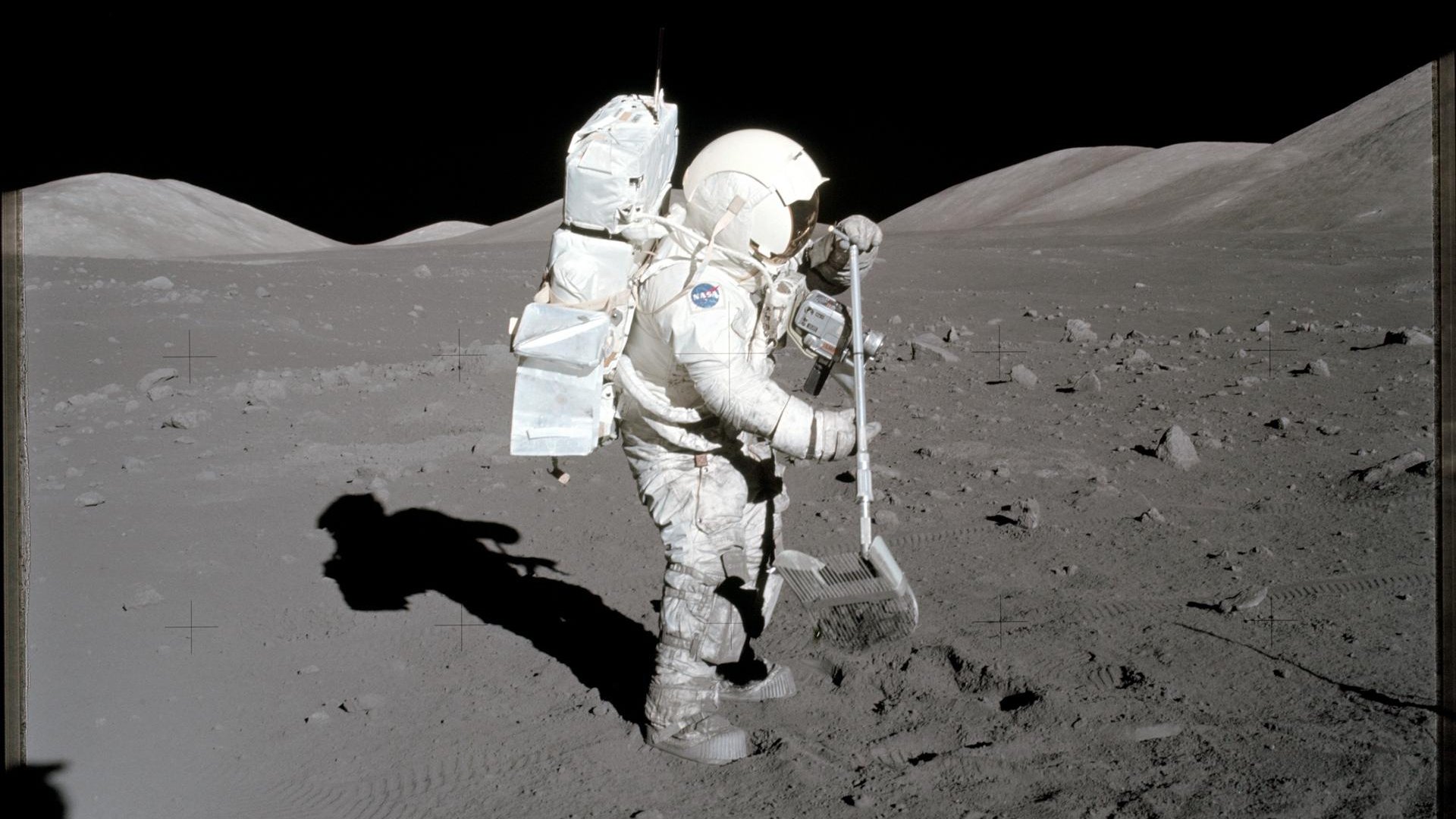
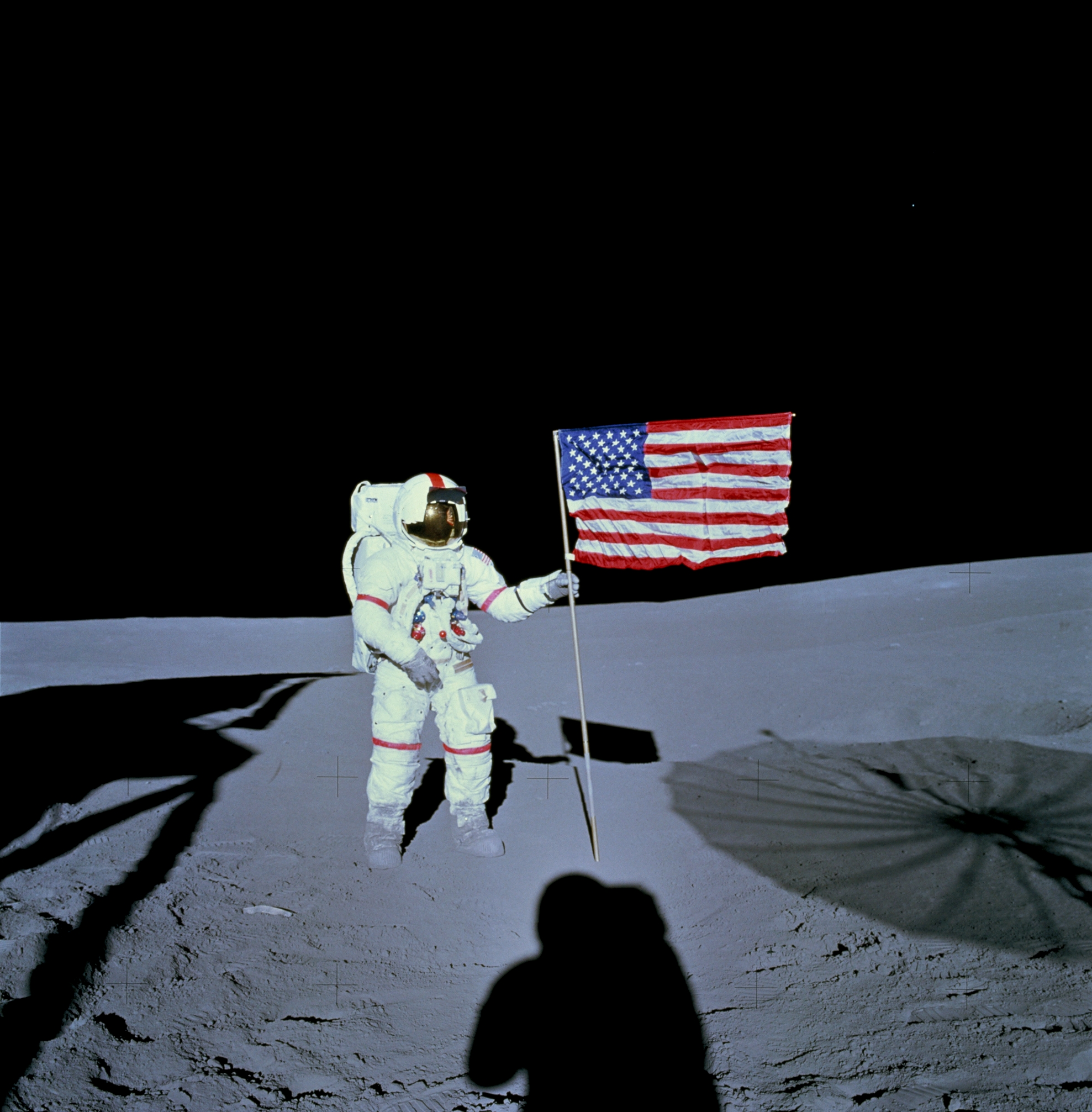
Prediction markets are assigning only a 4.3% probability to a crewed lunar landing occurring within 2026, implying roughly 21-to-1 odds against such an achievement. The market has held steady at this probability over the past 24 hours, suggesting consensus rather than volatile sentiment. With nearly $2 million in trading volume, the market reflects genuine engagement from traders assessing the technical and programmatic feasibility of an accelerated lunar return.
Why It Matters
The timeline to a 2026 moon landing has become a focal point in discussions about space exploration ambitions and the credibility of government program schedules. A successful landing would represent a dramatic acceleration of NASA's Artemis program, which was originally targeted for the mid-to-late 2020s. Such an achievement would vindicate arguments for streamlined space operations and reinvigorate public confidence in large-scale exploration initiatives. Conversely, a miss would raise persistent questions about whether ambitious timelines are compatible with the engineering rigor required for human spaceflight.
Key Factors
The low odds reflect several structural constraints. NASA's Artemis II, the first crewed lunar mission, has faced repeated postponements and is not scheduled for launch until 2025 at the earliest, with many analysts expecting further delays into 2026. Even if Artemis II launches successfully in late 2025, Artemis III—the actual lunar landing mission—would need to launch, transit, and complete its mission within months, compressing development, testing, and operational timelines to unprecedented levels. The Space Launch System (SLS) rocket and Orion spacecraft have experienced technical issues and cost overruns that have extended prior schedules. Additionally, the lunar lander component, developed through commercial partnerships, remains in development phases. Historical precedent suggests that human spaceflight programs rarely achieve simultaneous acceleration across multiple complex systems.
Outlook
For the probability to rise materially, several concurrent conditions would need to materialize: Artemis II would need to launch and complete successfully by mid-2025, demonstrating system reliability; Artemis III would require a firm launch date with credible evidence of technical readiness; and unforeseen technical obstacles would need to be absent or rapidly resolved. Current engineering and programmatic realities suggest these conditions carry low probability. Any significant announcement regarding accelerated timelines, successful test flights, or major milestone completions could shift trader sentiment, but absent such developments, the market's assessment of 4.3% appears anchored to realistic near-term feasibility.