Market Overview
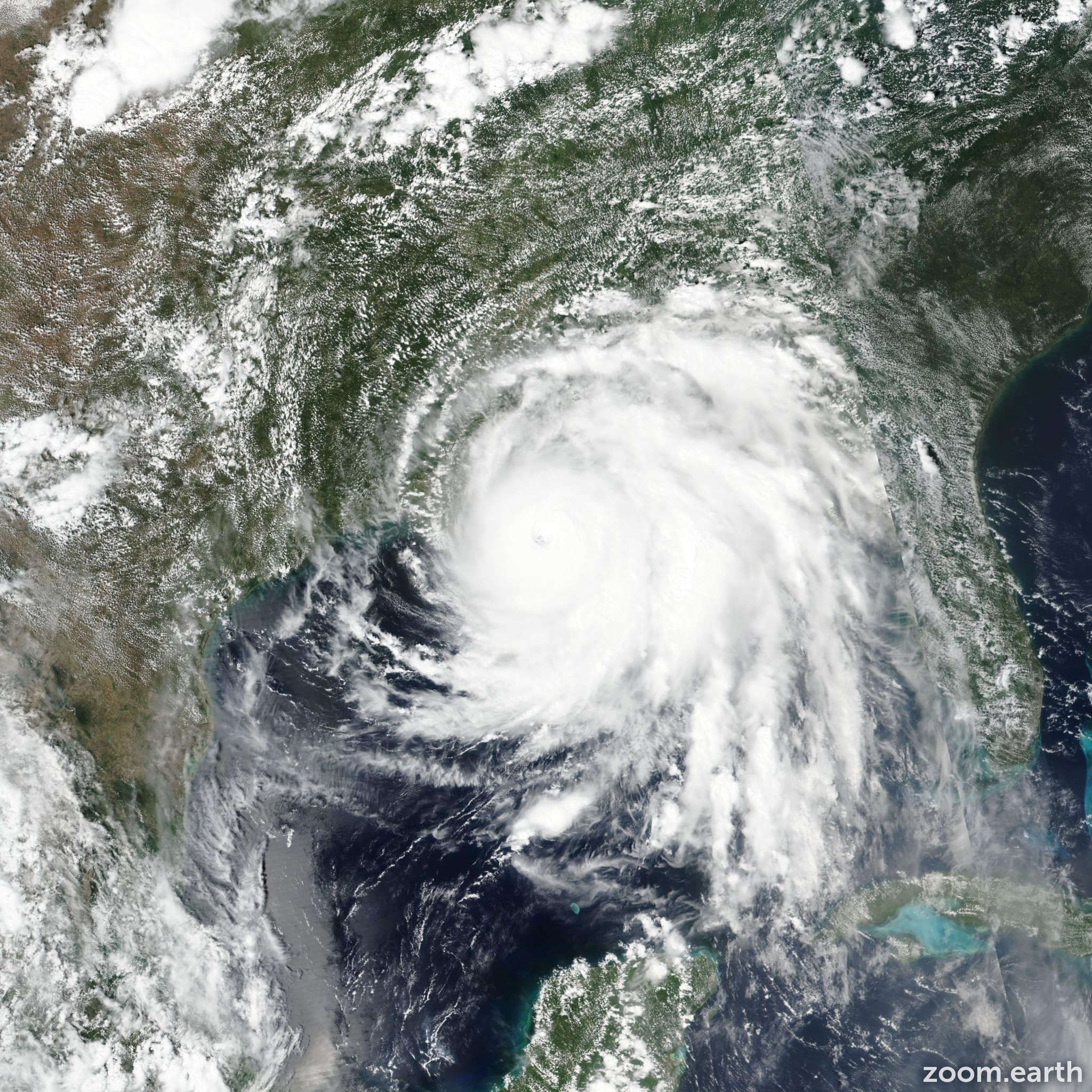
Prediction markets are pricing a one-in-three chance that a Category 4 hurricane—defined by maximum sustained winds of 130-156 mph—will strike the conterminous United States before December 31, 2026. The 35% probability has remained stable over the past 24 hours despite significant trading volume of $326,300, suggesting broad consensus among market participants on the likelihood of this weather event. The extended timeframe of the market, covering roughly two full Atlantic hurricane seasons, provides sufficient sample size for statistical analysis while remaining subject to inherent uncertainty in seasonal forecasting.
Why It Matters
Category 4 hurricanes represent a threshold of severe concern for coastal communities, capable of catastrophic damage to infrastructure, homes, and ecosystems. Understanding the probability of such an event striking U.S. shores informs insurance pricing, disaster preparedness budgeting, and federal emergency management planning. The market's assessment reflects not merely meteorological opinion but aggregated judgment from traders with financial stakes in accurate prediction, providing a real-time gauge of professional expectations regarding hurricane risk over the next three years.
Key Factors Driving the 35% Probability
Historical data suggests that Category 4 landfalls in the continental U.S. occur roughly once per decade on average, which would imply a baseline probability of approximately 20% over two years—below the current 35% market price. This discrepancy indicates that traders are factoring in additional considerations beyond historical averages. Rising sea surface temperatures in the Atlantic basin, attributed to both natural multidecadal oscillations and longer-term climate trends, have been associated with increased hurricane intensification rates in recent decades. The current position of the Atlantic Multidecadal Oscillation and other climate indices may influence expectations of above-average activity during the 2025-2026 seasons. Additionally, the market may reflect recent high-impact seasons—such as 2017 and 2020—as anchoring points for risk assessment, potentially creating recency bias in probability estimation.
Outlook and Potential Shifts
Several developments could materially shift market odds. If the 2025 Atlantic hurricane season produces multiple intense storms with high landfall probability, prices would likely increase substantially. Conversely, a quiet or below-average season would move markets toward lower probabilities. Updates to seasonal forecasts from the National Oceanic and Atmospheric Administration, issued in May and August each year, typically trigger repricing. Additionally, the resolution criteria focusing specifically on National Hurricane Center initial advisories—rather than post-analysis besttrack data—introduces regulatory clarity but also means that preliminary official classifications will determine the outcome regardless of later scientific revision. The market remains approximately two-thirds weighted toward \"No\" resolution, indicating that participants view a major hurricane landfall as more likely to be Category 3 or below than Category 4 strength.