Market Overview
The prediction market assessing whether humans will land on the moon by the end of 2026 is trading at 4.3%, implying traders assign roughly a 1-in-23 chance of this outcome. With over $1.9 million in trading volume, the market shows stable pricing with no movement in the past 24 hours, indicating consensus among participants that a 2026 lunar landing remains highly unlikely. The minimal probability reflects the substantial gap between current program status and the near-term deadline.
Why It Matters
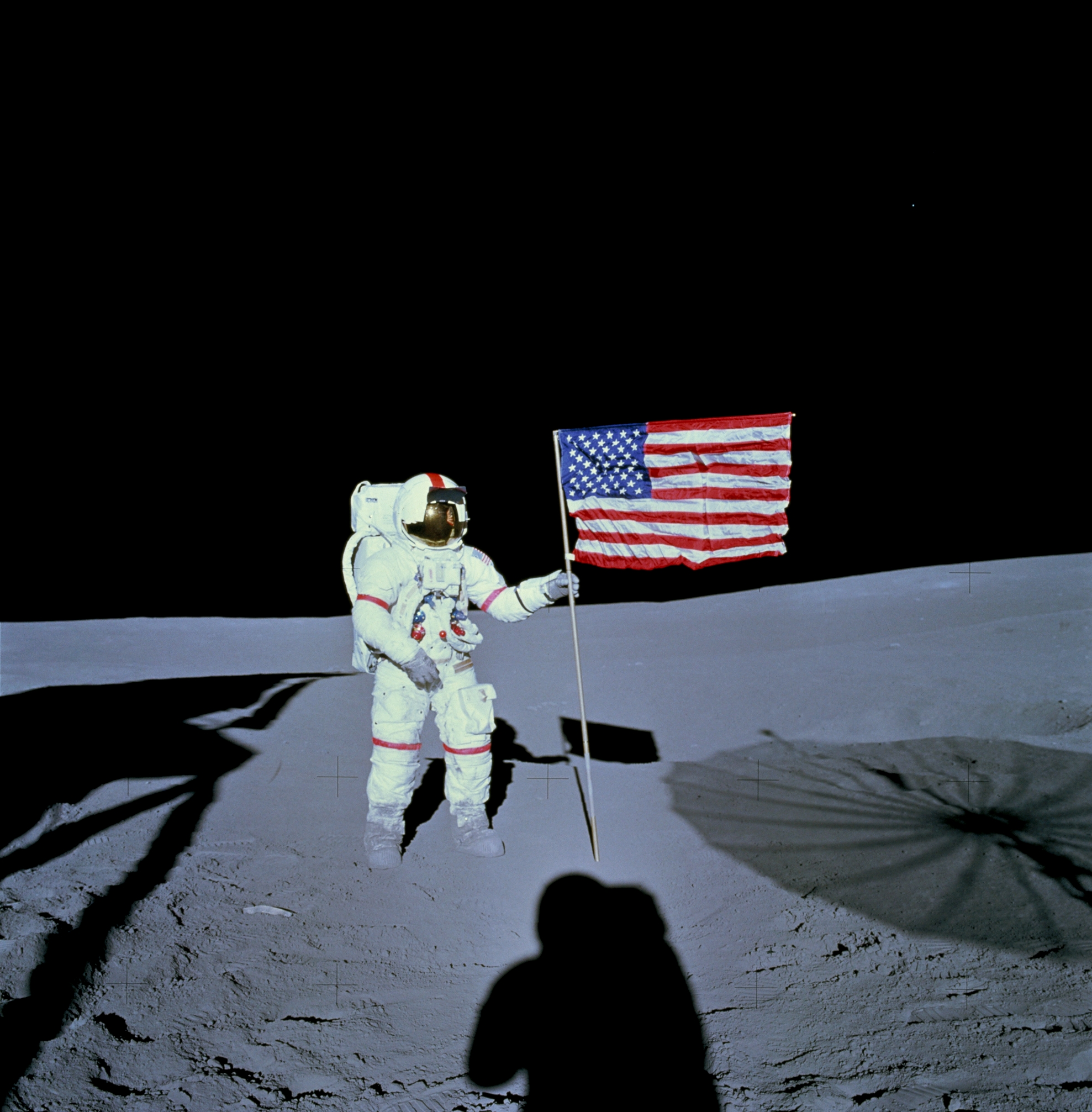
A successful human lunar landing would represent a historic achievement and mark the first crewed moon mission since Apollo 17 in 1972. The event would reshape perceptions of technological progress, validate decades of investment in space exploration infrastructure, and potentially signal major shifts in international space competition. Conversely, failure to meet a 2026 target would further extend the gap in human lunar activity and underscore persistent challenges in deep-space mission execution.
Key Factors
NASA's Artemis program, the primary pathway for a crewed lunar landing, faces significant schedule pressures. While the agency has discussed acceleration scenarios, the baseline timeline for Artemis III—the mission intended to land humans on the moon—has repeatedly slipped. Original 2025 targets were pushed to 2026, and more recent assessments suggest 2026 remains optimistic. Critical dependencies include the development and testing of the Space Launch System (SLS) heavy-lift rocket, the Orion spacecraft, and the Human Landing System (HLS), particularly SpaceX's Starship variant. Each system requires successful uncrewed testing followed by crewed missions before an actual lunar landing attempt can proceed. Additional challenges include regulatory approvals, construction delays, and the inherent unpredictability of complex spaceflight operations. The 4.3% probability suggests the market views a 2026 landing as possible only in an acceleration scenario where multiple systems achieve operational readiness on an accelerated timeline with minimal setbacks.
Outlook
Market participants appear to be pricing in the technical realities documented in NASA's own assessments and contractor timelines. Any significant acceleration announcements, successful major test flights, or accelerated funding allocations could shift probability upward, though the compressed timeframe makes dramatic increases unlikely without concrete program milestones. Conversely, additional schedule delays or technical issues with SLS or HLS testing would likely reinforce the current consensus. The market will remain sensitive to statements from NASA leadership, test results, and budget developments through 2026.