Market Overview
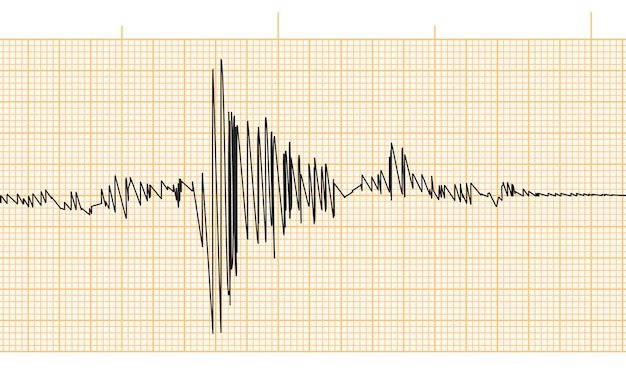
A specialized prediction market is pricing the probability of at least one magnitude 10.0 or higher earthquake occurring anywhere on Earth during 2026 at 5%. The contract, which trades through December 31, 2026, has accumulated approximately $589,842 in volume. The probability has remained stable at this level over the past 24 hours, suggesting market participants have reached relative consensus on the likelihood of such an extreme geological event within the specified timeframe.
Why It Matters
Earthquakes of magnitude 10.0 represent the upper theoretical boundary of seismic activity on Earth's existing fault systems. Such an event would be devastating on a global scale, potentially triggering massive tsunamis and causing casualties across multiple continents. Understanding the probability of such rare but consequential events helps illustrate how markets price tail-risk scenarios and reflects scientific consensus on earthquake magnitude limitations. For insurance, disaster preparedness, and broader risk management discussions, the market assessment provides a quantifiable baseline for public perception of extreme geological hazards.
Key Factors
The 5% probability reflects several fundamental geophysical constraints. The largest earthquake recorded in modern history was the 1960 Great Chilean Earthquake at magnitude 9.5, representing the practical upper limit documented by seismologists. Theoretical models suggest that magnitude 10.0 events are physically possible on Earth's largest subduction zone faults—primarily in the Pacific Ring of Fire—but such occurrences would be extraordinarily rare on any human timescale. The one-year window specified in this market significantly reduces the probability compared to longer-term forecasts, as seismic energy release follows patterns that make magnitude 10.0 events statistically improbable in any given 12-month period. Market participants appear to be pricing a small but non-zero possibility that either: (1) a previously unknown fault system could rupture, or (2) existing models underestimate the maximum magnitude potential of known subduction zones.