Market Overview
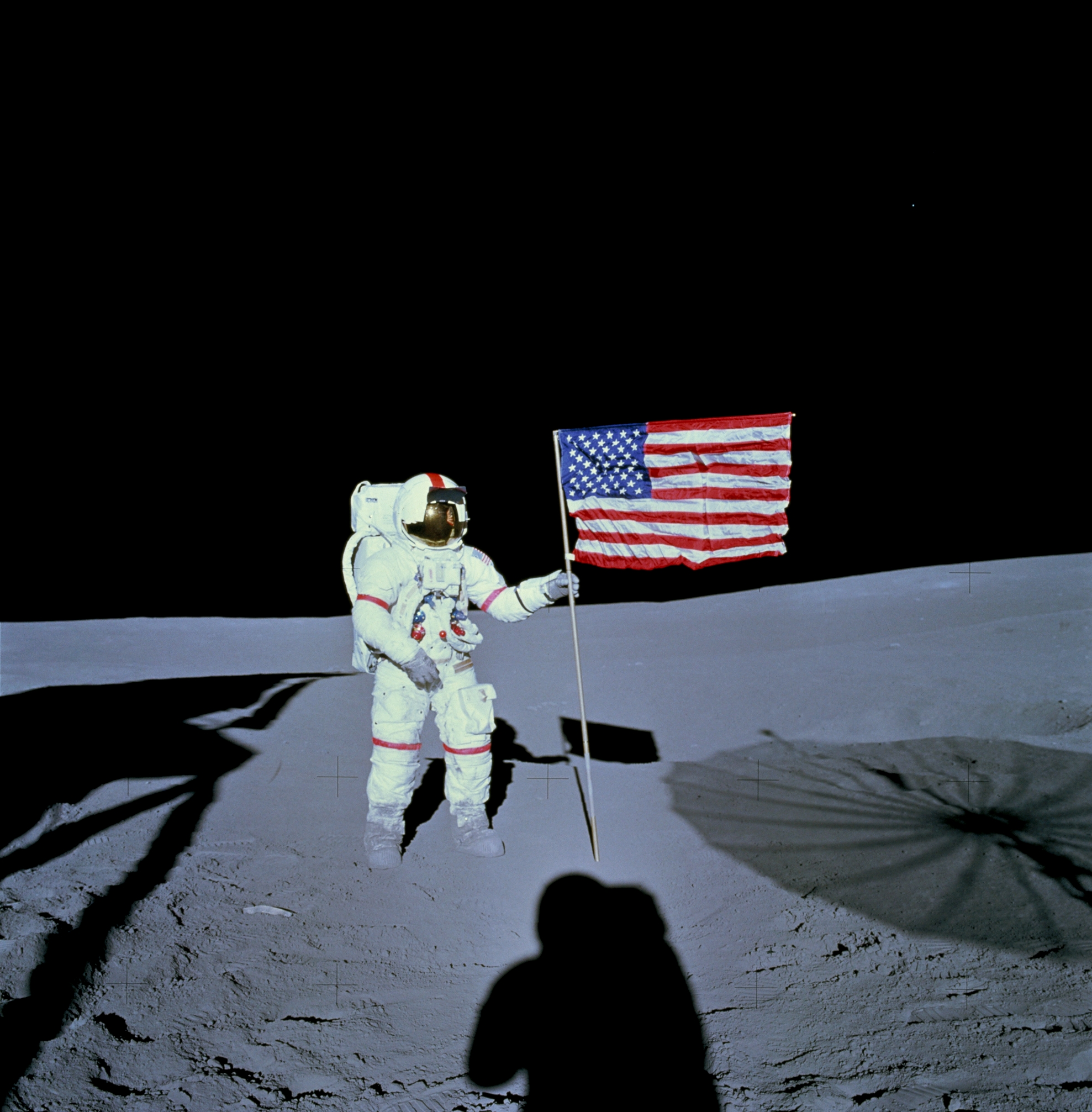
The proposition that humans will land on the moon by the end of 2026 is currently priced at 4.3% probability across prediction markets, with nearly $1.9 million in trading volume indicating substantial engagement from participants. This represents an extremely low probability event, placing it among the less likely near-term space outcomes despite the romantic appeal of lunar missions. The stable pricing over the past 24 hours suggests the market has reached an equilibrium reflecting current consensus on the timeline.
Why It Matters
A human moon landing would mark a historic achievement and validate decades of investment in the Artemis program. However, the 4.3% odds reveal broad skepticism about achieving this goal within the compressed two-year timeframe. The market's assessment carries implications for how investors and space enthusiasts evaluate NASA's stated mission objectives and the feasibility of accelerated timelines in human spaceflight—domains where technical and programmatic delays have historically been the norm.
Key Factors Driving the Low Probability
Several factors explain why markets have settled on such modest odds. NASA originally targeted 2025 for Artemis II, the crewed lunar flyby, but delays pushed this to late 2025 or 2026. Artemis III, the actual moon landing mission, was scheduled for the late 2020s, making a 2026 surface landing dependent on compressing multiple missions into an impossibly tight window. The complexity of human lunar landing—involving spacecraft integration, life support systems validation, and extensive testing—typically requires years between successive missions. Additionally, the requirement for only a spacecraft touchdown, not a formal surface stay, still demands all preconditions for a crewed landing to be met, which experts widely view as infeasible in this timeframe.
Outlook
The 4.3% probability likely reflects a small contingent of optimists betting on dramatic acceleration or possible alternative lunar programs (such as international efforts or commercial ventures), while the vast majority of market participants view a 2026 landing as highly improbable. Any significant increase in this probability would likely require major announcements of schedule compression or unexpected technological breakthroughs. Conversely, if NASA confirms another delay to Artemis II or III, the market would likely see this probability compress even further, potentially toward the 1-2% range reserved for unlikely but not impossible outcomes.