Market Overview
The prediction market for a crewed moon landing in 2026 is trading at 4.3% probability, indicating traders view such an outcome as highly unlikely. With over $1.9 million in trading volume, the market has shown no significant movement in the past 24 hours, suggesting a stable consensus among participants. For context, a 4.3% probability implies roughly 1-in-23 odds—comparable to rolling a specific number on a standard die.
Why It Matters
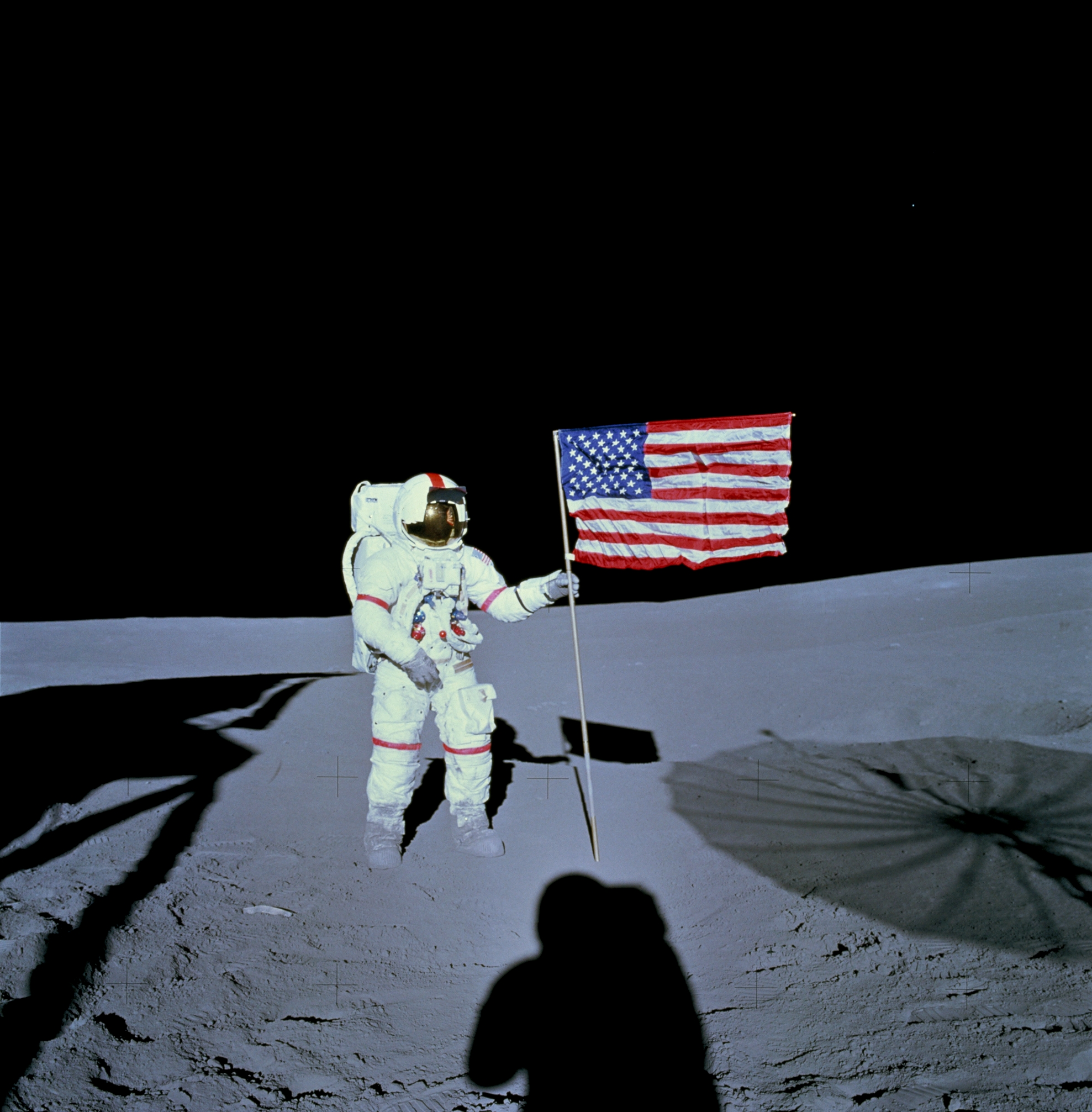
The question of when humans will next reach the moon carries symbolic and strategic significance for space exploration. A successful lunar landing would represent a major achievement in international space efforts and could reshape perceptions about the feasibility and timeline of ambitious space programs. The current market pricing suggests the consensus view is that 2026 remains too aggressive a target for the technical, funding, and schedule challenges involved in crewed lunar missions.
Key Factors
NASA's Artemis program, the primary U.S. vehicle for returning humans to the moon, has experienced multiple timeline revisions. The agency's current plans target a crewed lunar landing in 2026 at the earliest, but more recent statements have emphasized 2027 or 2028 as more realistic timelines. Technical challenges with the Space Launch System (SLS) rocket and Orion spacecraft development, combined with hardware testing requirements, have extended the program's schedule. China's lunar program is advancing but has not publicly committed to a crewed landing before 2027-2030. Private companies like SpaceX are developing lunar capabilities, but their timelines for crewed missions remain uncertain. The 4.3% probability likely reflects the compounding uncertainties around hardware readiness, launch schedule adherence, and mission execution within the narrow 2026 window.
Outlook
For the market probability to move significantly higher, traders would likely need evidence of major schedule acceleration from NASA or announcements of imminent crewed missions from other space agencies. Conversely, additional delays to Artemis testing or SLS launches could push odds even lower. The market's stability over the past day suggests current pricing has reached an equilibrium reflecting available information about space program timelines and technical readiness.