Market Overview
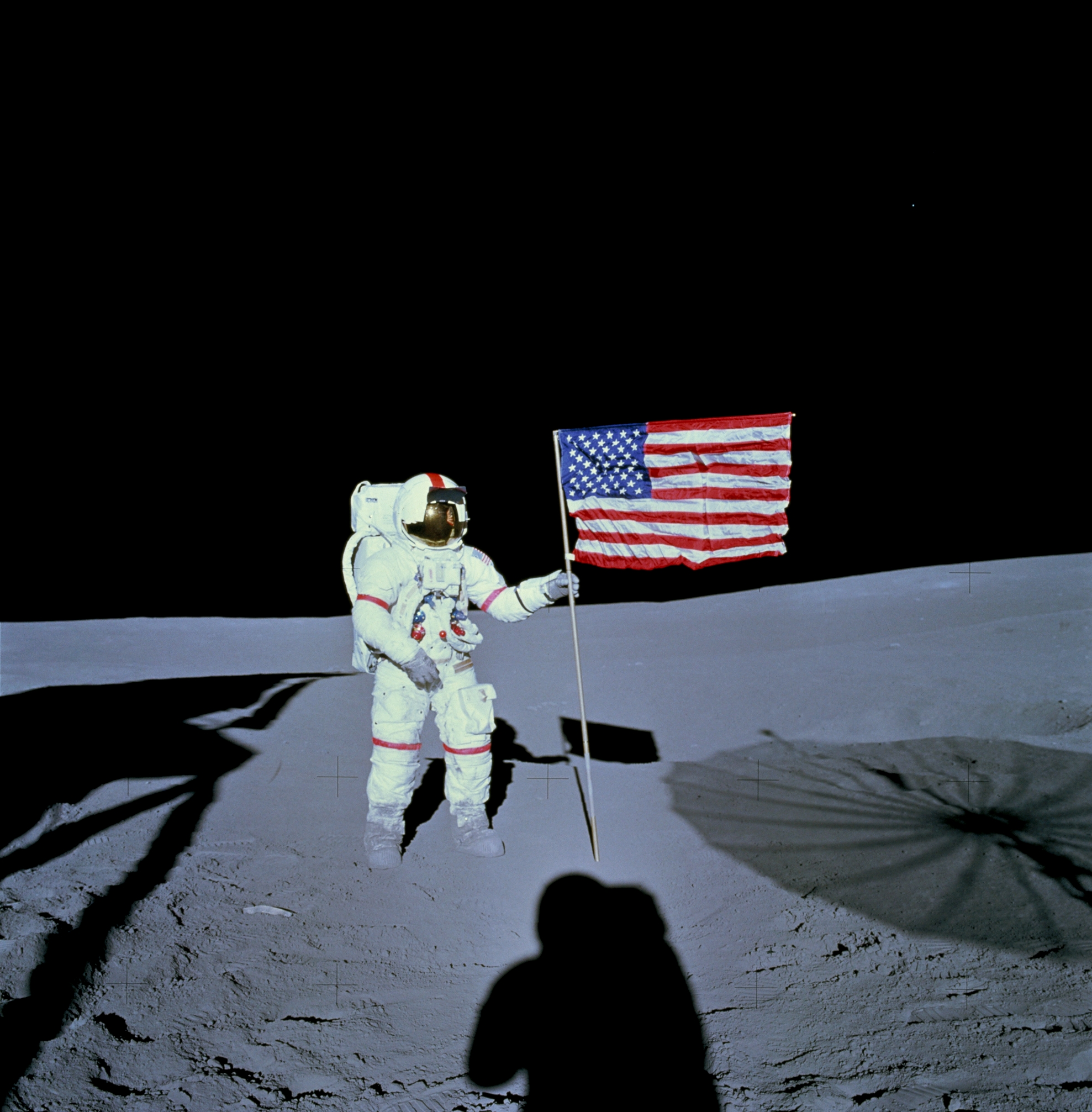
Prediction markets are pricing a human moon landing in 2026 at 4.3% probability, with the assessment holding steady over the past 24 hours despite $1.9 million in trading volume. This low odds reflect the current trajectory of the only active crewed lunar program likely to achieve a landing within the timeframe: NASA's Artemis initiative. The probability signals market confidence that no human will set foot on the moon in 2026, but leaves room for the possibility of an accelerated timeline or unexpected breakthrough from alternative sources.
Why It Matters
The timeline for returning humans to the lunar surface carries significant implications for space exploration policy, national prestige, and technology development investment. NASA originally targeted an Artemis III crewed landing for 2025, then revised to 2026, before subsequently adjusting expectations further into the late 2020s. These shifting timelines directly shape market pricing. A successful 2026 landing would represent a major acceleration from current planning and validate bold public commitments made by U.S. leadership. Conversely, another delay would underscore systemic challenges in deep space exploration programs and extend the human lunar absence to over 50 years from the Apollo era.
Key Factors
NASA's Artemis II uncrewed test flight, originally scheduled for late 2023, has experienced multiple deferrals and now targets 2025 at the earliest. Artemis III, which would include the actual crewed landing, depends on successful completion of Artemis II plus additional development of the Human Landing System (HLS) and supporting infrastructure. Technical complications with the Space Launch System (SLS), heat shield design, and lunar lander readiness have all contributed to schedule slippage. The 4.3% probability reflects the market's assessment that compressing this timeline by an additional year—beyond NASA's own revised expectations—is unlikely without extraordinary circumstances. No other nation or private entity currently possesses the capability to land humans on the moon within this window, though China is advancing its own program on a longer timeline.
Outlook
The probability could shift upward if NASA announces a dramatic acceleration of testing or if unexpected funding or technical breakthroughs emerge. Conversely, further schedule slips in Artemis II or the HLS development would likely depress odds even more. Market participants appear to have settled on expectations aligned with NASA's recent public guidance, suggesting limited surprise potential in either direction unless agency officials signal material changes to the program. Any announcement of a concrete 2026 target with supporting test milestones would represent the primary catalyst for meaningful repricing of this market.