Market Overview
The prediction market for a Category 4 hurricane landfall in the US through 2026 is trading at 35% probability, indicating that traders view such an event as unlikely but substantially more probable than mere chance. With $326,300 in cumulative volume and stable pricing over the recent period, the market reflects a settled consensus around this moderate risk assessment. The two-year window encompasses the 2025 and 2026 Atlantic hurricane seasons, representing roughly 40% of an average Atlantic basin hurricane season cycle.
Why It Matters
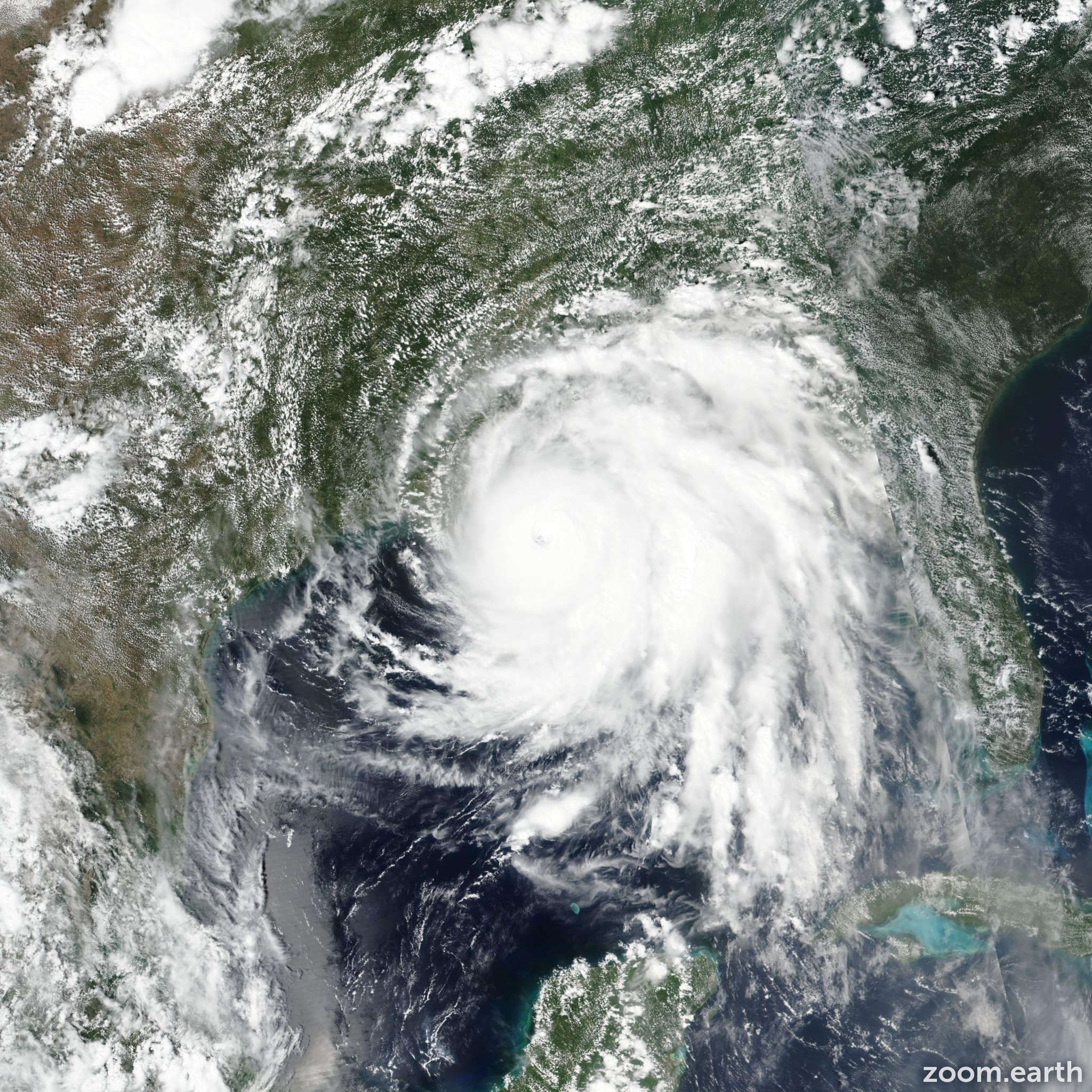
Category 4 hurricanes represent a threshold of significant destructive potential, with sustained winds of 130-156 mph capable of causing catastrophic structural damage to buildings, power outages spanning weeks, and dangerous storm surge. A successful prediction of such an event would test model accuracy regarding hurricane intensification and track forecasting over a multi-year horizon. Conversely, if no Category 4 makes landfall during this period, it would suggest either that Atlantic hurricane activity remains relatively mild or that high-intensity systems continue to avoid major population centers—both outcomes with material economic and societal implications for US coastal regions.
Key Factors
Historical frequency provides important context: Category 4 hurricanes making US landfall have occurred at an average rate of roughly one every 2-3 years over the past several decades, though with considerable year-to-year variation. The 35% probability assigned by this market reflects an expectation somewhat below that long-term average, suggesting traders may be pricing in a below-normal hurricane season pattern or increased confidence in forecast models that steer intense systems away from landfall zones. Atlantic sea surface temperatures, atmospheric wind shear patterns, and the strength of the tropical trade wind belt will materially influence the formation and intensification of Category 4-strength systems during the 2025 and 2026 seasons. Climate patterns such as El Niño or La Niña conditions, which shift during the forecast period, will also shape atmospheric conditions favoring hurricane development.
Outlook
The market probability is likely to shift materially as the 2025 Atlantic hurricane season progresses and actual storm activity becomes observable. Early-season intensification, sea surface temperature anomalies, and real-time forecast track uncertainty will drive daily movements in the coming months. By mid-season, traders will have accumulated empirical data on whether atmospheric conditions are supporting stronger-than-average or weaker-than-average hurricane intensification. The current 35% reading suggests the market is pricing neither catastrophic nor benign conditions, but rather a baseline expectation that aligns with historical norms or slightly below. Significant revisions would likely require either confirmed Category 4 activity (which would sharply increase the probability for a second event by 2026) or a full 2025 season with minimal Category 4 formation, which could compress the remaining 2026 odds downward.