Market Overview
A prediction market assessing the probability of a crewed human moon landing by the end of 2026 is trading at 4.3%, implying roughly a 1-in-23 chance of such a mission succeeding within the next two years. The market has remained stable at this level over the past 24 hours, with $1.9 million in trading volume indicating sustained interest despite the low odds. This probability reflects a near-consensus among market participants that a lunar landing within this timeframe is highly improbable.
Why It Matters
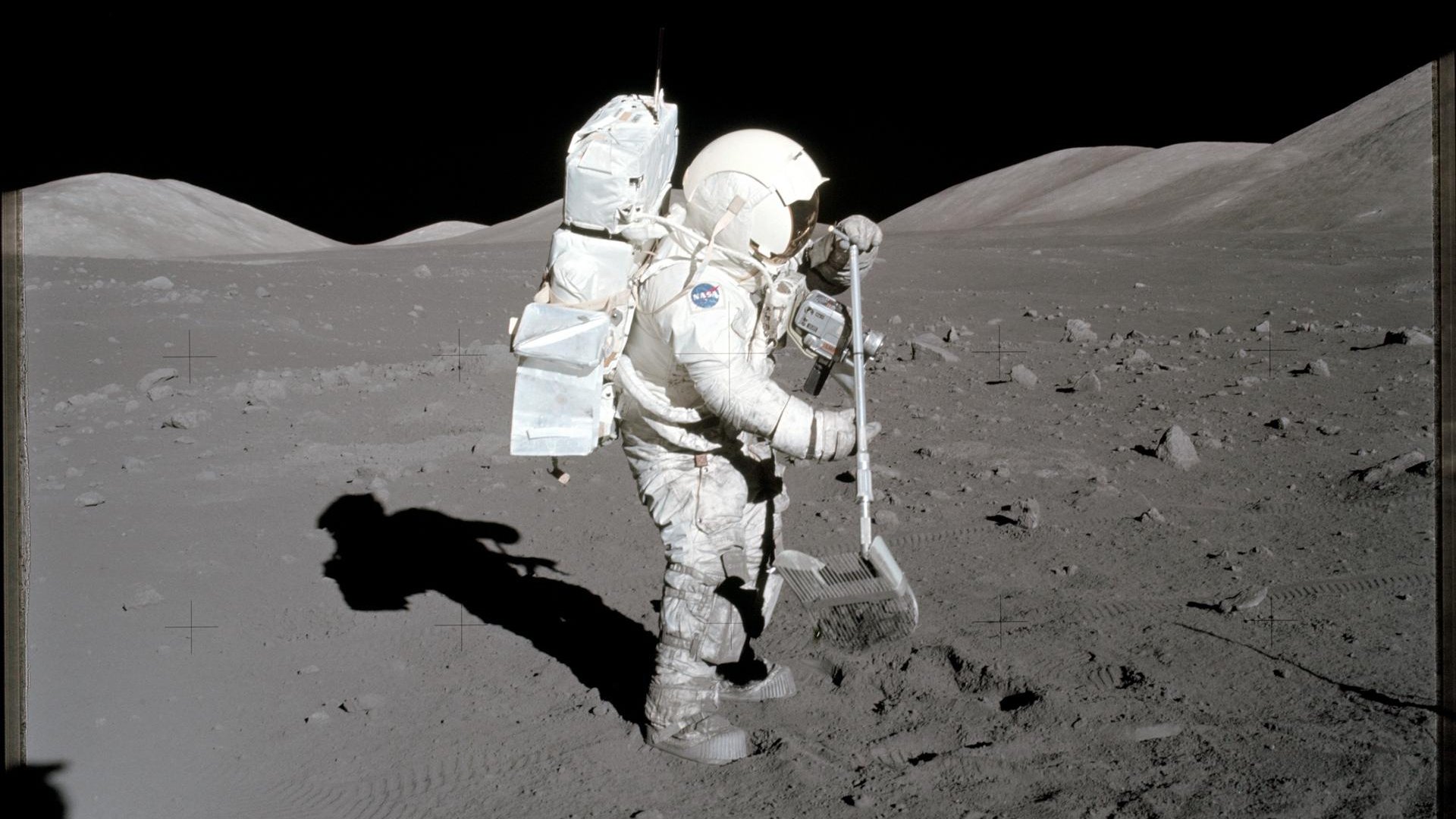
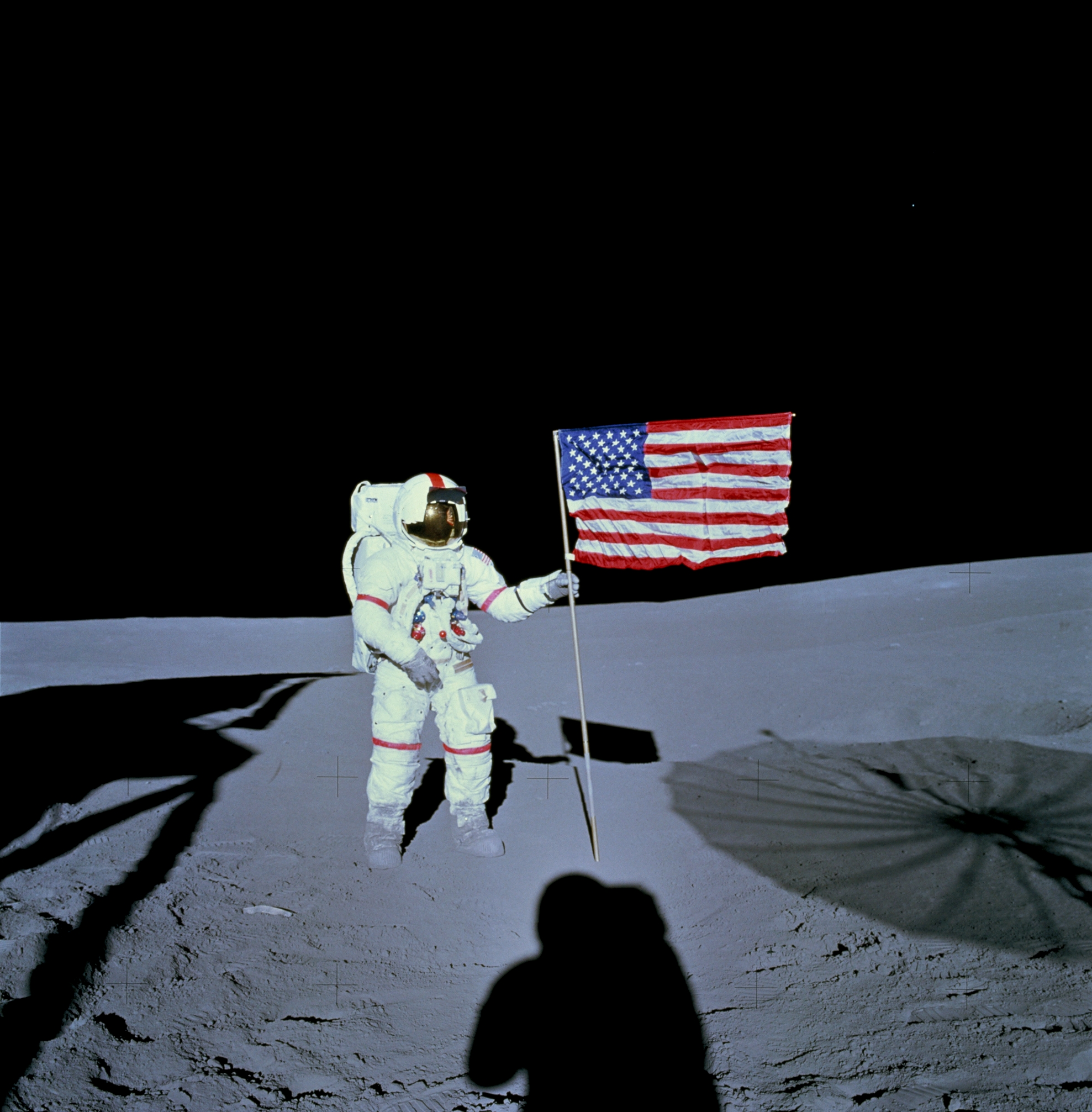
The question directly challenges NASA's publicly stated timeline for the Artemis program, which aims to return humans to the moon. Success would represent a significant milestone in space exploration and validate aggressive schedule projections. Failure to meet this target would extend the gap since the Apollo 17 mission in 1972, currently marking over 50 years without human lunar presence. For the space industry and policymakers, the 2026 deadline serves as a concrete measure of execution capability and resource allocation in lunar exploration.
Key Factors Driving Low Probability
Multiple technical and scheduling headwinds explain the market's skepticism. NASA's Artemis I uncrewed test mission launched in November 2022 but revealed integration challenges and development delays that subsequently pushed planned timelines. The Artemis II crewed lunar flyby mission—a critical stepping stone—has faced repeated schedule slips and was most recently targeted for late 2025 or 2026, leaving minimal margin for actual lunar landing attempts in 2026. Development of the Human Landing System, particularly SpaceX's Starship variant, continues to encounter test flight delays and technical hurdles. Additionally, the complexity of landing operations, abort procedures, and mission validation typically requires extended testing cycles that compressed timelines cannot easily accommodate.
Outlook
The market's 4.3% probability essentially prices in only low-probability scenarios where extraordinary schedule acceleration or an alternate crewed lunar program (such as an international effort or commercial venture) succeeds unexpectedly. For the probability to shift meaningfully higher, market participants would likely need to see concrete evidence of accelerated Artemis timelines, successful Human Landing System test flights, or announcements of alternative crewed lunar programs with near-term launch windows. Conversely, further delays to Artemis II or Human Landing System development could push the probability even lower. The current market assessment reflects historical precedent: major spaceflight programs rarely achieve aggressive timelines when technical validation remains incomplete.