Market Overview
The prediction market for a human moon landing in 2026 stands at 4.3%, indicating traders view such an outcome as unlikely within the next 18 months. With volume exceeding $1.9 million, the market reflects meaningful engagement from participants assessing near-term space exploration outcomes. The probability has remained stable over the past 24 hours, suggesting a consensus view with limited new information shifting expectations.
Why It Matters
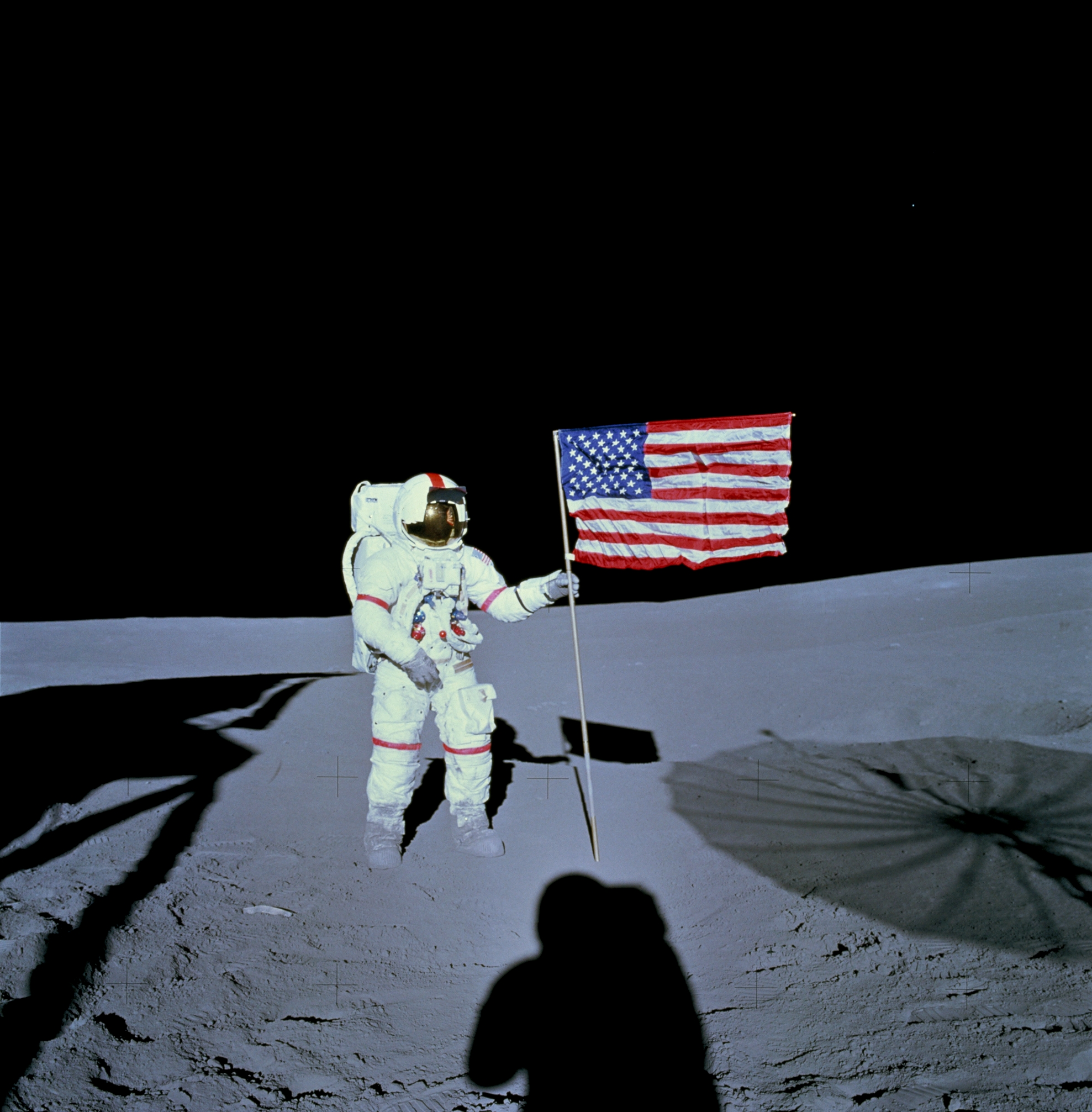
A crewed lunar landing represents one of humanity's most significant technological achievements. The 2026 timeline is particularly relevant because it falls within NASA's original Artemis II target window, making it a natural focal point for assessing whether the U.S. space agency can meet its publicly stated objectives. Success would signal meaningful progress in lunar exploration infrastructure; failure would represent further delays in returning humans to the moon for the first time since 1972.
Key Factors
The primary driver of the low probability is NASA's documented schedule slip for Artemis II. The agency initially targeted 2024, then moved to 2025, and has since indicated 2026 at the earliest—with some projections extending into 2027 or beyond. Persistent technical challenges with the Space Launch System (SLS) rocket and Orion spacecraft, combined with testing requirements following the uncrewed Artemis I mission in November 2022, have consistently lengthened timelines. Additionally, no other nations currently possess operational human lunar landing capability, though China's lunar program continues development work.
The 4.3% probability reflects not absolute impossibility but rather the substantial gap between NASA's current trajectory and a successful 2026 landing. The resolution criteria—requiring only a touchdown with humans aboard, regardless of technical complications—provides no relief for partial or aborted missions.
Outlook
The probability could shift meaningfully based on several developments: successful completion of critical SLS and Orion testing milestones, official NASA announcements reaffirming or further revising timelines, or unexpected technical breakthroughs accelerating hardware readiness. Conversely, additional delays or mission-critical technical issues would likely compress the odds further. For now, the market's assessment reflects the historical reality that complex human spaceflight programs regularly miss initial schedules, and the 2026 window remains a challenging target despite ongoing engineering efforts.