Market Overview
Prediction markets are currently assigning a 35% probability to a Category 4 hurricane making landfall in the conterminous United States before 2027. The market has held steady at this level over the past day, with $326,300 in volume accumulated, suggesting a stabilized consensus view among traders. The timeframe covers roughly 2.5 years of the 2024-2026 Atlantic hurricane seasons, during which meteorological and climatological factors will determine whether conditions favor the formation and tracking of major hurricanes toward populated US coastlines.
Why It Matters
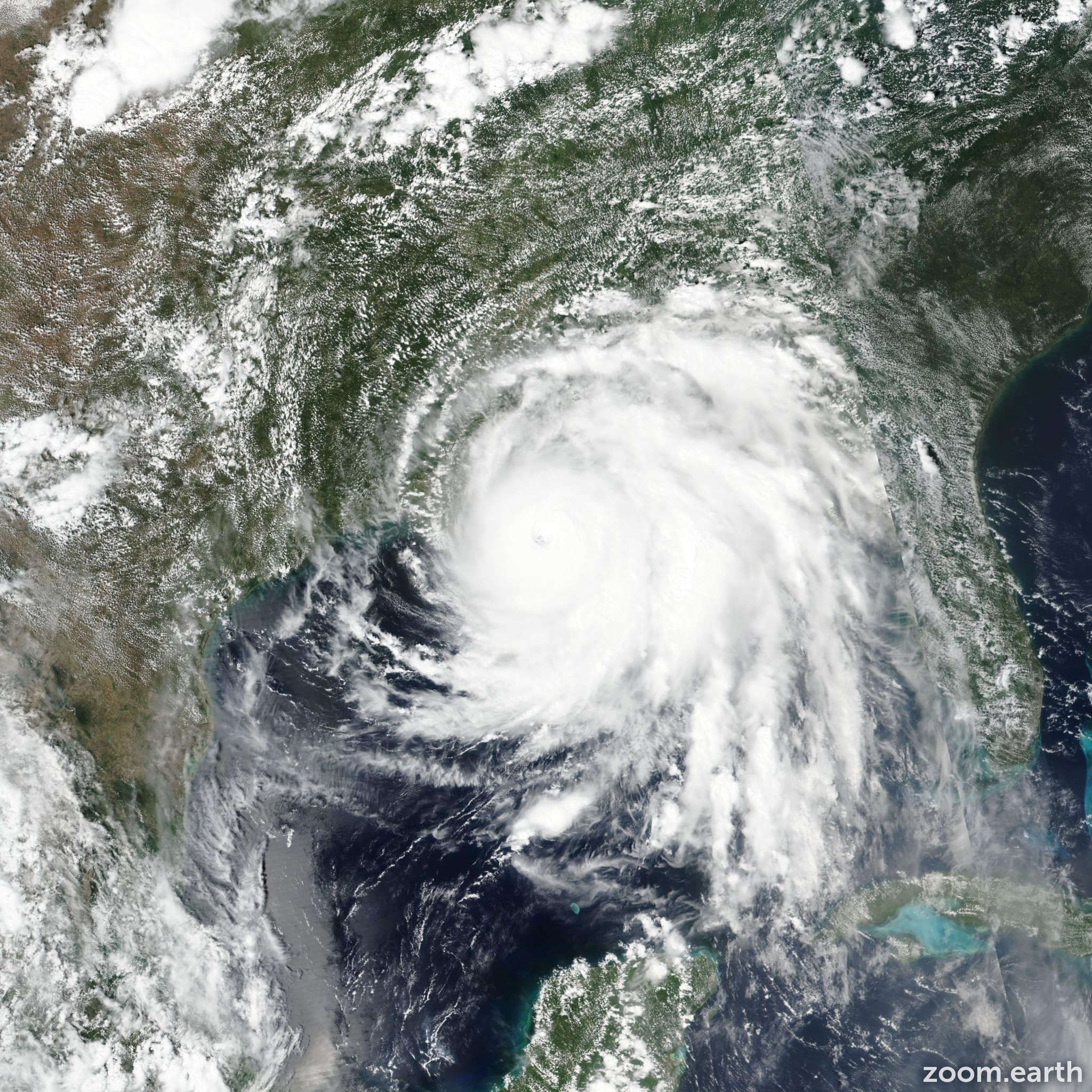
Category 4 hurricanes represent a threshold of severe destructive potential, with winds capable of causing catastrophic damage to structures, infrastructure, and ecosystems. Historical data provides context for evaluating this probability. Since 1851, the United States has experienced Category 4 landfalls approximately once every 3-4 years on average, though this frequency varies considerably by decade and region. The 2020-2023 period saw two Category 4 landfalls—Hurricane Laura (2020) and Hurricane Ian (2022)—demonstrating that such events occur within short windows. Conversely, other multi-year stretches have seen none. The 35% probability reflects traders' assessment that the odds of at least one such event in 2.5 years fall meaningfully below the historical baseline, suggesting either expectations of below-average hurricane activity or recognition that many storms weaken before landfall.
Key Factors
Several variables will influence whether this outcome materializes. Sea surface temperatures in the Atlantic basin and Gulf of Mexico are primary drivers of hurricane intensity; warmer waters generally support stronger development. The Atlantic Multidecadal Oscillation (AMO) and El Niño/La Niña phases affect seasonal activity levels—La Niña conditions typically enhance Atlantic hurricane activity, while strong El Niño suppresses it. The current and projected ENSO phases through 2026 will be consequential. Additionally, atmospheric wind shear patterns, which can either promote or inhibit hurricane organization, remain difficult to forecast beyond seasonal timescales. Geographic factors also matter: the probability depends not only on the number of strong hurricanes that form but on their specific tracks. Many intense Atlantic hurricanes curve out to sea or impact less-populated regions. The market's 35% estimate implicitly weights both the likelihood of Category 4 formation and the conditional probability of US landfall.
Outlook
This probability is subject to revision based on emerging seasonal forecasts, observed Atlantic activity patterns, and real-time hurricane developments. If the 2024 and 2025 Atlantic seasons produce fewer major hurricanes than historical averages, the probability would likely drift downward. Conversely, early-season Category 4 formations or near-miss landfalls could shift market sentiment upward. Traders should monitor National Oceanic and Atmospheric Administration seasonal hurricane forecasts, issued before each season, and track accumulated cyclone energy trends. The resolution will hinge on official National Hurricane Center advisories, which will determine definitively whether any qualifying landfall occurred. Given the inherent variability of hurricane activity and the relatively modest 2.5-year window, the market's middle-ground probability reflects appropriate uncertainty around an inherently stochastic natural phenomenon.