Market Overview
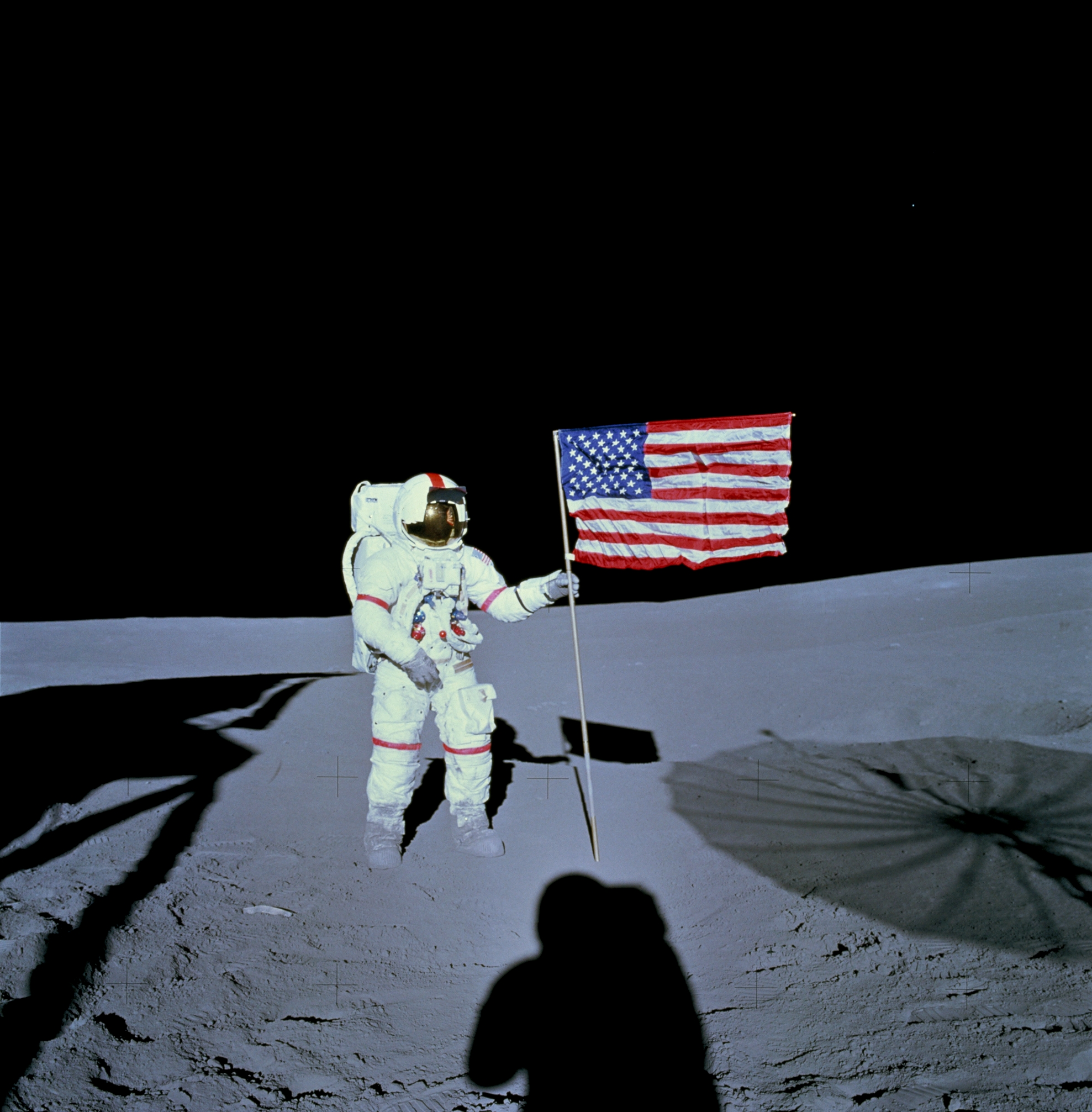
Prediction markets are currently pricing a human moon landing in 2026 at 4.3% probability, unchanged from the previous day despite strong trading volume of roughly $1.9 million. The odds reflect a consensus view that while a lunar landing during this window is technically possible, it remains highly unlikely given the complexity of crewed spaceflight, regulatory approval requirements, and historical patterns of program delays. At this probability level, market participants are essentially pricing in a less than one-in-twenty chance of success within the two-year window.
Why It Matters
The 2026 lunar landing question serves as a market-based assessment of NASA's Artemis program ambitions and the feasibility of near-term human exploration goals. The agency has previously indicated aspirations to return humans to the moon within this timeframe, making the market's skepticism a meaningful indicator of whether those targets are viewed as realistic by informed traders. A successful landing would represent a watershed moment in space exploration and signal a dramatic acceleration in the U.S. lunar return effort.
Key Factors
Several structural challenges underpin the low probability. The Space Launch System (SLS) and Orion spacecraft, essential to Artemis missions, have experienced repeated development delays and cost overruns. Historical precedent also weighs heavily: crewed lunar missions have not launched since Apollo 17 in 1972, and the integration of modern hardware, safety protocols, and regulatory reviews typically extends timelines beyond initial targets. Furthermore, Artemis I (uncrewed) flew in late 2022, followed by delays for Artemis II. For Artemis III—the mission that would carry humans to the surface—to launch by 2026 would require near-flawless execution and sustained political and budgetary support with no major setbacks. Weather, technical issues, or safety holds at any stage could easily push the timeline past year-end 2026.
Outlook
The market's current pricing suggests traders view a 2026 landing as unlikely unless NASA achieves a remarkable acceleration in testing and launch cadence. Developments that could shift probabilities upward would include confirmed readiness of SLS and Orion hardware, successful completion of Artemis II with a crewed flight test, and explicit confirmation of a 2026 launch window. Conversely, further delays to Artemis II, technical issues identified during testing, or budgetary constraints could push the odds even lower. Barring unexpected acceleration, the 2026 market is likely to remain a long-shot bet reflecting genuine structural uncertainty rather than a realistic near-term outcome.