Market Overview
Prediction market traders are pricing a human moon landing in 2026 at just 4.3% odds, with volume of $1.9 million suggesting moderate investor interest in a question spanning the next 20+ months. The flat probability over the past 24 hours indicates market sentiment has stabilized around a consensus view: while technically possible, such a timeline remains highly unlikely given current program trajectories and historical aerospace development patterns.
Why It Matters
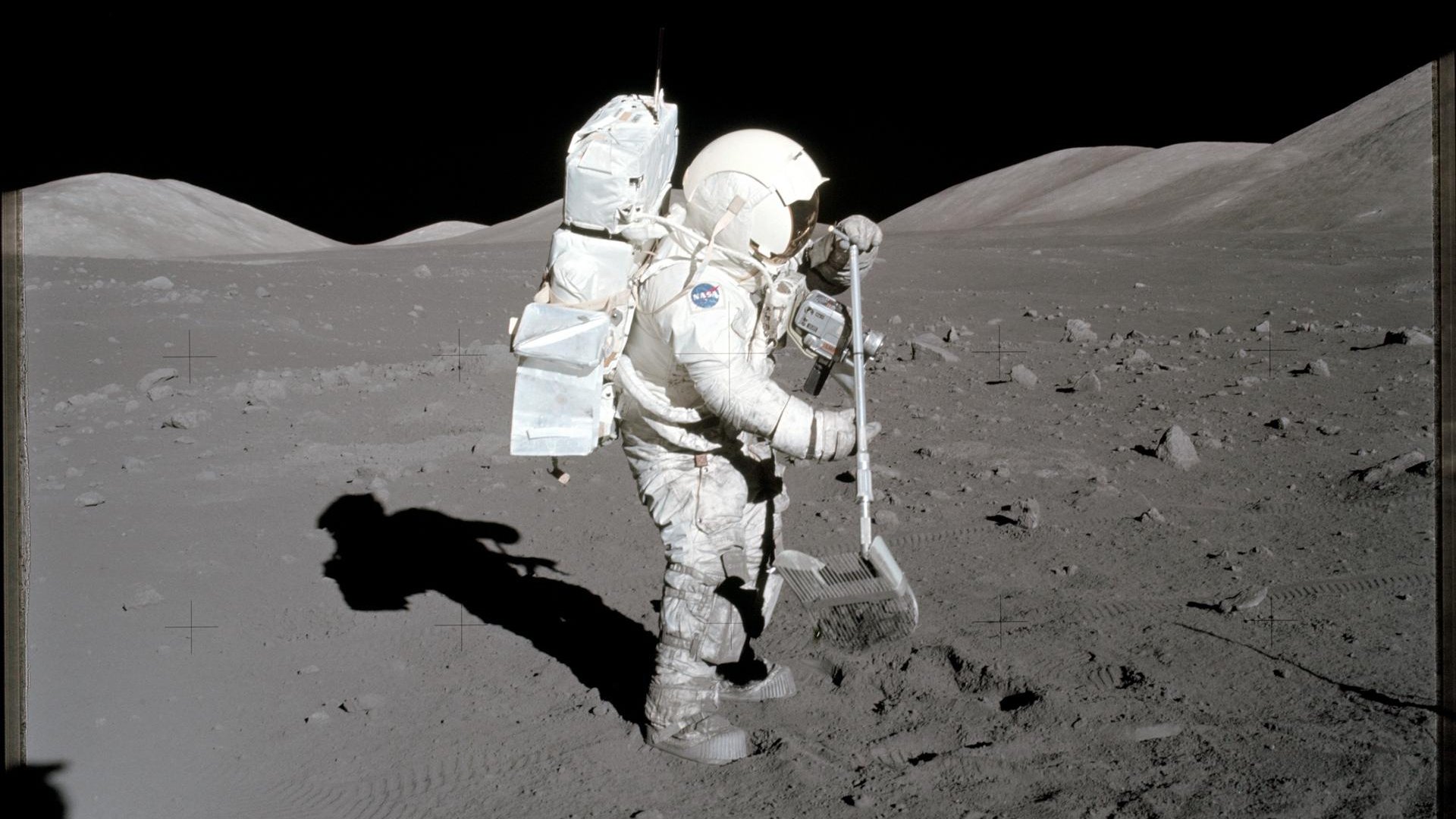
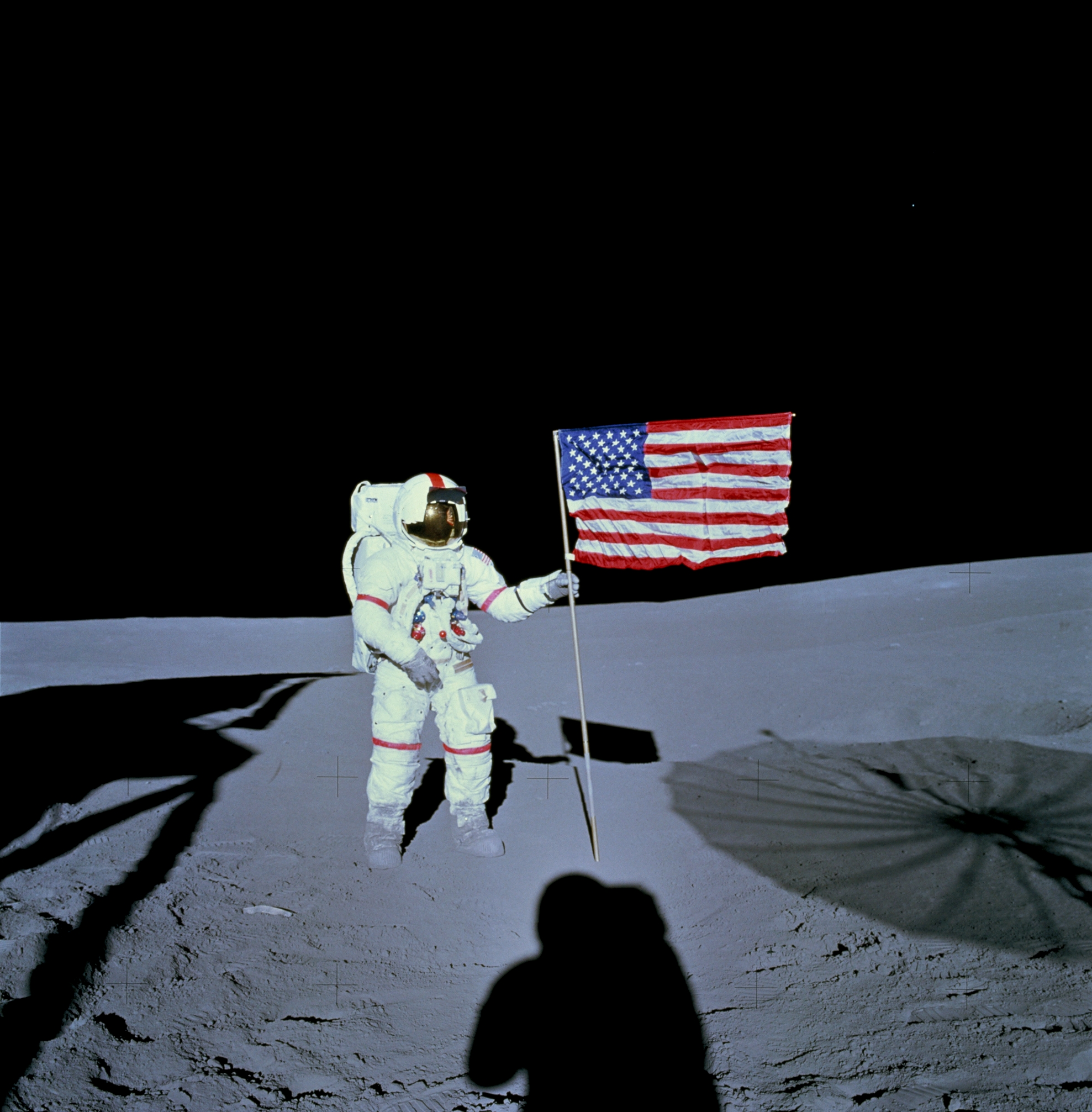
A crewed lunar landing would represent a historic milestone after a 50-year gap since Apollo 17 in 1972. The 2026 deadline is particularly significant because it reflects NASA's revised Artemis II target, which has been pushed back multiple times from its original 2024 estimate. Successfully landing humans on the moon within 20 months would require compressed development and testing schedules for mission-critical systems, including the Space Launch System, Orion spacecraft, and Human Landing System—a technical challenge that space industry experts and program officials have acknowledged presents substantial risk.
Key Factors
Several factors constrain the probability. NASA's Artemis II—the uncrewed lunar flyby that must precede any crewed landing—has already slipped from 2022 to late 2025 or 2026, consuming the schedule buffer needed for Artemis III, the actual landing mission. Artemis III involves additional complexity: integrating SpaceX's Starship HLS variant, performing lunar surface operations, and validating new systems on the actual mission rather than in extensive ground testing. Technical issues with the Space Launch System's engines, delays in Orion heat shield qualification, and supply chain constraints have compounded delays. Conversely, private sector involvement—particularly SpaceX—adds some execution optionality beyond NASA's sole control, though any private lunar crewed mission by end-2026 appears equally unlikely given development timelines and regulatory approval processes.
Outlook
For the probability to move materially higher, traders would likely need to see: concrete launch dates confirmed for Artemis II in early-to-mid 2025 with no further slippage, demonstrated success of critical subsystem tests, and public statements from NASA or SpaceX indicating 2026 landing feasibility. Conversely, any announced delays to Artemis II beyond late 2025 would likely compress 2026 odds further, as testing time for Artemis III would evaporate. The current 4.3% pricing appears to reflect base-case expectations of continued incremental delays rather than catastrophic program failure, positioning the market for material repricing only if major milestones slip or accelerate unexpectedly.