Market Overview
Prediction markets are currently pricing a human moon landing in 2026 at just 4.3%, with the probability stable over the past 24 hours and steady trading volume of approximately $1.9 million. This represents a scenario viewed as highly unlikely by market participants, though not completely implausible given the compressed timeframe and ongoing space program developments.
Why It Matters
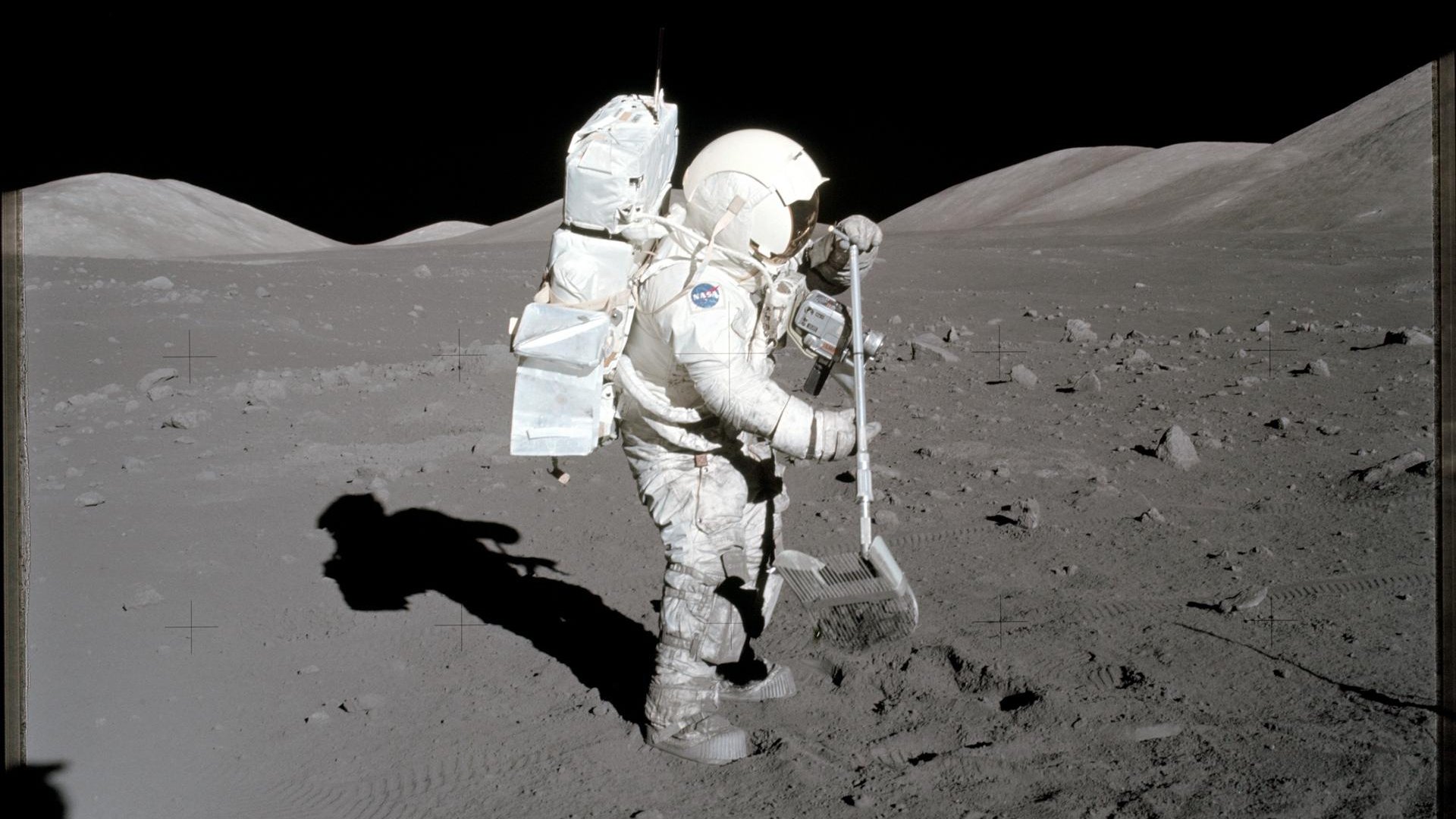
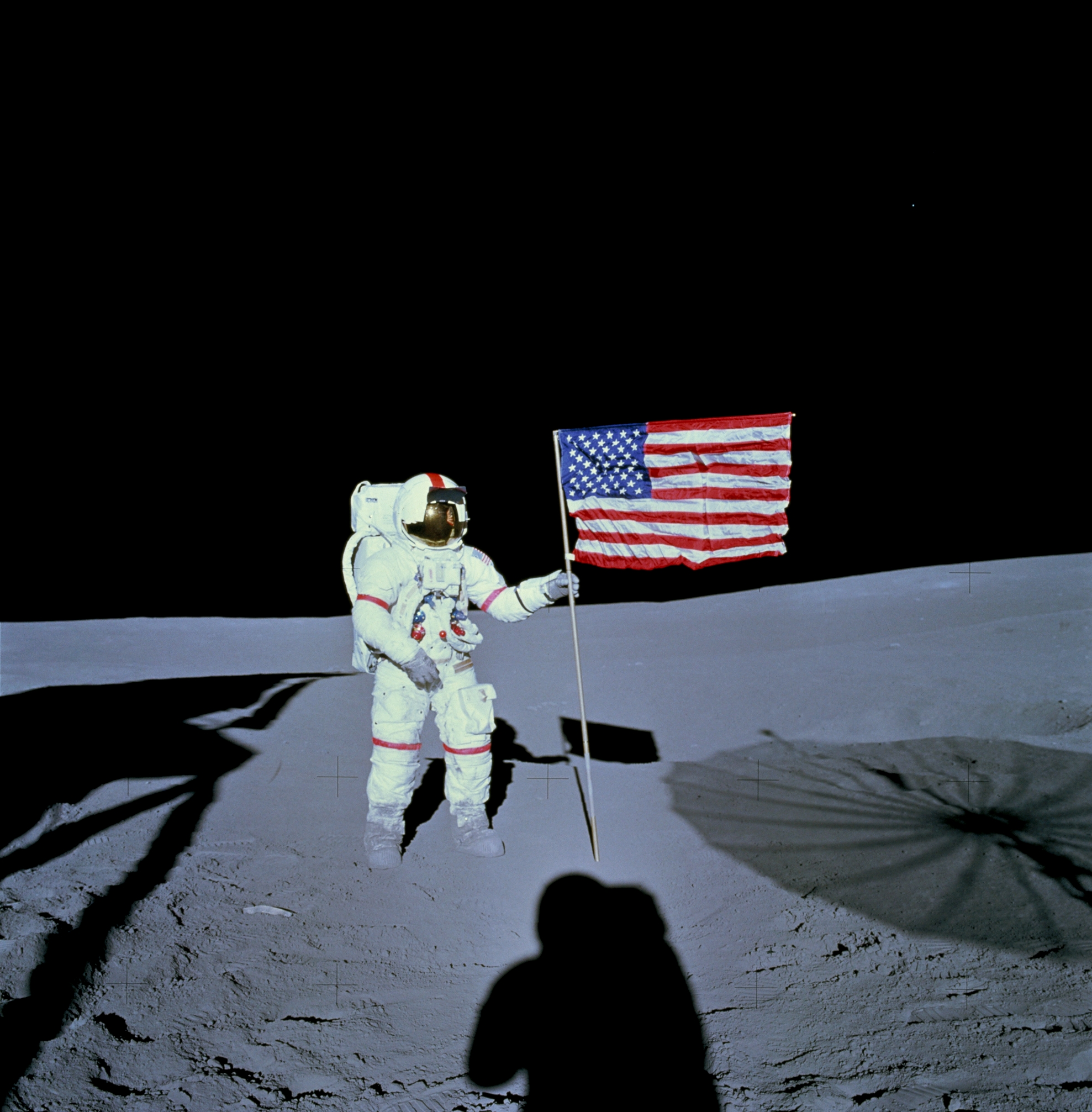
A successful crewed lunar landing would represent a watershed moment in spaceflight, marking humanity's return to the moon for the first time since 1972. The 2026 timeframe is particularly consequential because it sits at the intersection of competing technological roadmaps and policy objectives. For NASA, reaching the moon by 2026 would validate the Artemis program's scientific and exploratory mission, while a failure to meet this window would push lunar return timelines further into the future and potentially affect funding and public confidence in the space agency's capabilities.
Key Factors
NASA's official target for a crewed Artemis III landing has slipped multiple times, with the most recent projections pushing the mission into 2026 or later—a substantial delay from earlier timelines. The probability reflects several interrelated challenges: the Space Launch System (SLS) rocket and Orion spacecraft continue development and testing, with delays in hardware maturation and integration proving persistent. The lunar Human Landing System, being developed by contractors including SpaceX, requires successful demonstration missions before carrying astronauts. Supply chain constraints, budget uncertainties, and technical complexity inherent in returning humans to the lunar surface within such a tight window all weigh on market confidence.
Additionally, international competitors including China have lunar ambitions, though no confirmed crewed missions are scheduled for 2026. Private sector players like SpaceX possess relevant capabilities but have not announced crewed lunar landing targets for this timeline.
Outlook
Market probability of 4.3% suggests that while traders view 2026 as unlikely, they do not dismiss it entirely. This may reflect scenarios where accelerated testing, increased funding, or breakthrough technical solutions could compress timelines. Developments that could shift the market include successful completion of Artemis I and II missions on schedule, resolved supply chain issues, or policy decisions to prioritize lunar return funding. Conversely, additional slips in SLS or Orion testing, budget constraints, or hardware setbacks would likely push odds even lower. The coming 12-18 months will provide clearer indicators of whether 2026 remains feasible or shifts entirely out of reach.