Market Overview
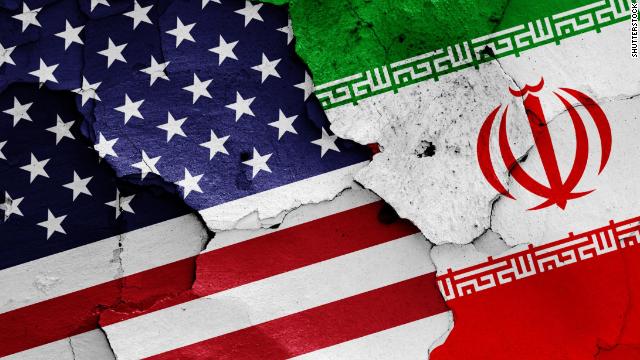
With $17.9 million in total volume, this prediction market is pricing the likelihood of active US military personnel physically entering Iran's terrestrial territory by year-end at 99.3%—effectively near-certain that no such invasion or ground incursion will occur. The probability has remained stable at this level over the past 24 hours, reflecting a consensus view among traders that the bar for direct military entry is extraordinarily high. The market's definition excludes diplomatic visits, intelligence operations, special operations that remain unconfirmed, and incursions limited to maritime or airspace, focusing narrowly on confirmed physical presence of uniformed military forces on Iranian soil.
Why It Matters
Direct US military entry into Iran would represent a dramatic escalation in Middle Eastern conflict, potentially triggering a major regional war. The binary nature of this market—requiring actual boots-on-ground confirmation rather than speculation about military readiness or rhetoric—makes it a tangible barometer of real-world escalation risk. A 99.3% no-resolution probability suggests markets see current geopolitical tensions, while serious, as unlikely to cross the threshold into full-scale ground invasion within a compressed timeframe of weeks. This assessment provides traders and analysts with a quantified view of how financial markets evaluate the severity of US-Iran military risk.
Key Factors
Several structural factors underpin the market's assessment. First, direct military invasion requires significant logistical preparation, congressional authorization in most scenarios, and explicit political decision-making at the highest levels—none of which appears imminent based on public statements or intelligence reports. Second, the US military is already engaged in multiple theaters and faces resource constraints that would make a sustained Iran operation costly. Third, international pressure and diplomatic channels remain active, creating alternative pathways to conflict de-escalation. Finally, the resolution criteria explicitly exclude gray-area scenarios—special operations, cyber operations, or other covert activities—meaning only an unambiguous, publicly confirmed ground incursion counts, a high evidentiary bar that further reduces probability.
Outlook
For the market to shift materially away from 99.3%, catalysts would need to be extraordinary: a major Iranian attack on US personnel or assets justifying immediate retaliation; a sudden breakdown in all diplomatic channels; or explicit US policy announcements signaling imminent military action. Absent such dramatic developments, the market is likely to remain pinned near current levels through year-end. Traders appear to be pricing in the possibility of continued tensions, proxy conflicts, and military posturing, but stopping well short of the threshold of direct ground invasion. Any movement toward tighter odds would signal traders perceiving a meaningful shift in escalation dynamics.