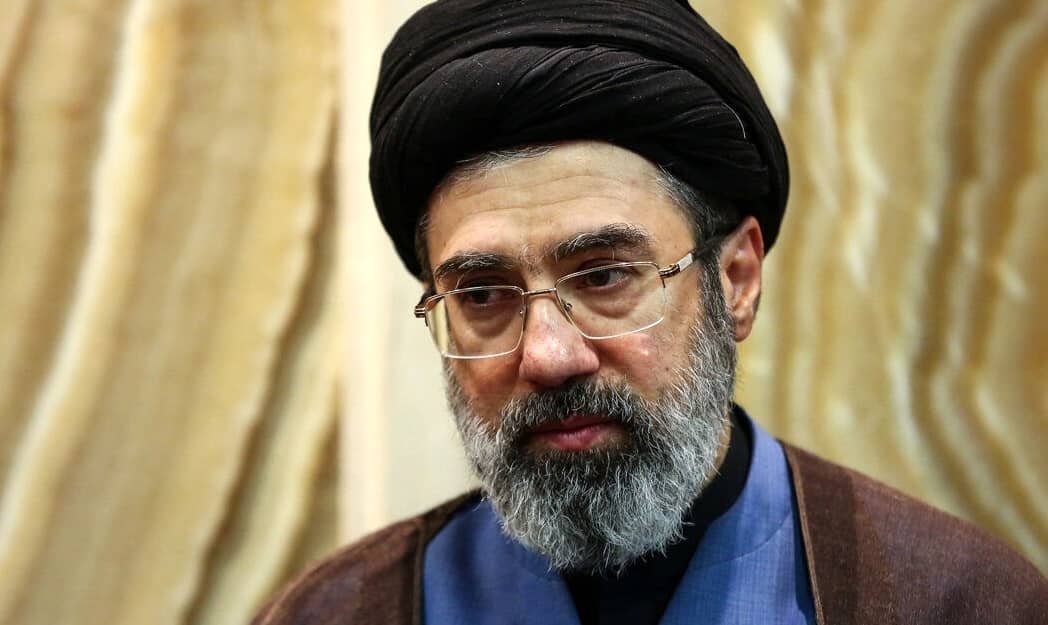
Market Overview
Prediction markets are currently valuing the likelihood of an Iran leadership change—defined as Mojtaba Khamenei ceasing to serve as the Islamic Republic's de facto leader—at 33.5%, unchanged from 24 hours prior. With $2.08 million in total volume, the market reflects meaningful interest in the question despite the absence of recent sharp price movements. The binary construction resolves to \"Yes\" if Khamenei is removed from power, detained, loses his position, or is otherwise prevented from acting as de facto leader before December 31. An official announcement of resignation or removal qualifies for resolution regardless of implementation timing, lowering the bar for verification.
Why It Matters
Mojtaba Khamenei, the son of deceased Supreme Leader Ayatollah Ali Khamenei, has emerged as a significant power broker within Iran's governance structure, though his formal title and authority remain ambiguous in official frameworks. Any transition in his de facto leadership role would signal a major realignment of power dynamics within Iran's clerical establishment. Such an outcome could stem from succession disputes following health crises, internal factional conflict, or broader institutional instability. For international observers, Iran's leadership structure directly influences foreign policy orientation, nuclear negotiations, and regional security calculations, making the probability assessment relevant to geopolitical risk evaluation.
Key Factors
The 33.5% odds reflect several cross-cutting considerations. Mojtaba Khamenei's age (approximately 55) and the advanced age of Supreme Leader Ali Khamenei (who is in his mid-80s) create succession-related uncertainty inherent to the system. However, no current public reporting suggests imminent health crises or institutional mechanisms forcing a near-term transition. The Iranian political system's factionalism—between hardliners, reformists, and pragmatists—introduces instability, yet these divisions typically manifest through electoral or parliamentary contests rather than sudden leadership changes. International tensions, including sanctions and nuclear diplomacy, could theoretically trigger internal instability, but such cascading effects remain speculative. The market's stable probability across the reporting period suggests traders view near-term transition risks as significant but not elevated relative to baseline structural risks in Iran's political system.
Outlook
The maintenance of 33.5% odds through the current period indicates the market has largely priced in baseline succession risks without incorporating new destabilizing information. Developments that could shift this probability include public health announcements affecting senior Iranian leadership, major internal security incidents, factional crises, or statements from credible sources regarding succession disputes. Conversely, evidence of institutional stability, successful power consolidation, or reduced factional tension could lower transition probabilities. The market's reliance on \"consensus of credible reporting\" as the resolution source introduces some ambiguity around edge cases—particularly distinguishing between de facto power loss and formal position changes. As the year progresses, traders will monitor developments within Iran's clerical establishment and broader geopolitical conditions for signals that could justify material repricing of these odds.