Market Overview
The market for zero confirmed VEI 4 or higher volcanic eruptions in 2026 is trading at 53.5% probability, indicating near-parity between forecasters expecting at least one major eruption and those betting against one. With $475,150 in trading volume, the market represents meaningful consensus-building around a natural hazard event that carries significant scientific and potential geopolitical consequences. The resolution framework relies on the Smithsonian Institution's Global Volcanism Program, the authoritative tracker of major volcanic activity, with a finalization date of March 31, 2027, allowing time for comprehensive data collection and verification.
Why It Matters
VEI 4 and higher eruptions—classified as \"cataclysmic\" or greater on the volcanic explosivity scale—are rare but consequential events. These eruptions typically eject millions of tons of material into the atmosphere, can affect global climate patterns through stratospheric aerosol injection, disrupt air travel, and pose direct hazards to populations near active volcanoes. Understanding the probability of such events occurring in a given year informs risk assessments for climate models, insurance markets, and public health planning. The current market assessment suggests forecasters view 2026 as roughly equally likely to either contain or avoid a major eruption, reflecting the inherent unpredictability of volcanic activity combined with observable historical baseline rates.
Key Factors
Historical frequency provides the foundation for baseline expectations. Between 2000 and 2024, the Smithsonian data shows that major eruptions (VEI 4+) occur irregularly, with some years recording none and others recording one or more. This variability—driven by complex geophysical processes not fully predictable on year-to-year timescales—explains why the market hovers near 50-50 odds rather than strongly favoring either outcome. Current volcanic monitoring networks track hundreds of active volcanoes worldwide, including closely watched systems in Indonesia, the Philippines, Mexico, and East Africa, some of which have shown elevated unrest. However, forecasters cannot reliably predict when and where the next major eruption will occur based on present-day monitoring capabilities. The relatively stable price at 53.5% over the past 24 hours suggests the market has absorbed available information and lacks fresh data points to shift sentiment decisively.
Outlook
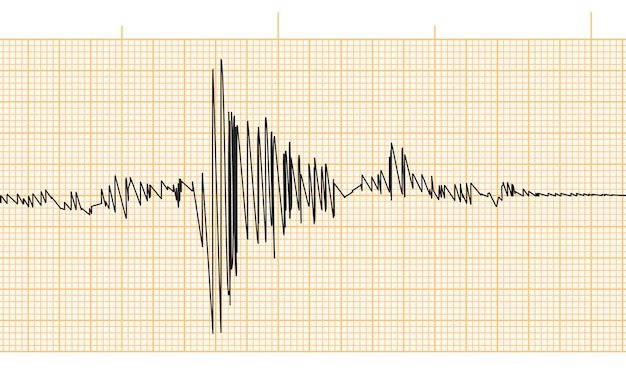
Price movement in this market will likely correlate with significant changes in volcanic monitoring signals rather than short-term speculation. Should volcanologists detect unusual activity at major volcanic systems—such as marked increases in seismicity, ground deformation, or gas emissions—the probability of eruption could shift substantially. Conversely, a quiet geophysical environment across monitored volcanoes through late 2025 and early 2026 could push odds toward the no-eruption scenario. The market's near-neutral positioning reflects appropriate epistemic humility: major volcanic eruptions remain geophysically unpredictable on annual timescales, and forecasters have limited ability to move odds far from historical base rates without dramatic new evidence of imminent activity.