Market Overview
A prediction market focused on whether the United States or Israel will conduct a kinetic military strike against Iran's Isfahan Nuclear Technology Center has reached a ceiling price of 100% probability, indicating near-total market conviction that such action will occur before March 31, 2026. The market, which has generated $1.35 million in trading volume, has shown remarkable stability at extremely high probability levels, with the 24-hour change of 0.5 percentage points representing marginal upward movement from an already-extreme position.
Why It Matters
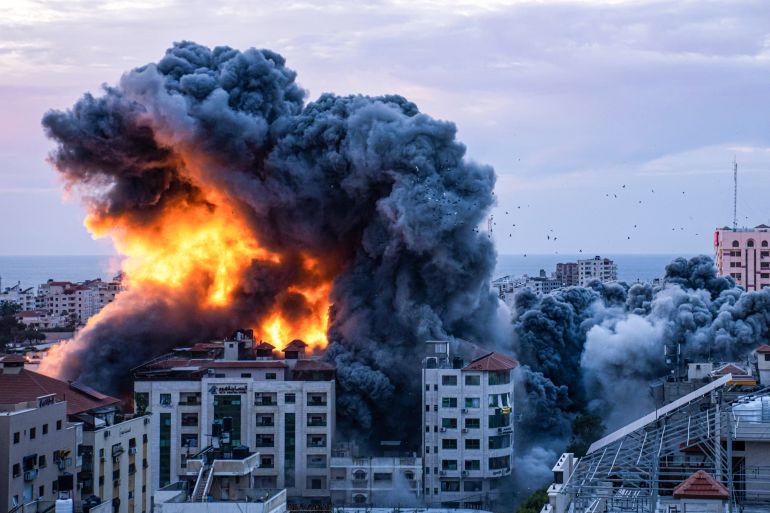
The Isfahan Nuclear Technology Center represents one of Iran's most strategically significant nuclear research facilities, making it a focal point for international concerns about Tehran's nuclear program. A strike on the facility would constitute one of the most consequential military escalations in the Middle East in years, potentially triggering broader regional conflict. The market's extreme probability reading reflects trader assessment that either current geopolitical conditions or recent developments make such an action far more likely than not within the specified 15-month window.
Key Factors
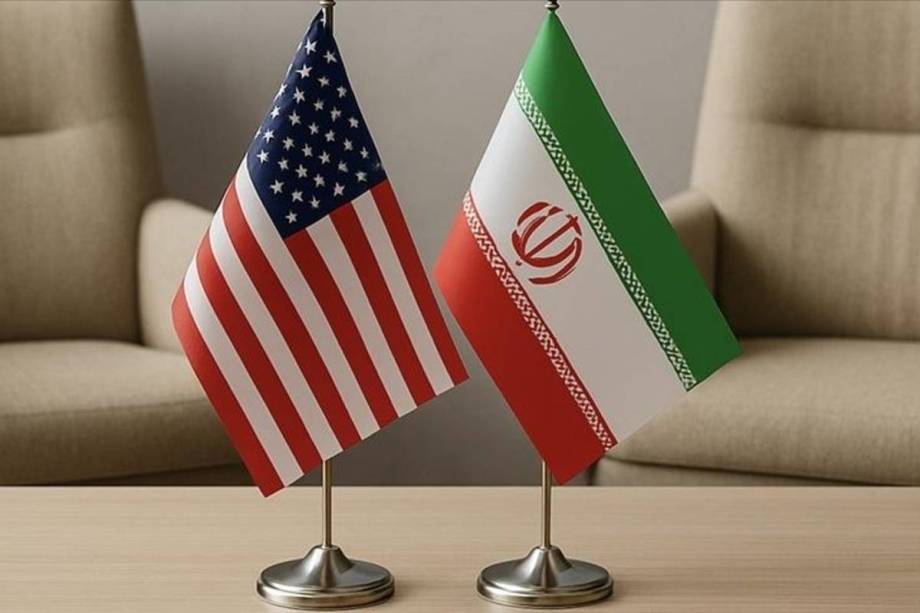
Several structural factors appear to drive the market's assessment. The market definition requires only that a strike occur—successful impact is not required, meaning intercepted missiles or failed operations would not resolve the market to \"Yes.\" This lower threshold than might otherwise be expected still reflects trader conviction about offensive action being attempted. The geographic and political tension between Iran and both the United States and Israel, combined with ongoing concerns about Iran's nuclear activities, forms the backdrop for elevated war risk pricing. Additionally, the extended timeframe through March 2026 provides a 15-month window for geopolitical events to unfold, which market participants appear to view as sufficient for escalatory action.
The market's stability at 99.5-100% suggests limited disagreement among traders about the baseline risk level, though the persistence at maximum probability raises questions about whether the market is capturing genuine forecaster confidence or encountering structural constraints in price discovery at extreme probability levels.
Outlook
Movement in this market would likely require significant de-escalatory developments—such as major diplomatic breakthroughs, changes in U.S. or Israeli government positions, or substantive shifts in Iran's nuclear posture. Conversely, any further regional escalation, Iranian nuclear advances perceived as crossing red lines, or shift toward military-first positioning by U.S. or Israeli leadership could reinforce the current probability, though the market already prices in very high likelihood. Traders monitoring this market should watch for geopolitical announcements, Iranian nuclear facility developments, and U.S.-Israeli policy statements as potential catalysts for any meaningful repricing.