Market Overview
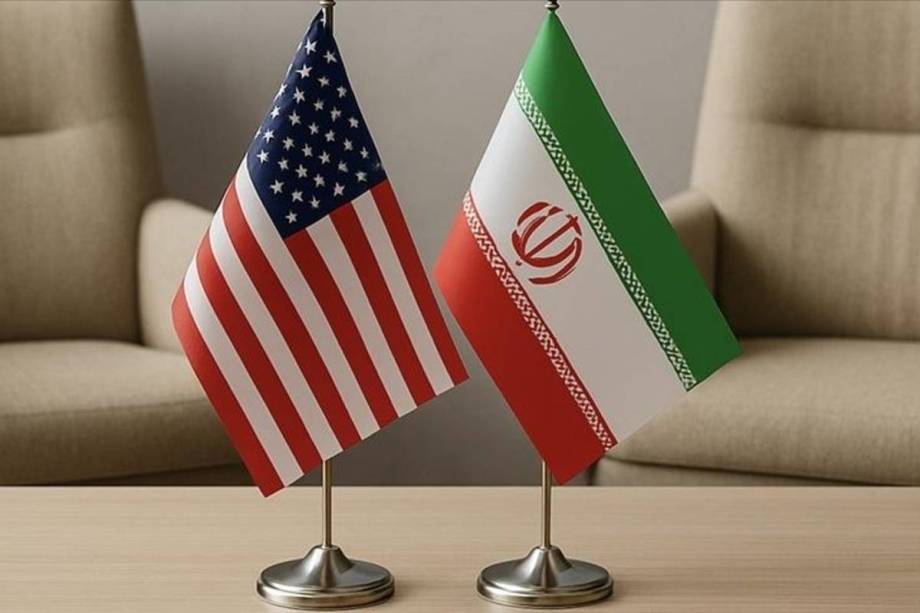
Prediction markets are pricing a US-Iran official ceasefire agreement by April 15 at 4.5%, down from 5.5% one day prior. With roughly $12.8 million in trading volume, the market indicates that traders assign roughly a 1-in-22 chance of both governments publicly announcing a mutually agreed halt to direct military engagement by the deadline. The recent decline, though modest, suggests a modest shift toward skepticism about near-term diplomatic breakthroughs.
Why It Matters
A US-Iran ceasefire would represent one of the most significant geopolitical developments in recent years, potentially reshaping Middle East security dynamics and reducing risks of broader regional conflict. The market's resolution hinges on a strict definition: both governments must issue public confirmation of an official agreement to halt military hostilities, with humanitarian pauses, backchannel understandings, or unilateral pauses explicitly excluded. This high bar reflects the need for verifiable, formal commitment rather than de-escalation rhetoric or operational pauses that have historically preceded renewed tensions.
Key Factors Driving Low Odds
Several structural factors appear to be weighing heavily on the probability. First, the April 15 deadline is approximately three months away—a compressed timeframe for resolving decades of antagonism and navigating complex domestic political constraints on both sides. Second, recent US-Iran military escalations, proxy conflicts, and hardline positions from key factions within both governments create substantial friction against formal agreements. Third, the requirement for simultaneous, explicit public confirmation from both parties raises the bar significantly; even partial de-escalation or secret agreements would not satisfy market resolution criteria. Finally, the historical pattern of failed negotiations and mutual distrust suggests that markets may be correctly pricing in the difficulty of achieving consensus on such a consequential commitment.
Outlook
For the probability to rise materially, traders would likely need to see credible signals of high-level diplomatic engagement, statements from senior officials indicating active ceasefire negotiations, or third-party mediation from trusted actors. Conversely, further military incidents, provocative rhetoric, or sanctions escalation could push odds even lower. The market's current pricing reflects a baseline view that while de-escalation remains possible, the diplomatic and political hurdles to a formal, publicly announced ceasefire by mid-April remain formidable. Traders should monitor developments in diplomatic channels, regional proxy activities, and official statements from Washington and Tehran as primary indicators of shifting probability.