Market Overview
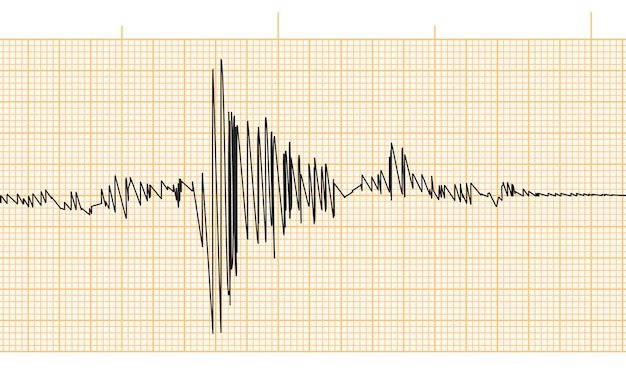
The prediction market currently prices the probability of 11 to 13 major earthquakes (magnitude 7.0 or above) occurring worldwide in 2026 at 24.0%. With $410,030 in trading volume, the market reflects meaningful engagement from participants assessing global seismic risk. This specific probability band represents one segment of the annual earthquake frequency distribution, requiring traders to forecast not merely whether significant seismic activity will occur—which is virtually certain—but whether it will fall within this particular quantitative range.
Why It Matters
Understanding earthquake frequency has implications for disaster preparedness, insurance pricing, and scientific understanding of plate tectonics. The USGS tracks magnitude 7.0+ events as the threshold above which earthquakes cause significant regional or international impacts. For 2026 specifically, forecasting the exact number of such events helps calibrate expectations about global seismic hazard and potential humanitarian impact. The narrowness of the 11-13 range—only three events wide—makes this a relatively precise forecast requiring confidence in historical patterns and current seismic conditions.
Key Factors Driving the Probability
Historical data on earthquake frequency provides the foundation for this estimate. The USGS data shows that magnitude 7.0+ earthquakes occur at variable rates year to year, typically ranging from a low of about 6 events annually to highs exceeding 20. The long-term average hovers around 15 magnitude 7.0+ earthquakes per year, which sits above the upper bound of this market's range. This suggests that the 11-13 band represents below-average seismic activity. Traders pricing this market must weigh whether 2026 will experience a quieter-than-typical seismic year or if activity will cluster toward the historical mean or beyond.
The 24% probability implies that roughly three-in-four outcomes either fall below 11 events or exceed 13 events in traders' collective estimation. This distribution reflects genuine uncertainty about annual earthquake frequency; seismic activity does not follow a predictable annual schedule, and major earthquakes cannot be forecast with precision on yearly timescales. Some traders may be betting on continued or elevated activity based on recent years' patterns, while others price in the possibility of a notably quiet year.
Outlook and Market Dynamics
The market will resolve based on USGS official data, with a resolution deadline of January 7, 2027, allowing time for all 2026 events to be catalogued and verified. Key developments that could shift market pricing include major seismic events in the months preceding the market's close, which would provide clearer indication of whether 2026 is tracking toward the specified range. Real-time USGS data allows participants to update their assessments as the year progresses, potentially creating price adjustments if 2026 experiences notably higher or lower earthquake frequency than baseline expectations. The current 24% probability may face revision should significant seismic clusters or extended quiet periods emerge during the year.