Market Overview
Prediction market traders are pricing a human moon landing in 2026 at 4.3% probability, a level that has remained stable over the past day. With nearly $1.9 million in volume, the market reflects a consensus view that accomplishing a crewed lunar touchdown within the next two years remains highly improbable, despite multiple space agencies pursuing lunar missions. The low probability suggests market participants view near-term timelines as highly optimistic.
Why It Matters
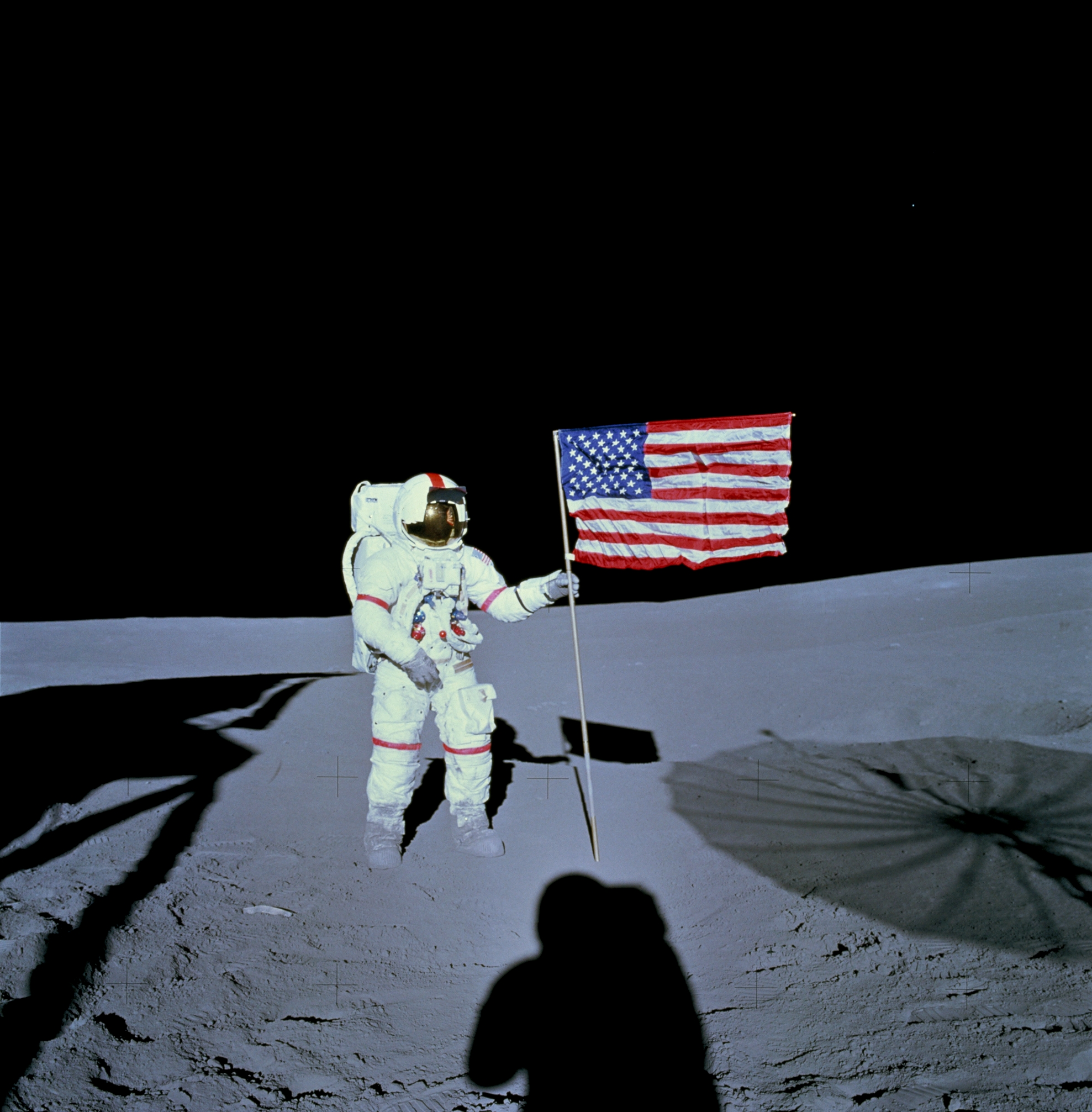
A crewed return to the moon represents a major milestone in human spaceflight and carries significant geopolitical, scientific, and economic implications. Successfully landing humans on the lunar surface before the end of 2026 would mark the first crewed mission since Apollo 17 in 1972—a gap of over 50 years. Beyond the symbolic achievement, such a landing would validate decades of planning and substantial government investment, while also carrying competitive weight in the broader space race. The market's low odds suggest few expect this symbolic threshold to be crossed so soon.
Key Factors
NASA's Artemis program, the primary U.S. initiative to return humans to the moon, has experienced significant schedule delays. Originally targeted for a 2024 crewed lunar landing, Artemis has been pushed to 2026 at the earliest, with many observers expecting further delays beyond that timeline. Technical challenges with the Space Launch System (SLS) rocket and Orion spacecraft, combined with the complexity of lunar landing operations, have compounded timeline uncertainty. International competitors, including China's lunar program and Russia's plans, have their own timelines that extend well into the late 2020s or beyond. The narrow window remaining in 2026 leaves minimal margin for additional technical setbacks, test delays, or unforeseen complications.
Outlook
The 4.3% probability essentially prices in a \"technical breakthrough\" scenario in which NASA successfully executes Artemis on an accelerated timeline with minimal complications. Developments that could shift this market upward include public announcements of concrete launch readiness, successful crewed test missions of Artemis systems, or major engineering breakthroughs addressing current bottlenecks. Conversely, additional delays to SLS, Orion, or lunar module development would likely push the probability lower. Market participants appear to view the 2026 target as aspirational rather than probable, reserving meaningful odds only for scenarios where current programs overcome substantial remaining obstacles within a compressed timeframe.