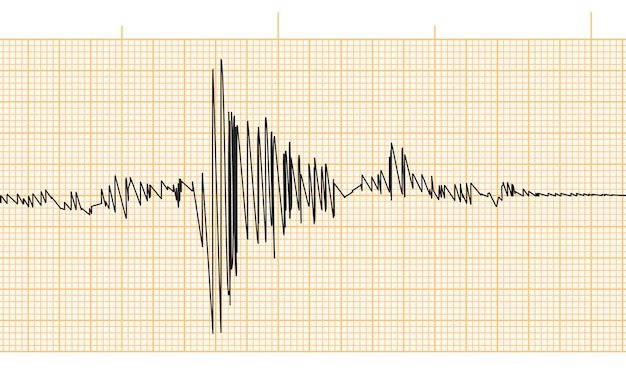
Market Overview
Prediction markets are currently assigning a 5% probability to the occurrence of a magnitude 10.0 or higher earthquake anywhere on Earth between December 8, 2025, and December 31, 2026. This represents a modest but meaningful tail-risk assessment, with $589,842 in trading volume indicating sustained interest in what would constitute one of the most catastrophic natural disasters in human history. The probability has remained stable at this level over the past 24 hours, suggesting a consensus view among market participants.
Why It Matters
A magnitude 10.0 earthquake would be unprecedented in the instrumental record. The largest earthquake ever recorded—the 1960 Great Chilean Earthquake—measured 9.5 on the Richter scale. An earthquake of magnitude 10.0 would represent roughly 32 times more energy release than the Chilean event and would likely trigger devastating tsunamis affecting multiple continents, along with catastrophic ground damage across a region spanning hundreds of miles. Understanding the market's assessment of such an extreme event provides insight into how communities and investors evaluate existential geological risks.
Key Factors
The 5% probability reflects several scientific considerations. Seismologists have identified no geological indicators suggesting conditions favorable for a magnitude 10.0 event in the near term. The Earth's largest subduction zones—where magnitude 9+ earthquakes are theoretically possible—show no unusual activity that would suggest imminent extreme events. Additionally, historical earthquake frequency data indicates that events of magnitude 10.0 or higher, if they occur at all, would be extraordinarily rare on multi-year timescales. The 5% figure likely incorporates both the inherent uncertainty in long-term seismic forecasting and a small probability assigned to unexpected geological scenarios or measurement revisions of future large earthquakes.
Outlook
The probability would likely shift materially only if seismic monitoring networks detected sustained unusual activity in major subduction zones or if a very large earthquake (9.5+) occurred and underwent magnitude revision upward. Conversely, the passage of 2026 without such an event would reinforce the view that magnitude 10.0 earthquakes remain far outside the range of typical annual risk. The market will ultimately resolve based on USGS earthquake data, with provisions for resolution delays if a qualifying event occurs near the market's end date but magnitude determination remains pending.