Market Overview
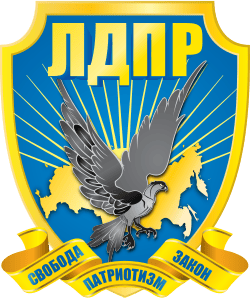
Prediction markets are currently pricing the LDPR's chances of winning the plurality of seats in Russia's next parliamentary election at 5.1%, with steady volume of $2.2 million suggesting moderate but consistent interest in this outcome. This low probability reflects the historical pattern of Russian parliamentary politics, where the LDPR has consistently held a secondary role in the State Duma despite its longevity as a registered political party since 1991.
Why It Matters
Russian parliamentary elections determine the composition of the State Duma and shape legislative priorities for a five-year term. The 2026 election represents the first major electoral test since Russia's full-scale invasion of Ukraine and subsequent geopolitical realignment. The outcome will signal the stability of Russia's political system and the durability of the current parliamentary coalition, which has historically been dominated by the pro-Kremlin United Russia party.
Key Factors
The LDPR's marginal probability reflects several structural realities. United Russia has consistently won the most seats in recent elections and maintains strong institutional advantages, including administrative support networks and media access. The LDPR, while remaining a registered party with parliamentary representation, has historically occupied a tertiary position behind United Russia and the Communist Party. The party's nationalist and populist positioning gives it a specific but limited electoral base. Additionally, Russian electoral rules, including mixed proportional and first-past-the-post voting systems, favor established parties with organizational infrastructure. Any significant realignment in Russian politics—such as a major economic or security crisis—could theoretically disrupt historical patterns, but current baseline conditions suggest continuity.
Outlook
For the LDPR's probability to materially increase, market participants would likely require evidence of substantial shifts in Russian political dynamics, such as major factional splits within United Russia, dramatic electoral fraud allegations affecting the leading party, or significant changes in voter sentiment. The current 5.1% pricing essentially prices the LDPR as an extremely unlikely but non-zero outcome, consistent with its established role as a permanent but secondary fixture in Russian politics.