Market Overview
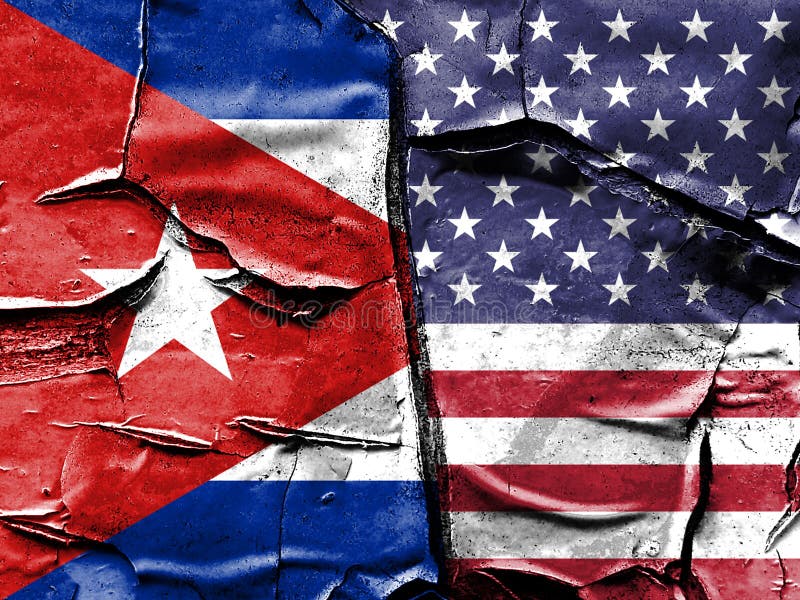
Prediction market traders are currently assigning a 26.5% probability to a U.S. military invasion of Cuba by the end of 2026, with the market showing stability over recent trading sessions. The market has attracted nearly $1.53 million in volume, indicating substantial trader interest in this geopolitical scenario despite its relatively low baseline probability. The definition of invasion—a military offensive intended to establish control over any portion of Cuban territory—sets a high threshold, distinguishing this from smaller military incursions or airstrikes.
Why It Matters
A U.S. invasion of Cuba would represent a dramatic escalation in Western Hemisphere geopolitics and mark a fundamental shift in post-Cold War regional relations. Such action would have sweeping implications for Latin American politics, U.S. foreign policy credibility, and global stability. The market's pricing reflects traders' assessment that while current conditions make invasion more plausible than historical baselines, conventional deterrents and diplomatic constraints still render such action unlikely within the 2026 timeframe.
Key Factors
Several considerations underpin the current odds. Recent years have seen elevated U.S.-Cuba tensions, including sanctions escalation, immigration policy disputes, and broader hemispheric competition with China and Russia expanding influence in the region. However, military invasion carries substantial costs: potential regional backlash, international condemnation, casualties, and resource commitments that would compete with other strategic priorities. The Biden administration has maintained a hostile but non-interventionist posture; potential future administrations represent a variable. Additionally, Cuba's military capabilities, though modest relative to U.S. forces, would generate meaningful resistance and humanitarian consequences that weigh against invasion scenarios in traders' assessments.
Outlook
Movement in this market would likely require either a major escalating incident between the U.S. and Cuba, explicit policy statements from incoming administrations signaling military action, or significant changes to regional security dynamics. Conversely, renewed diplomatic engagement or de-escalation would pressure odds downward. Traders currently appear to be pricing in heightened baseline tensions without viewing actual military invasion as probable, suggesting they view the scenario as possible but contingent on developments that have not yet materialized.