Market Overview
Prediction markets are currently pricing the probability of Iran losing control of Kharg Island by mid-2026 at 11.5%, with substantial trading volume of $1.9 million indicating meaningful engagement from market participants. The odds imply an 88.5% baseline expectation that Iran retains control of the island through the specified resolution date. The market has remained stable over the past 24 hours, suggesting no recent catalyst has shifted trader sentiment on this geopolitical question.
Why It Matters
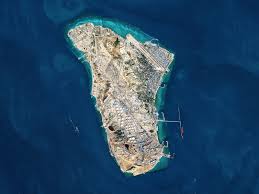
Kharg Island holds significant strategic and economic value in the Persian Gulf. As one of Iran's primary oil and natural gas export terminals, the island serves as critical infrastructure for Iranian energy revenues. Its location in the northern Persian Gulf also positions it as a potential flashpoint in broader regional tensions. A change of control would represent a substantial shift in the regional balance of power and would likely necessitate either sustained military action or a negotiated settlement between Iran and other regional or international actors.
Key Factors
The low probability assigned by markets reflects several reinforcing constraints. Iran maintains a substantial military presence on the island, making any seizure logistically challenging and requiring either prolonged conflict or explicit agreement by Tehran. No current diplomatic framework appears positioned to facilitate a control transfer through negotiation, and the market's resolution criteria explicitly require actual establishment of control—not merely temporary disruption, bombardment, or special operations. Additionally, the relatively short timeframe of approximately 18 months from the current date limits scenarios in which such a shift could occur. Regional conflicts, while persistent, have not escalated to the point of threatening Iranian territorial control of major infrastructure islands.
Outlook
For the probability to shift materially upward, markets would likely need to price in either a significant regional escalation involving direct military action against Iranian holdings, or a diplomatic breakthrough leading to a formal control transfer agreement followed by actual implementation. Current market pricing suggests traders view both scenarios as comparatively unlikely within the specified timeframe. Developments such as major shifts in international sanctions policy, changes in regional military posture, or unexpected diplomatic initiatives could alter assessments, but absent such catalysts, the market appears settled on Iran's retention of the island through June 2026.