Market Overview
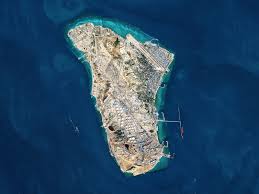
Prediction markets are pricing the loss of Iranian control over Kharg Island at 11.5%, with substantial volume of $1.9 million traded since the market's inception. The probability has remained stable over the past 24 hours, indicating no sharp repricing based on recent developments. Kharg Island, located in the Persian Gulf approximately 24 kilometers from the Iranian mainland, is one of the world's largest crude oil export terminals and a critical strategic asset for Iran's economy. The low probability assigned by traders suggests widespread skepticism that any actor could establish effective control over the island within the 18-month timeframe through June 2026.
Why It Matters
Kharg Island's status reflects broader geopolitical tensions in the Persian Gulf and Iran's vulnerability to external pressure. The island has been a target of regional actors and external powers in past conflicts—notably during the Iran-Iraq War when Iraq conducted sustained attacks on the facility. Control of the island would represent a significant blow to Iran's oil export capacity and financial resources, making it a potential flashpoint in any escalation scenario. The market's assessment thus carries implications for energy prices, regional stability assessments, and the credibility of various military scenarios involving Iran.
Key Factors
Several structural elements support the market's skepticism about Iranian loss of control. First, Kharg Island lies within Iran's exclusive economic zone and relatively close to the mainland, providing Iran with significant defensive advantages and the ability to rapidly reinforce the facility. Second, establishing \"actual control\" under the market's strict definition requires more than temporary military action—it demands sustained governmental or military administration recognized as legitimate. This high bar means that even a successful raid or temporary seizure would not resolve the market to \"Yes,\" protecting against volatile price swings from isolated incidents. Third, the current geopolitical environment, while tense, has not produced active military operations specifically targeting Iranian territory on this scale. The regional balance of power, though contested, has largely stabilized around Iranian ability to maintain control of domestic territory despite economic pressures and sanctions.
Outlook
For the market to shift meaningfully upward, several developments would be necessary: either a major military escalation directly targeting Iranian territory with the explicit goal of permanent territorial seizure, a negotiated settlement in which Iran cedes the island, or a significant collapse in Iran's military capacity to defend its assets. None of these scenarios appears imminent as of early 2026. Traders will likely monitor regional security developments, any escalation in maritime tensions, and diplomatic movements that might signal broader conflict. However, the stability of the probability over recent periods suggests market participants view the baseline scenario—continued Iranian control—as strongly favored through mid-2026, reflecting both the military realities of defending an island close to Iran's coast and the high bar set by the market's resolution criteria.