Market Overview
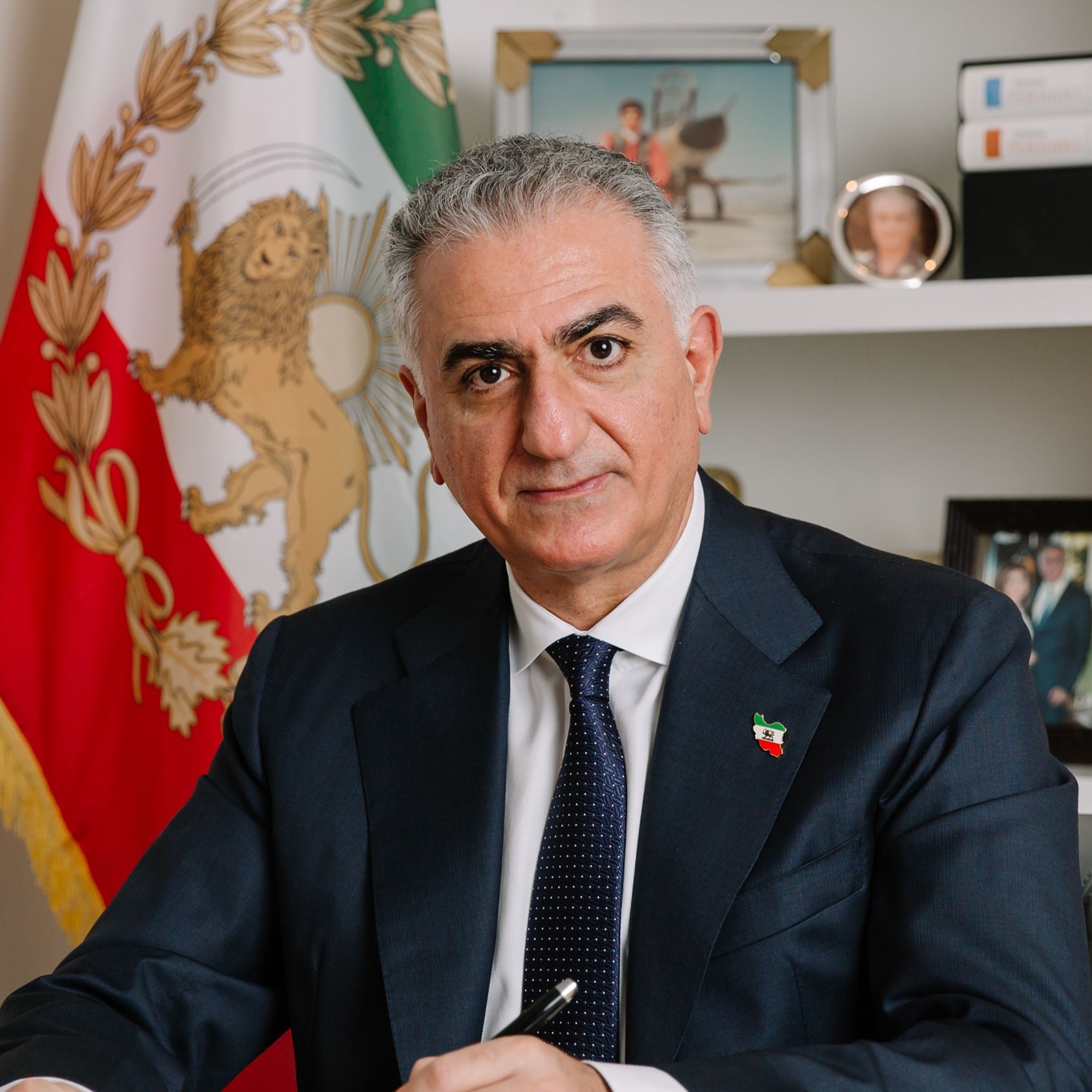
Prediction markets are currently assigning just a 5.5% probability to Reza Pahlavi, the exiled son of Iran's last shah, entering Iranian territory within the next 18 months. The market has maintained this probability level over the past day despite generating $3.6 million in trading volume, indicating active participant engagement with a question that remains decidedly long-shot. The stability of the odds suggests traders have largely settled on a consensus view: a return by Iran's most prominent royalist opposition figure remains extraordinarily unlikely under current geopolitical conditions.
Why It Matters
A physical return by Pahlavi would represent a seismic shift in Iranian politics and regional dynamics. The exiled prince, based in the United States, has long served as a symbolic figurehead for anti-regime Iranians and those seeking monarchical restoration. Any visit to Iran would signal either a dramatic negotiation between the Islamic Republic and opposition forces, a collapse in regime control sufficient to permit safe passage, or a high-stakes political gambit with severe personal risk. The question carries implications extending far beyond a single individual's travel plans, touching on potential regime stability, opposition movement evolution, and broader Middle Eastern realignment.
Key Factors Driving Low Probability
Several structural factors explain the market's pessimistic assessment. The Iranian regime has shown no indication of negotiating with or permitting the return of prominent monarchist opposition figures, viewing them as existential threats to the Islamic Republic's legitimacy. Pahlavi would face arrest or worse upon entry, barring a fundamental shift in state power. Additionally, the 18-month timeframe is relatively compressed for the kind of major political transformation that would be prerequisite to such a visit. Ongoing regime entrenchment, despite periodic unrest like the 2022-2023 protests following Mahsa Amini's death, has not produced conditions conducive to the kind of power vacuum or negotiated settlement that might enable Pahlavi's safe return. The market's 5.5% allocation appears to price in only tail-risk scenarios involving sudden regime collapse or unprecedented diplomatic breakthrough.
Outlook
For the probability to shift meaningfully higher, traders would likely require signals of internal regime fracture, military coup planning, or high-level diplomatic negotiations between the U.S. and Iran addressing opposition figure status—all developments that currently show minimal signs of emerging. Conversely, further entrenchment of regime control or explicit public statements by Iranian leadership reaffirming opposition exclusion could push odds even lower. The substantial trading volume suggests the market remains a venue for participants holding strong views on Iran's political trajectory, even if the consensus tilts decisively toward the status quo. Developments in broader U.S.-Iran relations, succession questions within Iran's leadership, or major new protest movements could shift trader sentiment, but absent such catalysts, the probability appears likely to remain in the low single digits through mid-2026.