Market Overview
Prediction market traders are pricing the odds of Iran losing control of Kharg Island by June 30, 2026, at just 11.5%, with trading volume of approximately $1.9 million indicating meaningful participation in the question. The stable probability over the past 24 hours suggests the market has settled on a consensus view that, while not risk-free, a change in control within the next 18 months remains a low-probability event. The market's definition requires actual establishment of control by another state or occupying force—not temporary military action, bombardment, or announcements—setting a high bar for resolution to \"Yes.\"
Why It Matters
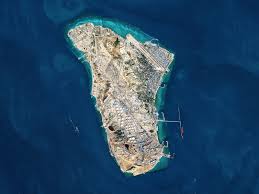
Kharg Island represents one of Iran's most critical strategic assets. Located in the Persian Gulf approximately 24 kilometers from the Iranian mainland, it is central to Iran's oil export infrastructure and accounts for a substantial portion of the nation's crude oil loading capacity. Control of the island directly affects Iran's ability to generate revenue from petroleum exports, making it a target of potential military concern in scenarios involving regional conflict escalation. For markets and policymakers, the question of Kharg Island's security signals assessments of broader regional stability and the probability of military action that could disrupt global energy supplies.
Key Factors
The 11.5% probability reflects several underlying dynamics. First, Iran maintains substantial naval and military presence on and around Kharg Island, including air defenses and naval assets, which raise the threshold for an external actor to establish lasting control. Second, while regional tensions remain elevated—particularly given conflicts in Iraq, Syria, and maritime disputes in the Gulf—no military power currently demonstrates both the capability and geopolitical rationale to mount a sustained operation to seize the island within the specified timeframe. Third, any scenario requiring a change of control sufficient to satisfy the market's strict definition—actual governmental or military control established by another state, not temporary disruption—would likely require either a direct naval invasion by a major power or a negotiated agreement following larger regional conflict, both relatively low-probability events in a 18-month window.
Outlook
The market's pricing reflects prudent skepticism toward scenarios requiring sustained military occupation or control transfer. For the probability to shift materially higher, traders would likely need evidence of imminent military escalation involving actors capable of projecting power in the Persian Gulf, explicit military planning targeting the island, or diplomatic developments signaling a negotiated territorial change. Conversely, de-escalation in broader Middle Eastern conflicts or strengthened Iranian defensive capabilities around the island could reinforce the current low probability. Market participants should monitor regional military posturing, naval activities near the Strait of Hormuz, and international statements regarding Persian Gulf security as potential triggers for reassessment.