Market Overview
Prediction markets are assessing the likelihood of a significant geopolitical shift in the Persian Gulf, with traders pricing an 11.5% probability that Iran will cede control of Kharg Island by mid-2026. The market has remained stable at this level over the past 24 hours, with $1.9 million in trading volume, suggesting a consensus view among participants that a change in control remains a low-probability event despite the volatile regional environment.
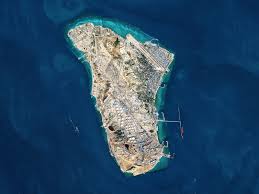
Kharg Island, located in the Persian Gulf approximately 25 kilometers from Iran's coast, is one of the world's largest oil and gas export terminals and a critical component of Iran's energy infrastructure. The island serves as a major hub for Iranian crude oil exports and represents significant strategic and economic value. The specificity of the market's resolution criteria—requiring actual, established control rather than temporary military actions, raids, or bombardment—reflects the high bar for what would constitute a genuine loss of Iranian sovereignty.
Why It Matters
The status of Kharg Island carries implications far beyond regional politics, as disruptions to Iranian oil exports can affect global energy markets. A successful seizure or occupation of the island would represent a major military and political defeat for Iran, potentially reshaping Middle Eastern power dynamics. For traders and analysts, this market serves as a barometer for expectations about the trajectory of regional conflict, the likelihood of military escalation involving Iran's most critical infrastructure, and confidence in the persistence of current Iranian territorial control.
Key Factors
Several factors are likely influencing the current 11.5% probability assessment. First, Kharg Island's geographic position and Iran's military presence make it defensible against most conventional attacks, though not invulnerable. Second, the resolution criteria require not merely military action but sustained, established control by another party—a threshold that demands either a negotiated transfer or decisive military victory followed by occupation and administration. Third, while regional tensions remain elevated, no immediate military campaign targeting the island is currently apparent, and international pressure typically restricts such acquisitions outside of active major wars. Fourth, the timeframe of 18 months provides a relatively compressed window for such a dramatic shift in territorial control.
The low probability also reflects the international legal and diplomatic costs of seizing Iranian territory. Even in scenarios involving military conflict with Iran, occupying powers would face significant pressure to relinquish control or face broader international isolation. Negotiations or settlements that could result in Iran voluntarily ceding the island remain highly speculative and would require extraordinary circumstances.
Outlook
For this market probability to shift materially upward, significant developments would be required: an escalation of regional military conflict to a scale involving major Iranian territory, a coalition military operation specifically targeting the island, or—less likely—a negotiated settlement where Iran agrees to transfer control. Without such catalysts, the market's current assessment of an 11.5% probability suggests traders view Iranian retention of Kharg Island as the heavily favored outcome through June 2026. Traders monitoring this market should watch for signals of broader regional escalation, any statements from regional or international powers regarding Kharg Island specifically, and changes in the geopolitical risk environment affecting the Persian Gulf.