Market Overview
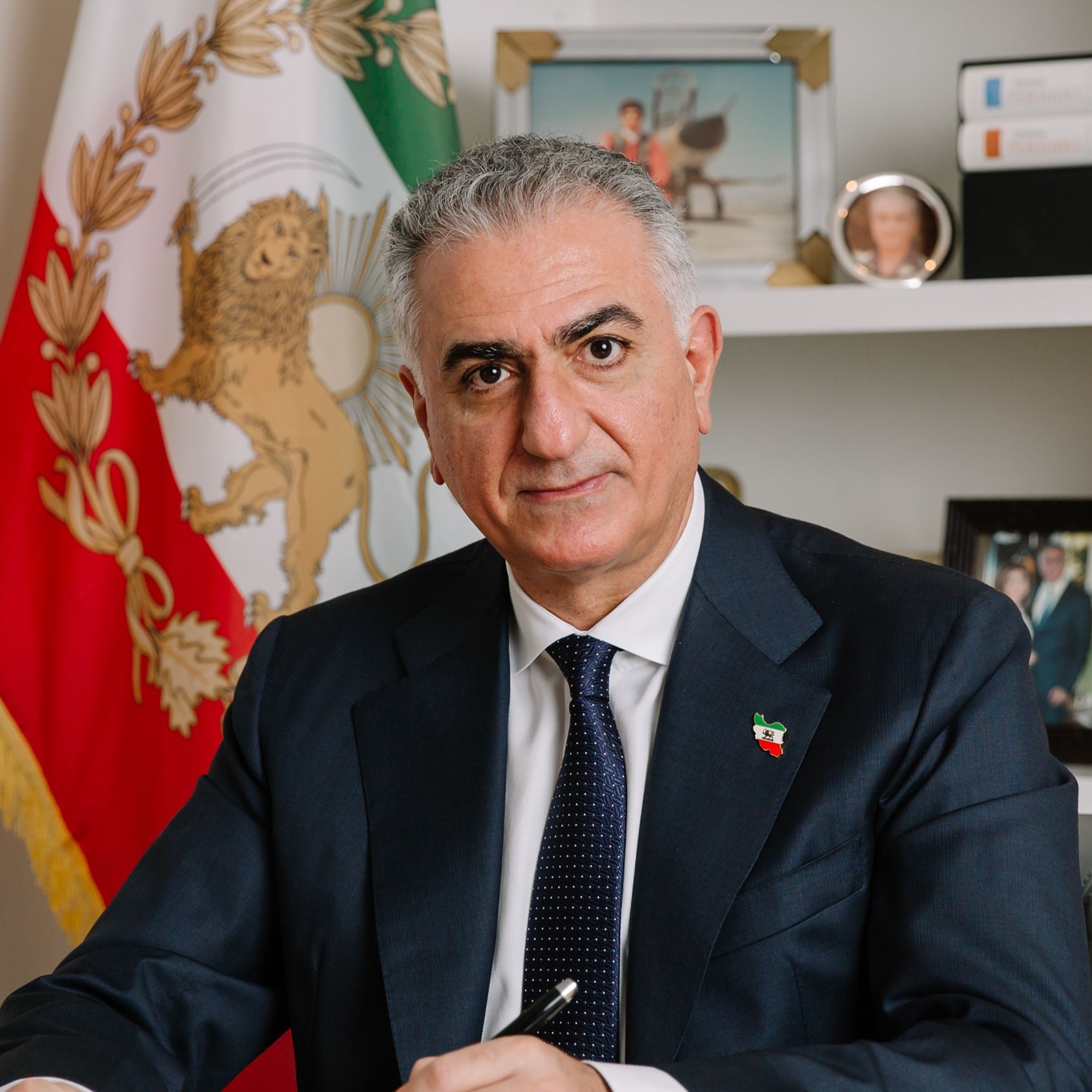
Prediction markets are pricing a 5.5% chance that Reza Pahlavi, the son of Iran's last shah and a prominent opposition figure, will physically enter Iranian territory by the end of June 2026. The market has drawn substantial activity with over $3.5 million in total volume, indicating significant interest in the question despite the low probability assigned. The stable odds over the past 24 hours suggest the market has settled on a consensus view reflecting current geopolitical conditions rather than reacting to breaking news.
Why It Matters
A return by Pahlavi would represent a significant development in Iran's internal politics and the broader opposition movement. Pahlavi has lived in exile for decades and has cultivated a following among Iranian diaspora communities and reform-minded Iranians seeking alternatives to the Islamic Republic's governance. Any attempt to enter Iran would carry enormous symbolic weight for opposition movements and could signal a major shift in either Pahlavi's strategic calculus or Iran's tolerance for opposition figures. Conversely, his continued absence underscores the regime's constraints on dissent and the limited space for alternative political voices operating inside Iranian borders.
Key Factors
Several structural barriers explain the low probability. The Iranian government views Pahlavi as a threat to regime legitimacy and has shown no indication of permitting his return; re-entry would likely result in arrest on charges related to his royalist opposition activities. The legal framework governing Iran's treatment of exiled opposition figures provides no basis for confidence in his safety. Additionally, Pahlavi himself has not publicly signaled imminent plans for such a visit, and any unauthorized entry would require either a dramatic shift in Tehran's posture or an extremely high-risk covert operation. The 18-month timeframe to June 2026 is relatively compressed for such a momentous political shift, further constraining the probability.
Outlook
The market's 5.5% pricing reflects a base-case scenario of continued exile with remote odds assigned to unexpected developments—such as a political upheaval weakening the current regime, international mediation efforts, or a strategic decision by Pahlavi to take unprecedented risks. For the probability to move materially higher, observers would likely need to see credible reporting of either a significant shift in Iran's internal politics or explicit signals from Pahlavi or his representatives indicating concrete planning for a return. The stability of these odds suggests market participants see little near-term catalyst for such a change.