Market Overview
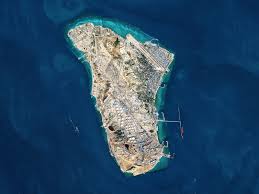
Prediction markets are pricing a modest 10.5% chance that Kharg Island—Iran's largest and most important crude oil export terminal—will no longer be under Iranian control by the end of May 2026. The probability has ticked down slightly from 11.5% a day earlier, suggesting marginal decline in near-term conflict escalation expectations. With over $3 million in volume, the market reflects serious attention from traders analyzing geopolitical risk in the Persian Gulf.
Why It Matters
Kharg Island is among the world's most critical oil infrastructure assets, handling roughly 90% of Iran's crude exports before international sanctions and serving as a symbol of national sovereignty in the region. The resolution criteria explicitly demand actual control—not temporary military action, bombardment, or claims—making this a high bar that requires sustained occupation by another state or internationally backed authority. Any change in control would signal either a major regional military escalation or a negotiated settlement to an existing conflict, with significant implications for global energy markets and geopolitical stability.
Key Factors
The 10.5% probability reflects several overlapping considerations. First, while Iran-Israel tensions have intensified in recent years and the U.S. maintains naval presence in the Gulf, no actor currently has demonstrated capacity or stated intention to seize and hold the island. The United States, though involved in regional affairs, would face significant international and domestic constraints on such an action. Second, any military seizure would require not only capturing the island but establishing durable control, a far higher threshold than temporary operations. Third, the market's assessment may factor in low probability scenarios involving negotiated settlement of broader conflicts, though such outcomes remain speculative. The timeframe through May 2026—roughly 18 months from present—further constrains the window for such a dramatic shift in control.
Outlook
For the market to move substantially higher, traders would likely need to see either direct military escalation targeting the island, a credible announcement of negotiated settlement involving territorial transfer, or a major shift in regional power dynamics. Developments such as broader Iran-Israel conflict, U.S. policy changes toward Iran, or multilateral diplomatic initiatives could move odds. Conversely, de-escalation of Gulf tensions or stabilization of Iran's regional position would likely push probabilities lower. The current 10.5% level suggests markets view maintenance of Iranian control as the base case over the next 18 months, with loss of control representing a tail risk scenario requiring significant geopolitical disruption.