Market Overview
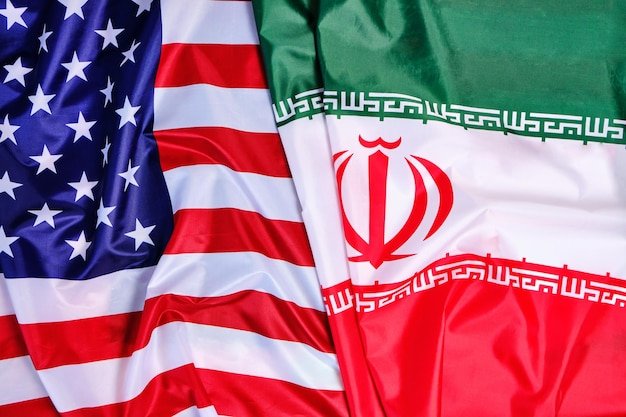
Prediction markets currently assign a 2.6% probability to the collapse or overthrow of Iran's Islamic Republic by May 31, 2026. With $12.4 million in volume and stable odds over the past 24 hours, the market reflects a consensus view that regime change remains a tail-risk event rather than a base-case scenario within the 18-month timeframe. The definition of collapse is appropriately stringent, requiring not merely political succession or reform but the dissolution of core state structures—the Supreme Leader's office, Guardian Council, and IRGC control—or replacement by a fundamentally different governing system. Partial territorial loss or opposition movements do not meet the threshold.
Why It Matters
Iran's political future carries significant geopolitical weight, influencing regional stability, nuclear negotiations, and international relations across the Middle East. Markets pricing regime collapse at under 3% suggest that even amid documented civil unrest, factional tensions within the regime, and widespread public dissatisfaction, traders and forecasters assess the probability of total systemic breakdown within 18 months as remote. This reflects the Islamic Republic's historical track record: it has weathered the 2009 Green Movement, periodic sanctions regimes, economic crises, and ongoing protests without fundamental institutional collapse. The distinction between unrest and regime failure is critical to understanding why current probability remains depressed.
Key Factors
Several structural factors support the low probability assessment. First, the Iranian security apparatus—particularly the IRGC and internal security forces—has demonstrated consistent capacity to suppress large-scale mobilization and prevent unified opposition movements from coordinating across regions. Second, factionalism within the regime, while real, has historically been managed through consensus-building among elites rather than resolved through systemic rupture. Third, no credible alternative governing coalition with capacity to seize power and command legitimacy has emerged; exile groups lack domestic organizational infrastructure, and opposition movements remain fragmented. Fourth, the regime maintains control over state institutions, media, and coercive apparatus necessary to enforce compliance. Economic hardship and youth unemployment, while genuine grievances, have not produced conditions historically sufficient to trigger state collapse absent external intervention or complete elite defection—neither of which appears imminent.
Outlook
For the probability to move materially higher, one would need evidence of either rapid elite fracturing (splits within the Revolutionary Guards or clerical hierarchy), a major external military intervention, or unprecedented coordination among opposition factions with demonstrated organizational capacity. Short of these scenarios, the market's equilibrium near 2.6% is likely to persist. Traders should monitor developments in succession politics around the Supreme Leader, economic indicators driving potential social unrest, and any signals of institutional strain within security forces. However, the structural durability of the regime and absence of imminent catalysts suggest the tail-risk pricing is appropriately conservative.