Market Overview
Prediction market traders are currently assigning a 22.5% probability to a US-Iran permanent peace deal by the end of May 2026—a timeframe of approximately 16 months from the market's assessment date. With nearly $10 million in trading volume, this represents one of the more actively traded geopolitical outcomes, indicating substantial investor interest in the bilateral relationship. The stable probability over the past 24 hours suggests the market has settled into an equilibrium view rather than reacting to breaking developments.
Why It Matters
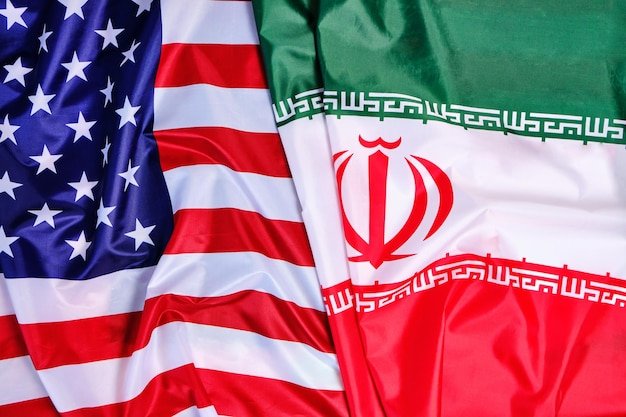
A permanent peace agreement between the United States and Iran would represent a historic resolution to one of the world's most consequential geopolitical conflicts, with implications extending across Middle Eastern stability, global energy markets, and the architecture of international diplomacy. The resolution criteria are notably stringent—the market will only settle \"Yes\" on a formally signed or jointly confirmed permanent agreement explicitly ending military hostilities, excluding temporary ceasefires or negotiation announcements. This high bar reflects the distinction between diplomatic progress and fundamental structural resolution.
Key Factors
The 22.5% probability incorporates several crosscurrents. Historical precedent suggests that US-Iran negotiations move slowly and face domestic political opposition in both countries; the collapse of the Joint Comprehensive Plan of Action in 2018 and subsequent escalations demonstrate the fragility of agreements between the two states. However, the timeframe extends well into 2026, allowing for potential shifts in US political leadership and regional conditions that could create negotiating opportunities. Recent regional dynamics—including evolving threats in the Middle East and potential changes in Iranian leadership or US administration priorities—create both risks and openings. The stringent definition of \"permanent\" in the market's criteria means that any agreement would need to go substantially beyond confidence-building measures or phased arrangements, setting a high threshold that most analysts view as unlikely within 16 months.
Outlook
For the probability to move materially higher, traders would likely need to see concrete signs of sustained diplomatic engagement, meaningful concessions from either side, or a major shift in regional or domestic political circumstances that creates space for negotiation. Conversely, any escalation in military incidents, sanctions expansions, or hardening of rhetoric from either government could push the probability lower. The current 22.5% reading suggests markets view a permanent peace deal as a tail-risk event—possible but requiring significant departures from the current trajectory—rather than a base-case scenario.