Market Overview
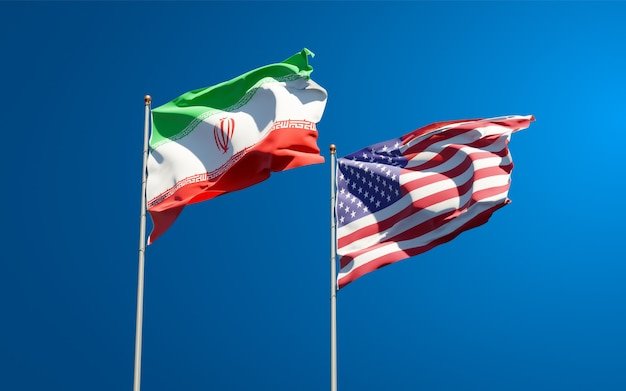
Prediction markets are pricing a 9.6% probability that Iran will possess a confirmed nuclear weapon by December 31, 2026—a timeframe of approximately two years. The market has maintained this level consistently over the past 24 hours, with nearly $577,000 in trading volume, suggesting a degree of stability in participant expectations. This probability implies that traders assign roughly a 90% chance Iran will not have acquired or declared nuclear weapons capability within this narrow window, despite ongoing tensions in the Middle East and longstanding concerns about Iranian nuclear advancement.
Why It Matters
Iranian nuclear capability would represent one of the most significant geopolitical shifts in the Middle East in decades, with implications for regional security, international non-proliferation frameworks, and U.S. foreign policy. The resolution criteria—requiring \"credible\" official confirmation from international nuclear agencies, Iranian government statements, or established news sources—sets a high evidentiary bar. A sudden Iranian nuclear declaration would likely trigger immediate international responses, market volatility across multiple asset classes, and potential military escalation scenarios. Understanding how prediction markets assess this tail risk provides insight into how professional participants evaluate low-probability, high-impact scenarios.
Key Factors Driving the Probability
The 9.6% assessment reflects several competing dynamics. On one hand, Iran's nuclear program has advanced significantly, with enriched uranium stockpiles and technical capabilities expanding over recent years, particularly following the 2018 U.S. withdrawal from the Joint Comprehensive Plan of Action (JCPOA). Technical analysts debate whether Iran could complete weapons development within two years if it made an unambiguous commitment to do so. However, the low single-digit probability suggests markets weight heavily the obstacles: International Atomic Energy Agency monitoring continues, regional military threats from Israel and U.S. forces create deterrence, and Iranian leadership has maintained official positions denying weapons intent. The compressed timeframe—only 24 months—also significantly reduces the probability, as weaponization programs typically require longer development and testing periods. Additionally, any Iranian declaration would represent a dramatic policy shift with unpredictable domestic and international costs.
Outlook
Movement in this market would likely be triggered by major developments: verifiable evidence of accelerated weaponization efforts, explicit Iranian government statements changing its nuclear doctrine, or dramatic escalations in regional conflict creating conditions for a strategic pivot. Conversely, renewal of diplomatic negotiations or strengthened inspections regimes could push probabilities lower. The current 9.6% level reflects baseline geopolitical risk—acknowledging non-zero chance while assigning it to the tail of outcome distributions. Traders monitoring this market should watch for IAEA reports, Iranian leadership statements, and broader Middle East security developments, though the two-year resolution window constrains how much fundamental change could plausibly occur.