Market Overview
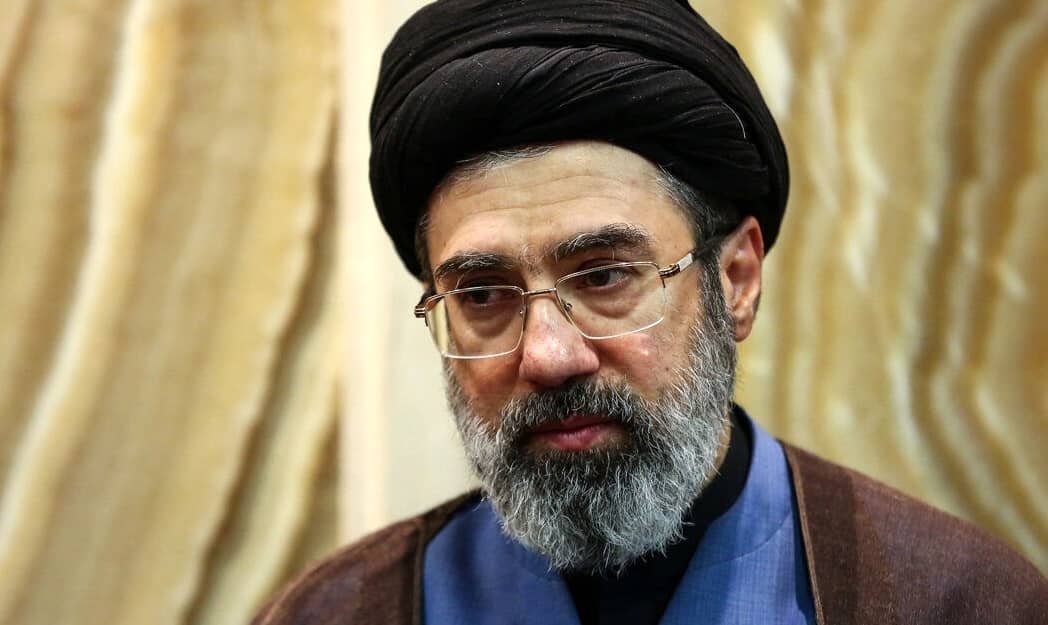
Prediction market participants are pricing a roughly one-in-three chance that Mojtaba Khamenei will cease to be Iran's de facto leader before the end of 2024, with the market holding steady at 33.5% probability over the past day despite substantial trading volume of over $2 million. The market's resolution criteria are deliberately broad, encompassing removal from power, detention, or any circumstance that prevents Khamenei from acting as de facto leader—including announced resignations regardless of implementation timeline. This moderate odds assignment reflects genuine uncertainty about Iran's political trajectory rather than conviction in an imminent transition.
Why It Matters
The question of Iranian leadership succession carries significant implications for regional stability, nuclear diplomacy, and U.S. foreign policy. Mojtaba Khamenei, the Supreme Leader's son, has been widely understood as the presumed heir to Iran's highest authority, though his succession has never been formally confirmed. A change in de facto leadership before year-end would represent either an unexpected acceleration of the succession process or a dramatic political upheaval. Market participants appear to be weighing both routine succession scenarios and more disruptive possibilities, with the 33.5% probability suggesting meaningful doubt about continuity despite the incumbent's apparent consolidation of power.
Key Factors
Several dynamics appear to be driving the market's current assessment. The Supreme Leader's advanced age—he was 85 in 2023—creates genuine succession uncertainty, though his current health status remains opaque to outside observers. Regional tensions, including potential escalations involving Israel, the United States, and proxy actors, introduce volatility that could precipitate unexpected power transitions. Domestically, Iran's clerical establishment operates through consensus mechanisms that could theoretically shift, and economic pressures continue to mount. The market's moderate rather than elevated odds suggest skeptics believe institutional momentum favors continuity, while a substantial minority sees material risk of disruption within the defined timeframe.
Outlook
Movements in this market will likely track three categories of developments: official statements regarding the Supreme Leader's health or succession plans; significant regional security escalations that could destabilize the regime; and signals from Iran's clerical leadership about political transitions. The current 33.5% probability represents a plausible middle ground—high enough to acknowledge real succession pressures and external risks, but low enough to reflect the establishment's demonstrated capacity to maintain institutional control. Absent major developments in the coming months, the market may remain range-bound as participants balance structural succession pressures against the difficulty of predicting major political ruptures with precision.