Market Overview
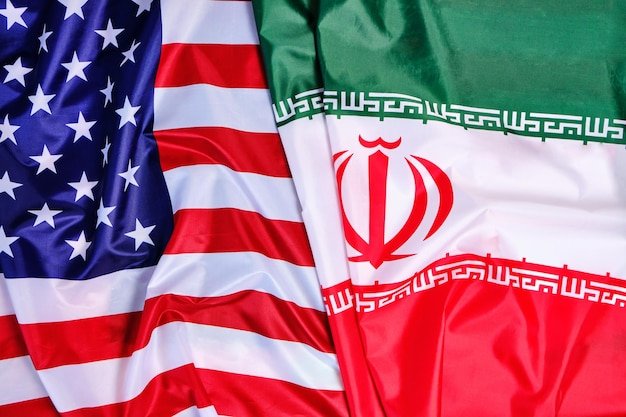
Prediction markets are pricing a roughly one-in-three chance that the United States and Iran will reach an official nuclear agreement within the next 18 months. At 31.5% probability, the market implies meaningful but not dominant confidence in a negotiated settlement on Iranian nuclear research and weapons development. The relatively stable probability over the past 24 hours, paired with substantial trading volume of $1.46 million, suggests this reflects genuine market conviction rather than reactive speculation. The resolution criteria are broad enough to encompass both bilateral agreements and multilateral frameworks similar to the 2015 Joint Comprehensive Plan of Action (JCPOA), provided they include both nations as signatories.
Why It Matters
A US-Iran nuclear agreement would rank among the most consequential geopolitical developments in years, potentially easing Middle Eastern tensions, reshaping energy markets, and altering global non-proliferation dynamics. The JCPOA's collapse under the Trump administration in 2018 and subsequent escalation of Iranian nuclear activities have left the parties far apart on core issues—sanctions relief, nuclear enrichment limits, and inspection regimes. The current timeframe—spanning roughly 18 months and crossing into a new US presidential term—encompasses a critical window where diplomatic momentum or breakdown could occur. For markets and policymakers alike, the probability reflects genuine uncertainty about whether either side has sufficient political capital or incentive to move toward compromise.
Key Factors
Several structural factors inform the 31.5% assessment. First, the incoming US administration's approach to Iran policy will be decisive; historical precedent shows sharp policy reversals are possible, and campaign rhetoric and early appointments are still crystallizing. Second, Iran's domestic political constraints—including hardline opposition to concessions and economic hardship—limit negotiating flexibility on both sides. Third, the current escalation spiral, with Iranian nuclear activities advancing and regional tensions high, creates pressure that could either drive negotiations or entrench positions further. Fourth, the involvement of other parties (particularly the EU and potentially Russia and China) adds complexity but also potential mediating influence. Finally, the resolution bar—merely reaching an announcement of mutual agreement—is notably lower than actual implementation, which may slightly elevate the probability compared to markets pricing full, functioning deals.
Outlook
The 31.5% probability suggests markets view a deal as possible but not probable, requiring meaningful shifts in incentives or diplomatic circumstances. Key developments that could increase odds include a change in US administration stance, sanctions relief proposals gaining traction, or international mediation breakthroughs. Conversely, further Iranian nuclear advances, escalating regional conflict, or hardening of either nation's red lines could push probability lower. The relatively stable odds despite geopolitical volatility hint that markets are currently pricing a baseline assessment of structural difficulty—neither expecting imminent breakthrough nor ruling it out entirely. Close monitoring of US policy appointments, Iranian internal politics, and any quiet diplomatic channels will be essential for traders positioning ahead of potential shifts.